Alphabet Animals in Spanish: Aprende la Abecedaria con Animales 🐝🐯
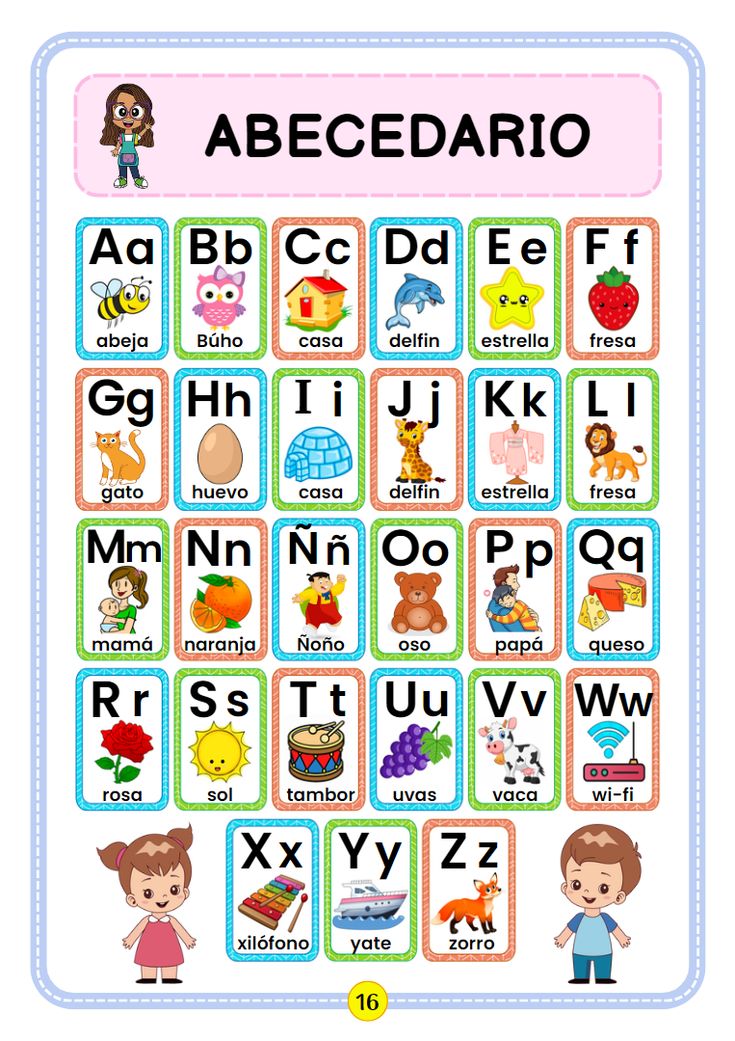
Exploring the alphabet is a fundamental step in language acquisition, and doing so with alphabet animals in Spanish adds a vibrant layer of cultural and biological context. This method transforms a simple sequence of letters into a vivid menagerie, making the learning process memorable and engaging for both children and adult language enthusiasts. Each letter serves as a gateway to discovering a new creature, from the playful Avestruz to the majestic Zorro, grounding abstract phonetics in tangible, living forms.
The Foundation: Letters and Animals United
The synergy between the Spanish alphabet and its native fauna creates a powerful educational tool. Unlike rote memorization, associating letters with animals provides context, imagery, and a story that the brain can easily retain. For instance, the letter "Ele" (L) immediately conjures the image of the León, while "Equis" (X) might evoke the unique Xoloitzcuintli, the hairless dog sacred in Mexican culture. This technique leverages visual and auditory learning, solidifying the sound and shape of each letter within a meaningful framework that is instantly recognizable.
Creatures for the First Letters
The initial letters of the Spanish alphabet lend themselves to some of the most iconic animals, providing a strong starting point for learners. These familiar creatures act as anchor points, making the early stages of the alphabet feel intuitive and accessible. The connection is often straightforward, based on the animal's name beginning with the corresponding letter sound.


- Avestruz (Ostrich)
- Burro (Donkey)
- Caballo (Horse)
- Delfín (Dolphin)
- Elefante (Elephant)
- Gorila (Gorilla)
Navigating the Middle: Tricky and Unique Sounds
As the alphabet progresses, the challenge shifts to letters with distinct sounds or limited vocabulary matches. The Spanish "Ge" and "Jota" present particular difficulties, as their pronunciations differ significantly from their English counterparts. Selecting animals for "Equis" (X) or "Zeta" (Z) requires a bit more creativity, moving beyond common pets to embrace unique or culturally significant species. This section highlights the linguistic agility required to master these specific letters.
| Letter (Spanish Name) | Phonetic Sound | Example Animal |
|---|---|---|
| Equis (X) | ks / s | Xilófono (Xylophone - representing the X sound) |
| Zeta (Z) | θ / s | Zorro (Fox) |
| Jota (J) | x / h | Jaguar |
| Ge / Ce (G / C) | g / k | Gato (Cat) / Camello (Camel) |
Focusing on "Ele" and "Ere"
The letters "Ele" (L) and "Ere" (R) are sonically rich and appear in a vast number of Spanish words, making them vital to master. The association with the León (Lion) and Rey (King, though not an animal, the link is often made) or Rana (Frog) provides a dual-layered learning experience. Practicing the rolling "R" sound while thinking of a Rana jumping through the rainforest reinforces the articulation in a fun, biological context. This connection helps learners move beyond the mechanical alphabet toward fluid, natural speech.


The Final Stretch: Emphasis and Heritage
The last letters of the Spanish alphabet, particularly "O" and "U," complete the circle, often pointing to animals that are crucial to the region's biodiversity and heritage. The focus here is on pronunciation clarity, ensuring that "OH" is pure and "OO" is distinct. Furthermore, highlighting animals like the Oso Panda (Giant Panda) or the Unicornio (Unicorn, a mythical creature) allows for a discussion on conservation and imagination, adding depth to the language lesson. This final section underscores the cultural weight carried by these letters and their associated creatures.
Ultimately, mastering the alphabet animals in Spanish is more than just learning the ABCs; it is an entry point into the language's rhythm, cultural heritage, and the natural world. By connecting each letter to a living being, the learning process becomes a journey of discovery, fostering a deeper appreciation for the language that extends far beyond simple memorization.


Related Articles

Alphabet Worksheets in Spanish: Free Printables for Kids - Aprende las Letras fácilmente
For educators and parents navigating bilingual education, alphabet worksheets in Spanish represent a foundational tool. These structured exercises bridge the...
Aprende el Alfabeto en Español con Imágenes: Guía Visual para Niños
Learning the alphabet with pictures in Spanish offers a foundational gateway to fluency, transforming abstract symbols into tangible objects and ideas. This...
Aprende el Alfabeto Español: Imprimibles de Letras para Niños
Mastering the Spanish alphabet is the essential first step for anyone eager to learn the language, and utilizing alphabet letters in Spanish printables offers...

Aprende el Alfabeto en Español con Imágenes 📚🎨
Learning the alphabet in Spanish is the essential first step for anyone beginning their journey with the language. While the foundation appears familiar...

Hojas de Trabajo del Alfabeto en Español: Aprende y Practica con Diversión
Mastering the Spanish alphabet is the essential first step for anyone beginning their journey to fluency, and a dedicated alphabet worksheet in Spanish...

Aprende el Alfabeto y los Números en Español: Guía Rápida y Fácil
Understanding alphabet numbers in Spanish opens a window into the foundational structure of the language, particularly for learners tackling initial...