Alphabet Worksheets in Spanish: Free Printables for Kids - Aprende las Letras fácilmente
For educators and parents navigating bilingual education, alphabet worksheets in Spanish represent a foundational tool. These structured exercises bridge the gap between a child's native language and new linguistic concepts, transforming abstract symbols into tangible learning opportunities. Mastering the Spanish alphabet is the critical first step toward fluency, and targeted worksheets make this journey systematic and effective.
Why Spanish Alphabet Worksheets Matter for Early Learners
The acquisition of literacy in a second language hinges on mastering its elemental building blocks. Spanish worksheets provide a scaffolded environment where students can isolate and practice each letter without the pressure of complex grammar or vocabulary. This focused repetition is essential for developing muscle memory for writing and for strengthening phonemic awareness, which is the ability to hear and manipulate the distinct sounds that each Spanish letter represents.
Decoding the Unique Elements of the Spanish Abecedario
While sharing the same Roman alphabet base, Spanish introduces characters and nuances that require specific attention. Worksheets dedicated to this language address key differences that English-centric materials often overlook. Learners must grapple with the distinction between hard and soft 'c' and 'g' sounds, the rolling 'r' and the tap 'r', and the crucial role of accent marks in pronunciation and meaning.


Essential Letters to Prioritize
Not all letters are created equal when first introducing the Spanish abecedario. Educators often recommend starting with high-frequency letters that form simple, tangible words for immediate reinforcement. Focus on vowels (a, e, i, o, u) as they are consistently pronounced, alongside consonants like 'm', 's', 't', and 'n', which retain familiar sounds. Worksheets should heavily feature these to build confidence before tackling trickier graphemes like 'll' or 'ñ'.
The Role of Cultural Context in Letter Recognition
Effective Spanish alphabet worksheets do more than drill shapes; they embed cultural relevance into the learning process. By associating letters with authentic Spanish words—such as 'elefante' for E or 'ñu' for Ñ—students connect linguistic structure to the vibrant reality of Spanish-speaking worlds. This contextual approach transforms rote memorization into meaningful knowledge that students are motivated to retain.


| Letter | Pronunciation Key | Example Word | English Meaning |
|---|---|---|---|
| j | Hah (hard 'g' sound) | Jugo | Juice |
| ñ | Eñe (ny sound) | Niño | Boy |
| ll | Eh-ye (palatal lateral) | Lluvia | Rain |
Strategies for Maximizing Worksheet Effectiveness
To ensure that these educational tools deliver optimal results, implementation must be intentional. Worksheets should progress from simple letter identification to complex tasks like tracing cursive script or filling in missing letters within syllables. Combining visual aids with audio components—such as linking the letter 'v' with the sound /b/—creates a multi-sensory experience that caters to diverse learning styles and reinforces retention.
Ultimately, the goal of using alphabet worksheets in Spanish is to establish a robust literacy foundation that empowers students to progress to full-word reading and composition. By investing in high-quality, thoughtfully designed materials, instructors provide their students with the keys to unlock the Spanish language, fostering a lifelong skill grounded in accuracy and cultural appreciation.


Related Articles

Apple Alphabet Printables: Free Tracing Worksheets for Kids
Parents and educators seeking engaging early learning tools often turn to apple alphabet printables, a versatile resource for teaching letter recognition and...
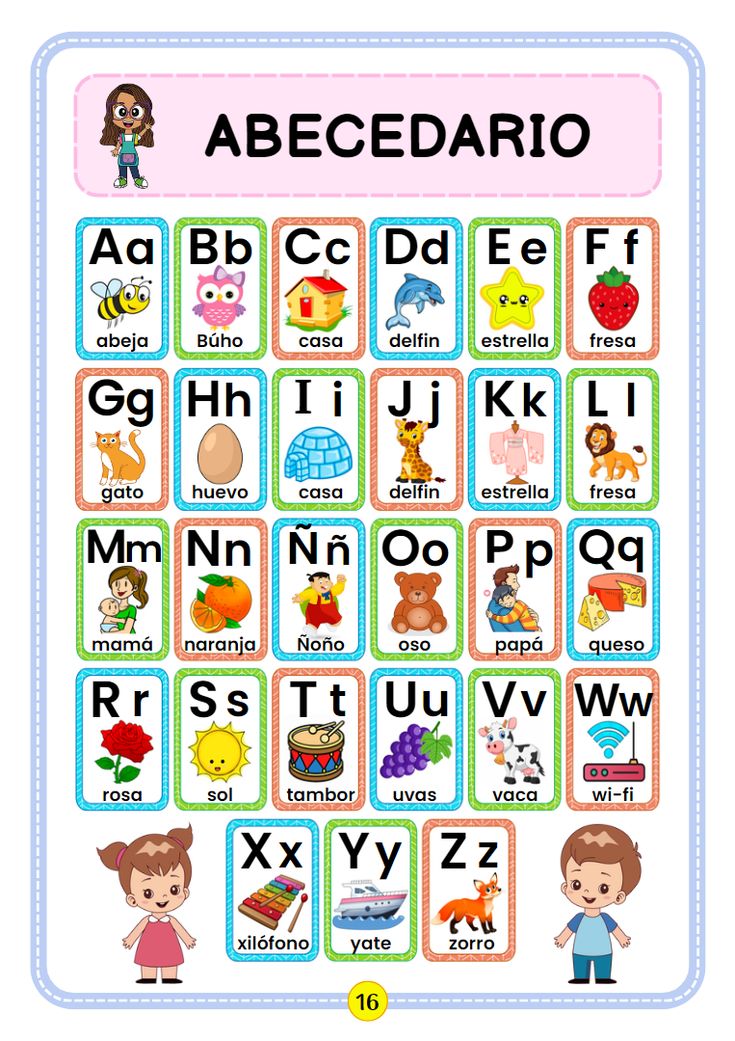
Aprende el Alfabeto Español: Imprimibles de Letras para Niños
Mastering the Spanish alphabet is the essential first step for anyone eager to learn the language, and utilizing alphabet letters in Spanish printables offers...
Aprende Abecedario: Free ABC Worksheets in Spanish for Kids
Mastering the Spanish alphabet is the essential first step for anyone beginning their journey to fluency, and abc worksheets in Spanish provide the structured...

Mickey Mouse Alphabet Printables: Fun Disney Worksheets for Kids
For parents and educators seeking engaging tools to introduce the fundamentals of reading, Mickey Mouse alphabet printables present a timeless and effective...

Free Alphabet Printables PDF for Kids – Fun Learning Activities
Navigating the world of early childhood education can feel overwhelming for parents and educators, yet finding the right resources does not have to be a...

Cursive Alphabet Printables: Free Tracing Worksheets & Practice Sheets
For educators, parents, and lifelong learners seeking to master the foundational elements of written language, cursive alphabet printables represent an...