Hojas de Trabajo del Alfabeto en Español: Aprende y Practica con Diversión
Mastering the Spanish alphabet is the essential first step for anyone beginning their journey to fluency, and a dedicated alphabet worksheet in Spanish provides the structured practice needed to solidify this foundation. While the Latin alphabet shares many similarities with English, the nuances of pronunciation, including distinct phonemes like the vibrant trilled 'r' and the graceful 'ñ', require focused attention. A well-designed worksheet moves beyond simple memorization, offering targeted exercises that reinforce letter recognition, correct writing formation, and the crucial link between letter shapes and their corresponding sounds.
Why a Dedicated Spanish Alphabet Worksheet is Essential
Relying solely on English phonics rules can lead to frustration and mispronunciation when learning Spanish. A specialized worksheet addresses these specific challenges by isolating the unique characteristics of the Spanish language. It provides a clear, distraction-free environment to learn the differences that matter, such as differentiating between 'b' and 'v' or understanding that 'j' is pronounced like an English 'h'. This targeted approach prevents the development of bad habits early on, creating a solid base for all subsequent language acquisition, from vocabulary building to complex grammar.
Key Components of an Effective Worksheet
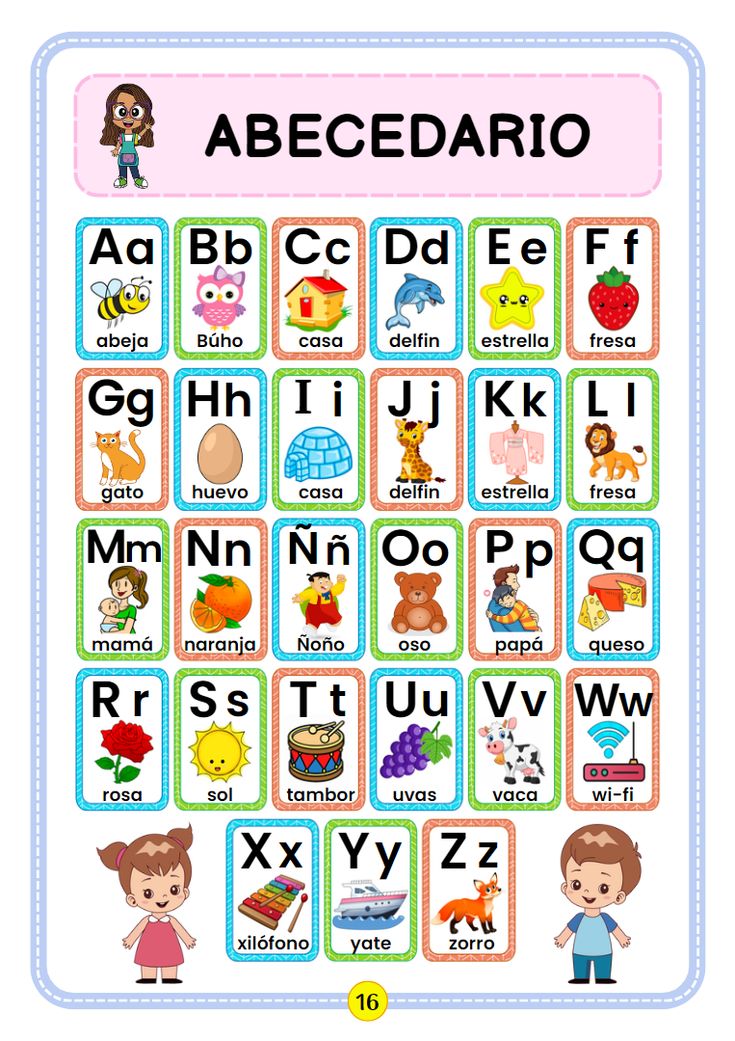
An exceptional Spanish alphabet worksheet is more than just a list of letters; it is a pedagogical tool designed for active learning. It should incorporate a variety of exercises that cater to different learning styles. Visual learners benefit from illustrations that associate letters with native Spanish words, while kinesthetic learners gain from tracing and writing sections. The most effective versions integrate all sensory inputs, ensuring that students see the letter, hear its sound, and physically form it, creating multiple neural pathways for memory retention.


Integrating Cultural and Linguistic Nuances
Language is deeply intertwined with culture, and a superior worksheet reflects this connection. Instead of generic images, it uses vocabulary that is immediately relevant and useful. For example, the letter 'ch' used to be considered a separate letter in the Spanish alphabet, and while its status has changed, it remains a vital digraph worth studying. Worksheets that include authentic cultural references, such as the use of '¡' and '¿' at the beginning of sentences, prepare learners not just for tests, but for real-world communication and a deeper appreciation of Hispanic heritage.
The Role of Technology in Modern Learning
The digital age has transformed how we interact with educational materials. Today's alphabet worksheet in Spanish is often part of an interactive ecosystem. Online platforms can provide instant feedback on pronunciation, turning static diagrams into dynamic speaking exercises. Gamification elements, such as earning points for correctly tracing the letter 'll' or identifying the 'gato' in a picture, make the learning process engaging, particularly for younger students. This blend of traditional structure and modern interactivity creates a dynamic and effective learning environment.


Structured Practice for Long-Term Success
Consistency is the cornerstone of language learning, and a structured worksheet facilitates this by providing a logical progression. It often begins with the vowels, the building blocks of all syllables, then moves through the consonants, gradually introducing more complex combinations and diacritical marks like the tilde on 'ñ'. This systematic approach allows learners to build confidence with each mastered letter before tackling more challenging phonetic combinations, ensuring a comprehensive and thorough understanding of the Spanish writing system.
Maximizing the Worksheet's Potential
To get the most out of any Spanish alphabet worksheet, active engagement is key. Learners should verbalize the sounds as they write the letters, rather than silently tracing shapes. They should treat each exercise as an opportunity to connect the visual symbol with its auditory equivalent. Supplementing the worksheet with external resources, such as listening to Spanish songs or watching simple children's shows, provides context and reinforces the lessons in a more organic, less formal setting.
A Practical Resource for All Ages
Whether you are a teacher looking for a valuable classroom resource, a parent seeking to support your child's bilingual education, or an adult learner taking your first steps into Spanish, a high-quality alphabet worksheet is an indispensable asset. It serves as a reliable, portable, and effective tool that can be used anywhere, anytime. By focusing on the specific intricacies of the Spanish language, it empowers learners with the fundamental skills necessary to decode the language with confidence, paving the way for a lifetime of successful communication.


Related Articles

Aprende las Letras: Hojas de Trabajo del Alfabeto en Español para Niños
Mastering the fundamentals of a new language often begins with the most basic building blocks, and for Spanish learners, that starting point is the alphabet. A...
Hojas de Trabajo ABC en Español – Aprende las Letras fácilmente
Mastering the Spanish alphabet is the essential first step for anyone beginning their journey to fluency, and an abc worksheet in Spanish provides the...

Aprende el Alfabeto en Español con Imágenes: Guía Visual para Niños
Learning the alphabet with pictures in Spanish offers a foundational gateway to fluency, transforming abstract symbols into tangible objects and ideas. This...

Hojas de Trabajo de Figuras Geométricas: Ejercicios de Shapes en Español
Mastering the fundamentals of geometry begins with the simplest forms, and a shapes worksheet in Spanish provides an excellent foundation for young learners...
Aprende el Alfabeto Español: Imprimibles de Letras para Niños
Mastering the Spanish alphabet is the essential first step for anyone eager to learn the language, and utilizing alphabet letters in Spanish printables offers...

Aprende el Alfabeto en Español con Imágenes 📚🎨
Learning the alphabet in Spanish is the essential first step for anyone beginning their journey with the language. While the foundation appears familiar...