Aprende el Alfabeto en Español con Imágenes: Guía Visual para Niños
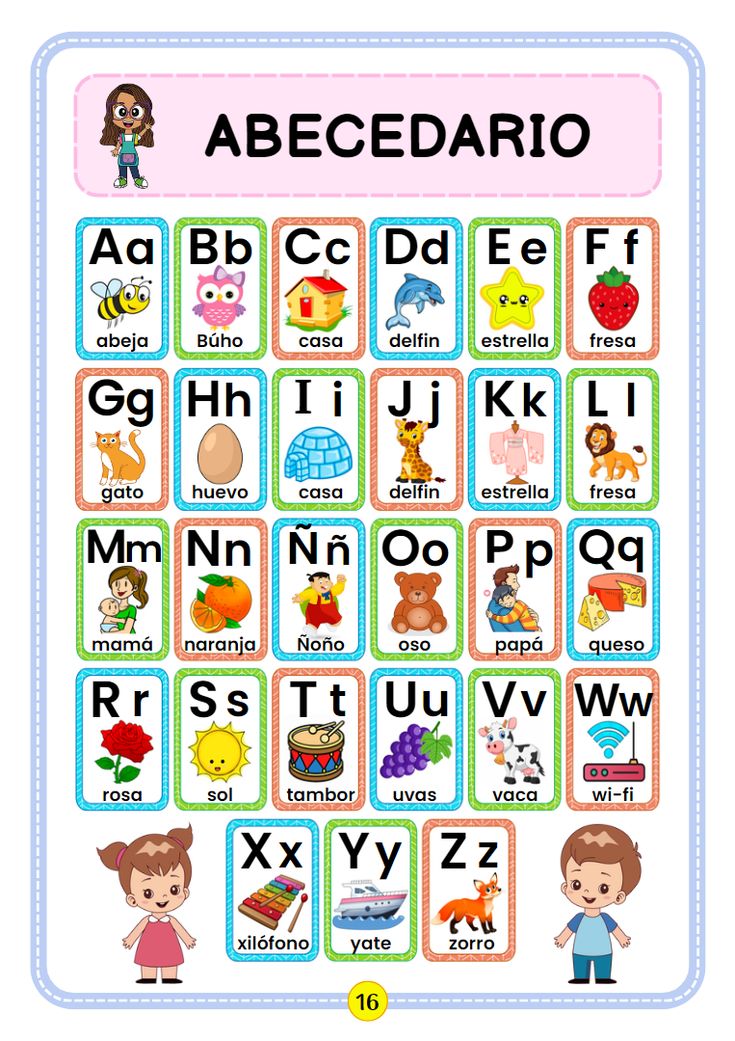
Learning the alphabet with pictures in Spanish offers a foundational gateway to fluency, transforming abstract symbols into tangible objects and ideas. This visual approach leverages cognitive associations, helping students—whether children or adult learners—anchor each letter sound with a memorable image. By connecting the phonetic value of a letter to a familiar noun, the process moves beyond rote memorization toward intuitive understanding, making it an effective strategy for building initial Spanish literacy skills.
The Power of Visual Learning in Language Acquisition
Visual aids are critical in language pedagogy because they mimic the way we naturally acquire our first language. When you see an image of an *apple* (*manzana*), your brain creates a direct link between the sound, the letter *m*, and the object. This method is particularly powerful for Spanish alphabet learners, where pronunciation rules can differ significantly from English. Associating the letter *ll* with the vivid image of *elefante* (elephant) helps cement the unique Spanish phoneme that初学者 often struggle with, turning a potential stumbling block into an engaging mental hook.
Core Letters and Their Picture Associations
The Spanish alphabet consists of 27 letters, with the addition of *ñ* being its distinctive feature. Each letter can be effectively taught using high-frequency nouns that start with its sound. For vowels, which are phonetically consistent, associating them with images that showcase the sound itself—like a smiling *a* for *avión* (airplane)—reinforces their pure pronunciation. For consonants, the goal is to select images that are culturally relevant and easy to visualize, ensuring quick recall.


Sample Letter-to-Image Mapping
| Letter (Spanish) | Example Word (Noun) | English Translation | Visual Cue |
|---|---|---|---|
| a | avión | airplane | Sketch of a small plane |
| ch | chocolate | chocolate | Image of a chocolate bar |
| e | elefante | elephant | Drawing of a large elephant |
| ñ | mañana | morning / tomorrow | Sun rising over a landscape |
| ll | pollo | chicken | A cartoon chicken |
| rr | perro | dog | A dog running fast (to imply rolling 'r') |
Navigating Tricky Sounds and Diacritics
Beyond the standard letters, the Spanish alphabet presents specific challenges that pictures can clarify. The letter *h* is always silent, so an image of a "humble house" can illustrate that it is present but not pronounced. Similarly, the distinction between *b* and *v*—which sound identical—requires visual reinforcement. Showing a *bicicleta* (bicycle) next to a *vaca* (cow) helps learners connect the visual shape of the letter with its context-dependent usage, even if the sound remains the same.
Structural Nuances: Vowels vs. Consonants
Understanding the structural role of letters is the next step after simple recognition. Vowels (*a, e, i, o, u*) are the engine of the language; they cannot combine to form words without them. Pictures of open vowels (like a mouth for *a*, a smiling face for *e*) emphasize their sonic importance. Consonants, on the other hand, are the skeleton; they provide the structure. Images of strong objects—such as *perro* (dog) for *p* or *silla* (chair) for *s*—help learners understand that these letters provide the form and friction that give Spanish its distinct rhythm.


From Alphabet to Literacy: Practical Application
Moving beyond flashcards is essential for deep learning. Once a student associates the letter *c* with a *casa* (house), the next step is to build simple words. Practicing *ca-sa* using the visual anchor helps bridge the gap between letter recognition and word formation. This method encourages students to "sound out" words by breaking them into components, fostering independent reading abilities. The picture association remains a crutch that gradually becomes unnecessary as the neural pathways for Spanish phonetics strengthen.
Cultural Context and Modern Relevance
Choosing the right images goes beyond basic vocabulary; it touches on cultural relevance and modern engagement. While traditional images like *sol* (sun) and *luna* (moon) are timeless, incorporating contemporary elements—such as *tableta* (tablet) for *t* or *yate* (yacht) for *y*—can resonate with younger learners. This approach ensures that the alphabet is not viewed as a static, historical artifact but as a living tool for communication in the digital age, making the learning process feel immediate and relevant.


Related Articles
Aprende el Alfabeto en Español con Imágenes 📚🎨
Learning the alphabet in Spanish is the essential first step for anyone beginning their journey with the language. While the foundation appears familiar...

Aprende el Alfabeto con Tracing en Español – Guía Interactiva para Niños
Mastering the Spanish alphabet is the essential first step for anyone embarking on the journey of Spanish literacy. Before learners can form words or construct...
Aprende el Alfabeto Español: Imprimibles de Letras para Niños
Mastering the Spanish alphabet is the essential first step for anyone eager to learn the language, and utilizing alphabet letters in Spanish printables offers...

Aprende las Letras: Hojas de Trabajo del Alfabeto en Español para Niños
Mastering the fundamentals of a new language often begins with the most basic building blocks, and for Spanish learners, that starting point is the alphabet. A...

Aprende el Alfabeto y los Números en Español: Guía Rápida y Fácil
Understanding alphabet numbers in Spanish opens a window into the foundational structure of the language, particularly for learners tackling initial...
Tracing de Letras del Alfabeto en Español: Hojas de Ejercicio para Niños y Principiantes SEO friendly title: Hojas de Tracing del Alfabeto Español - Descarga Gratuita
For educators and parents guiding early bilingual learners, alphabet tracing worksheets in Spanish represent a foundational tool. These structured exercises...