Aprende el Alfabeto: Printable ABC en Español Gratis para Niños y Educación Temprana
Mastering the Spanish alphabet is the essential first step for anyone beginning their journey with the language. While the foundation is similar to English, the nuances of pronunciation and letter names require specific attention for proper acquisition. This guide provides a complete resource for finding and understanding printable Spanish alphabet materials, ensuring you have the tools necessary for effective learning.
Why Printable Resources Remain Essential
In a digital age dominated by screens, the tangible benefits of printable materials are often overlooked. A physical worksheet allows for focused tracing practice without digital distractions, reinforcing muscle memory for writing each character. Furthermore, having a visual chart posted on a wall or desk creates an immersive environment, constantly reinforcing letter recognition and phonics during passive moments.
Key Advantages of Physical Alphabet Charts
- Reduced eye strain compared to prolonged screen viewing.
- Easy annotation and personalization with notes or mnemonics.
- Instant access without the need for batteries or internet connectivity.
- Tactile engagement that aids memory retention through physical interaction.
Core Elements of the Spanish Alphabet
The Spanish alphabet consists of 27 letters, with the addition of the letter Ñ (eñe) being the most distinct feature compared to English. It is crucial to understand that CH and LL were historically considered letters of their own in the alphabet, but modern orthography now classifies them as digraphs. This shift means they are no longer sorted separately in dictionaries, though they remain important for spelling and pronunciation.
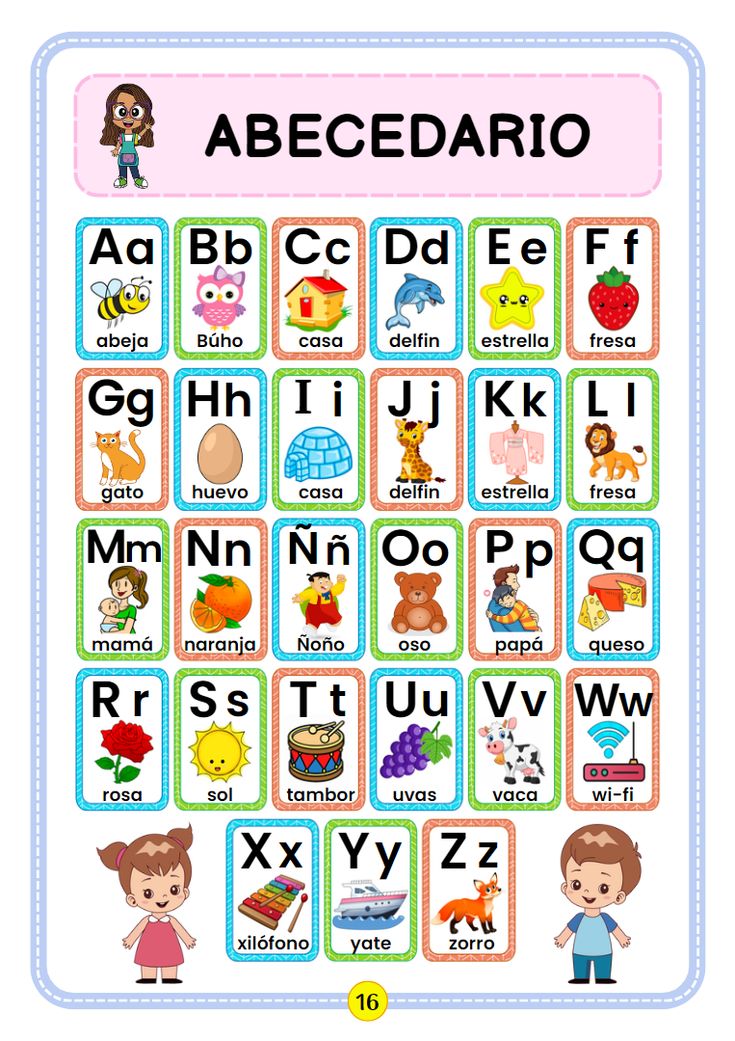


The Unique Character: Ñ
The Ñ represents a unique palatal nasal sound that does not exist in English. It appears in fundamental words like "mañana" (tomorrow) and "España" (Spain). When using printable charts, ensure that the correct uppercase (Ñ) and lowercase (ñ) forms are included to practice the distinctive tilde accurately.
Vocabulary and Pronunciation Guide
Learning the letters involves more than just recognizing shapes; it requires mastering their specific pronunciations. Unlike English, Spanish phonetics are highly consistent, with each letter typically representing a single sound. This predictability makes reading and spelling significantly easier once the alphabet is memorized.


| Letter | Spanish Name | Key Sound |
|---|---|---|
| J | Jota | Hard 'H' sound (like the 'ch' in Scottish 'loch') |
| LL | Elle | Y-sound (as in 'yes') in most regions |
| Ñ | Eñe | Palatal nasal (like 'ni' in 'canyon') |
| RR | Erre doble | Rolled or trilled 'r' sound |
Finding High-Quality Printables
When searching for "printable abc in spanish," the quality of the font and visual clarity is paramount. Look for resources that use clean, sans-serif fonts that are easy for beginners to distinguish, particularly between similar characters like I (Latina) and L (ele). Avoid scripts or overly decorative fonts that hinder legibility during the learning phase.
Effective Learning Strategies
Simply printing the material is not enough; active engagement is required. Practice writing the letters repeatedly while verbalizing their names and sounds to build a strong connection between sight, sound, and motor function. Use flashcards derived from your printables to test your recall, focusing specifically on the tricky letters like H (which is silent) and the distinction between V and B.
Resources for All Levels
Whether you are a teacher educating students or an adult learner studying independently, printable sheets are available for every need. Beginners can utilize sheets with dotted lines for tracing, while advanced students might prefer charts focused solely on handwriting practice without guides. Search for variations that include vocabulary examples to contextualize the letters within real-word usage.


Related Articles
Aprende el Alfabeto ABC en Español: Impresiones y Actividades para Niños
Mastering the Spanish alphabet is often the foundational step for anyone embarking on the journey of learning this beautiful language, and having the right...

Aprende el Alfabeto en Español con Imágenes: Guía Visual para Niños
Learning the alphabet with pictures in Spanish offers a foundational gateway to fluency, transforming abstract symbols into tangible objects and ideas. This...

Color by Number en Español Gratis: Imprimibles Educativos para Niños
Engaging children in educational activities does not have to be complicated or expensive, and color by number in Spanish free printable resources offer a...
Aprende el Alfabeto Español: Imprimibles de Letras para Niños
Mastering the Spanish alphabet is the essential first step for anyone eager to learn the language, and utilizing alphabet letters in Spanish printables offers...

Aprende las Letras: Hojas de Trabajo del Alfabeto en Español para Niños
Mastering the fundamentals of a new language often begins with the most basic building blocks, and for Spanish learners, that starting point is the alphabet. A...

Aprende ABC en Español: Worksheet Gratis para Niños
Mastering the Spanish alphabet is the essential first step for anyone beginning their journey to fluency, and an abc in spanish worksheet serves as the most...