Aprende ABC en Español: Worksheet Gratis para Niños
Mastering the Spanish alphabet is the essential first step for anyone beginning their journey to fluency, and an abc in spanish worksheet serves as the most direct tool for this foundational learning. Unlike the English alphabet, the Spanish version contains the same 27 letters but includes distinct nuances such as the vibrant Ñ, which immediately signals the language’s unique identity. For students, educators, and self-learners, these dedicated worksheets transform abstract letters into tangible, repeatable practice, bridging the gap between theoretical knowledge and confident pronunciation.
Why an ABC in Spanish Worksheet is Essential for Language Learners
A structured abc in spanish worksheet provides a systematic framework that is often missing from casual app usage or passive video watching. Language acquisition relies heavily on repetition and multi-sensory engagement, and a well-designed worksheet activates visual, auditory, and kinesthetic learning pathways simultaneously. By tracing letters, writing vocabulary, and matching sounds, learners create muscle memory that cements the shapes and sounds of the Spanish alphabet in long-term memory. This is particularly crucial for overcoming the initial intimidation of a new script and building the automaticity required for fluent reading.
Decoding the Unique Characters of the Spanish Alphabet
Not all alphabet worksheets are created equal, and the best abc en español worksheet highlights the characters that differentiate Spanish from English. Beyond the standard vowels, learners must grapple with the critical role of the accent mark and the letter Ñ, which is considered a separate letter in the Spanish alphabet, not merely a variant of N. A quality resource will dedicate specific sections to these nuances, ensuring that learners understand that "mañana" is not just spelled differently, but pronounced with a distinct ñ sound that changes the entire meaning of the word.


Structural Components of an Effective Worksheet
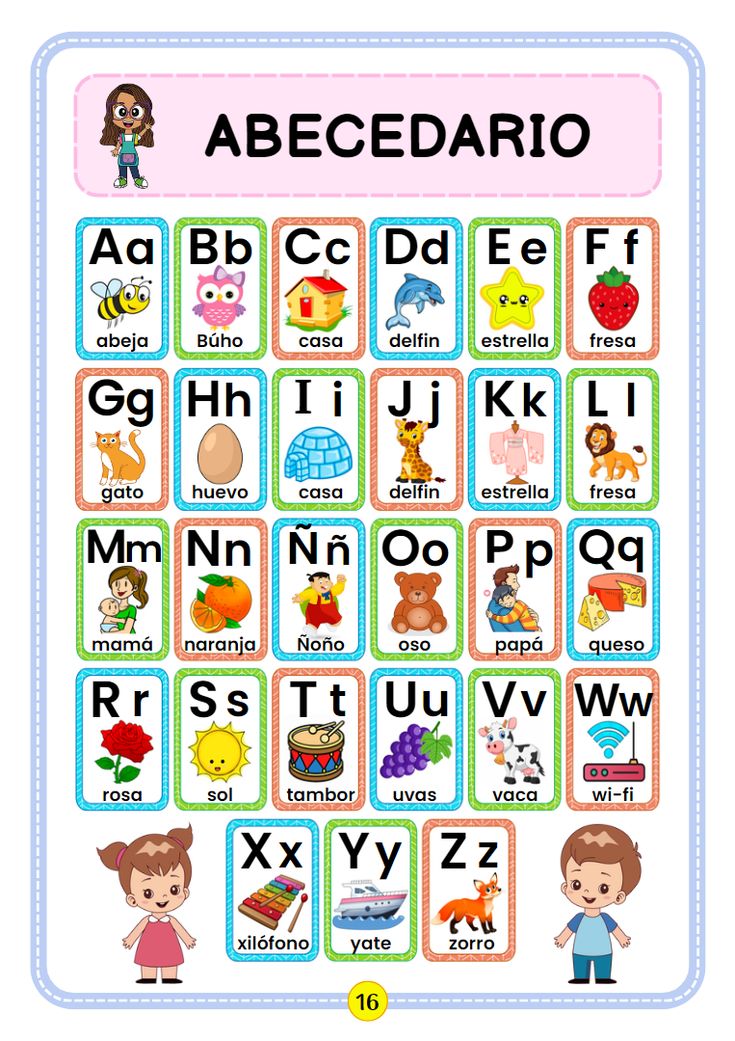
When selecting or creating an abc in spanish worksheet, look for specific structural elements that maximize educational impact. An ideal sheet should move beyond simple fill-in-the-blanks to incorporate a variety of exercises that cater to different learning styles. The integration of corresponding vocabulary images next to each letter helps learners associate the abstract symbol with a concrete sound and object, reinforcing memory through contextual association.
Vocabulary Integration and Pronunciation Guides
Superior worksheets do not isolate letters; they connect them to sound immediately. Look for a worksheet that pairs each letter or letter combination with common initial vocabulary, such as "A for Abeja (bee)" or "Ca for Casa (house)." Including phonetic spelling or QR codes that link to native speaker pronunciations is invaluable. This auditory component ensures that learners do not just memorize silent shapes but understand how the letter breathes life into the language, preventing the common mistake of reading Spanish as if it were English.


- Tracing lines for muscle memory development.
- Fill-in-the-blank letter identification exercises.
- Image-to-letter matching for vocabulary building.
- Phonetic spelling and audio pronunciation links.
- Section dedicated to Ñ and vowel stress marks.
Applying the Alphabet: From Worksheet to Real-World Use
The ultimate goal of any abc in español worksheet is to transition knowledge from the page to real-world application. Once the foundational letters are solid, the worksheet should introduce simple words and short phrases, encouraging learners to read signs, labels, and children’s books. This practical application transforms the worksheet from a static exercise sheet into a dynamic bridge to literacy, proving that the effort invested in mastering the alphabet yields immediate, functional returns in understanding the Spanish-speaking world.
Tracking Progress and Maintaining Engagement
Effective learning is iterative, and a good abc en español worksheet includes space for self-assessment or teacher feedback. Whether it is a section for circling errors, a scorecard for writing speed, or a reflection prompt about difficult letters, these elements help learners visualize their growth. Staying engaged requires variety; rotating between different worksheet styles—such as coloring pages for beginners and crossword puzzles for intermediate learners—keeps the process fresh and prevents the boredom that often leads to abandonment of language studies.


Related Articles
Aprende el Alfabeto: Printable ABC en Español Gratis para Niños y Educación Temprana
Mastering the Spanish alphabet is the essential first step for anyone beginning their journey with the language. While the foundation is similar to English...

Aprende el Alfabeto en Español con Imágenes: Guía Visual para Niños
Learning the alphabet with pictures in Spanish offers a foundational gateway to fluency, transforming abstract symbols into tangible objects and ideas. This...

Color by Number en Español Gratis: Imprimibles Educativos para Niños
Engaging children in educational activities does not have to be complicated or expensive, and color by number in Spanish free printable resources offer a...
Aprende el Alfabeto Español: Imprimibles de Letras para Niños
Mastering the Spanish alphabet is the essential first step for anyone eager to learn the language, and utilizing alphabet letters in Spanish printables offers...

Aprende las Letras: Hojas de Trabajo del Alfabeto en Español para Niños
Mastering the fundamentals of a new language often begins with the most basic building blocks, and for Spanish learners, that starting point is the alphabet. A...

Descarga Gratis: Páginas para Colorear la Biblia en Español para Niños y Adultos
For Spanish-speaking families and educators, bible coloring pages in Spanish offer a unique and accessible entry point into foundational spiritual teachings...