Aprende el Alfabeto ABC en Español: Impresiones y Actividades para Niños
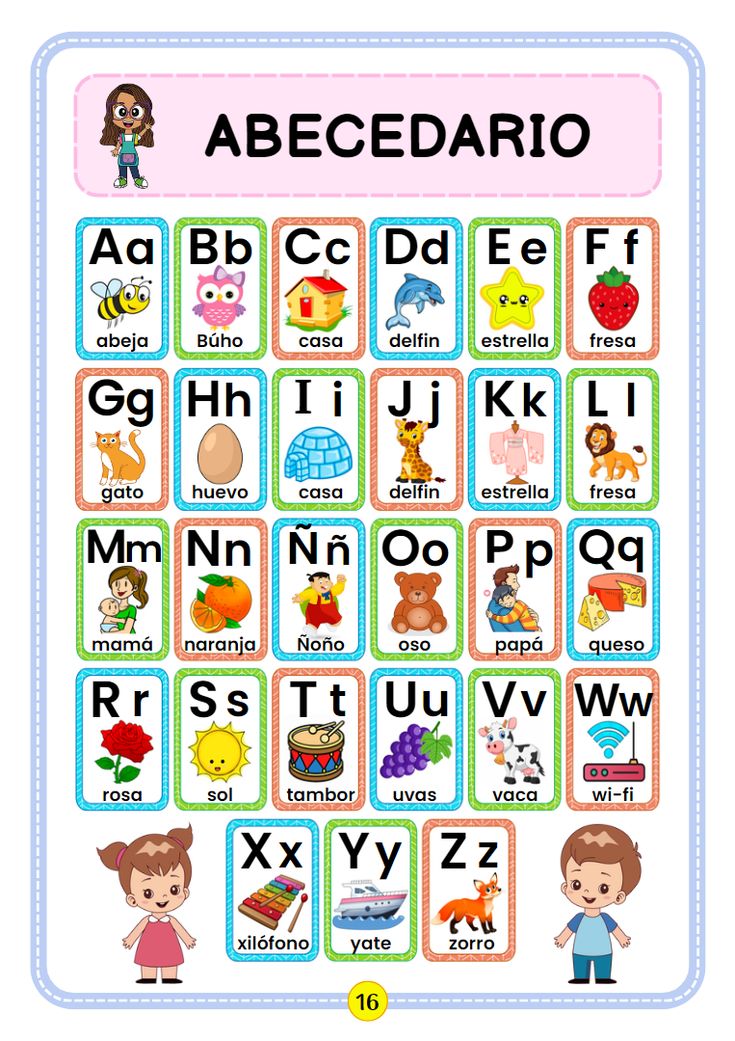
Mastering the Spanish alphabet is often the foundational step for anyone embarking on the journey of learning this beautiful language, and having the right tools can make all the difference. For educators, parents, and self-learners, an "abc in Spanish printable" resource serves as an indispensable bridge between theoretical knowledge and practical application.
The Importance of Visual Learning in Language Acquisition
Visual aids are critical in language education, particularly for beginners, as they help to solidify the connection between sounds and symbols. An "abc in Spanish printable" provides a tactile and visible reference that goes beyond digital screens, allowing learners to engage with the material in a more concrete way. Whether it is hanging on a wall in a classroom or placed on a desk for at-home study, these charts serve as constant, silent instructors that reinforce memory through repetition and exposure.
Decoding the Spanish Alphabet: Nuances and Pronunciation
While the Spanish alphabet shares many letters with the English one, the pronunciation rules are distinct, and this is where a high-quality "abc in Spanish printable" proves its value. These resources accurately represent the specific sounds of the language, such as the rolling 'r' or the soft 'c' sound, ensuring that learners build correct habits from the very beginning. Below is a look at the standard characters and their typical phonetic values:


| Letter | Spanish Name | Key Pronunciation |
|---|---|---|
| J | Jay | Hard 'h' sound (like the end of "loch") |
| Ñ | Eñe | Palatal nasal (ny sound in "canyon") |
| LL | Elle | Traditional 'y' sound (yes) or palatal lateral |
| RR | Erre doble | Rolled/r trilled r sound |
Practical Applications for Educators and Parents
For teachers, a printable "abc in Spanish" worksheet is a versatile asset that can be integrated into almost any lesson plan. It can function as a morning work activity, a center station tool, or a take-home assignment to involve families in the learning process. The ability to print these documents on demand allows for immediate customization; for instance, a teacher might select a version that includes cultural images or specific vocabulary sets relevant to the current unit, making the learning experience feel personal and relevant.
Flashcards and Interactive Learning
Beyond the full chart, the individual letters of an "abc in Spanish printable" can be cut out to create flashcards. This method transforms static learning into active recall games. Students can shuffle the cards, race to match the letter to its sound, or build simple words. This kinesthetic approach—moving the letters around—caters to different learning styles and helps to embed the information into long-term memory far more effectively than passive reading ever could.


Finding High-Quality and Diverse Resources
The digital marketplace offers a vast array of "abc in Spanish printable" options, ranging from minimalist black-and-white sheets suitable for quick photocopies to vibrant, illustrated versions designed for young children. When selecting a resource, it is important to consider the font style used, as some letters, like 'g' and 'j', can vary significantly in handwriting styles. Opt for resources that use standard, clear typography to ensure that learners can easily recognize the characters when they appear in books or on screens.
Supporting Differentiated Instruction
One of the greatest strengths of a printable resource is its scalability for different skill levels. An advanced learner might use a standard "abc in Spanish printable" to quickly review the letters while simultaneously learning about accent marks and diacritics, such as the acute accent and the umlüot. Conversely, a beginner can focus solely on letter recognition and basic sound association. This flexibility ensures that the material remains useful as the learner progresses, preventing the need to purchase new materials for every stage of development.
The Transition to Digital Integration
While the physical act of printing and writing is important, modern learning often blends analog and digital methods. Many "abc in Spanish printable" charts are created by educators who also offer companion digital flashcards or interactive online quizzes. This hybrid approach allows learners to trace the letters by hand to develop muscle memory and then test their knowledge through engaging digital platforms. It is this combination of traditional structure and modern technology that often leads to the most successful and enjoyable learning outcomes.


Related Articles
Aprende el Alfabeto: Printable ABC en Español Gratis para Niños y Educación Temprana
Mastering the Spanish alphabet is the essential first step for anyone beginning their journey with the language. While the foundation is similar to English...
Aprende el Alfabeto en Español con Imágenes: Guía Visual para Niños
Learning the alphabet with pictures in Spanish offers a foundational gateway to fluency, transforming abstract symbols into tangible objects and ideas. This...
Aprende el Alfabeto Español: Imprimibles de Letras para Niños
Mastering the Spanish alphabet is the essential first step for anyone eager to learn the language, and utilizing alphabet letters in Spanish printables offers...

Aprende las Letras: Hojas de Trabajo del Alfabeto en Español para Niños
Mastering the fundamentals of a new language often begins with the most basic building blocks, and for Spanish learners, that starting point is the alphabet. A...
Aprende el Alfabeto con Tracing en Español – Guía Interactiva para Niños
Mastering the Spanish alphabet is the essential first step for anyone embarking on the journey of Spanish literacy. Before learners can form words or construct...

Color by Number en Español Gratis: Imprimibles Educativos para Niños
Engaging children in educational activities does not have to be complicated or expensive, and color by number in Spanish free printable resources offer a...