Aprende los Colores del Arcoíris en Español: Guía Completa 🌈✨
The Spanish language offers a rich and evocative palette for describing the spectrum of light we see in a rainbow. While the scientific order remains constant, translating these vibrant colors into Spanish reveals nuances in vocabulary and cultural perception that go far than a simple word-for-word translation.
Foundations: The Core Rainbow Colors in Spanish
At the heart of any discussion about rainbow colors in Spanish are the primary and secondary hues that form the visible spectrum. Unlike English, which often borrows Latin or Greek roots, many Spanish color names derive from natural objects, creating a tangible link to the physical world.
The ROYGBIV Breakdown
To accurately identify the colors of the rainbow—Red, Orange, Yellow, Green, Blue, Indigo, and Violet—in Spanish, it is essential to understand the specific terms used:


- Red (Rojo): The most straightforward translation, "rojo" applies to the longest wavelength of visible light.
- Orange (Anaranjado/Naranja): This is where vocabulary diverges. "Anaranjado" is a more formal, descriptive term literally meaning "orange-like," while "naranja" is the common word for the fruit and is widely used as the color name in everyday speech.
- Yellow (Amarillo): A bright and cheerful term derived from the Latin "melonatus," meaning "color of gold."
- Green (Verde): Representing the midpoint of the spectrum, "verde" shares roots with the Latin "viridis," signifying freshness and life.
- Blue (Azul): One of the most iconic Spanish colors, "azul" has uncertain origins but is believed to derive from the Arabic "لازward" (lāzaward), meaning lapis lazuli.
- Indigo (Índigo): This color, situated between blue and violet, is often retained in Spanish as "ítndigo," maintaining the same spelling and generally the same pronunciation.
Violet (Violeta)
The final color of the rainbow is violet, which translates to "violeta" in Spanish. This term is used both for the spectral color and for the fragrant flower, demonstrating the language's tendency to unify botanical and chromatic identity.
Nuances and Cultural Shades
While the technical translation of rainbow colors is vital, understanding the subtle variations in usage enriches the learning experience. Spanish is a diverse language, and regional differences can influence color terminology.
Regional Variations and Metallic Tones
In some Latin American countries, you might hear "caoba" used to describe a specific deep red or orange hue, although this is more specific to wood finishes than the rainbow itself. Furthermore, colors can be modified to describe metallic tones; for instance, "azul cielo" (sky blue) or "verde esmeralda" (emerald green) are common, but when referring to the pure spectral rainbow, the standard terms apply universally across Spanish-speaking regions.
Practical Applications: Art and Design
For artists, designers, and marketers, knowing how to communicate these colors is essential for creating culturally resonant work. When translating a brand identity or artistic concept that relies on the vibrancy of a rainbow, precision matters.
Using the Colors in Context
Simply listing the colors is only the first step. True fluency involves understanding how to combine them. For example, describing a gradient effect requires knowledge of transitional phrases and the correct gender agreement. "Un arcoíris de colores vibrantes que van desde el rojo apagado hasta el violeta profundo" paints a much more vivid picture than a simple enumeration. The gender of the adjective must also match the noun, although "color" (color) is a masculine noun that allows for neutral description.
The Science and the Spectrum
It is interesting to note that while human language categorizes light into distinct bands, the rainbow itself is a continuous gradient. The division between "blue" and "indigo," for instance, is more of a human construct than a strict physical boundary. In Spanish, this continuity is respected in the same way, but the language provides the specific labels needed to navigate and discuss this natural phenomenon.
Conclusion: Embracing the Palette
Mastering the rainbow colors in Spanish is about more than memorizing a list; it is about connecting with a language that draws beauty from the natural world. From the fiery "rojo" to the mysterious "violeta," these terms allow for a precise and poetic description of one of nature's most magnificent displays.


Related Articles

Colores de Caballos en Español: Guía Completa de Tonos y Nombres 🐎
Understanding horse colors in Spanish opens a door to a richer appreciation of these magnificent animals, whether you are a breeder, an equestrian enthusiast...

El Libro del Arcoíris: Un Viaje Mágico por los Colores del Arcoíris en Español
For Spanish-speaking families and educators seeking high-quality children's literature, finding a "rainbow fish book in Spanish" can be a rewarding search. The...
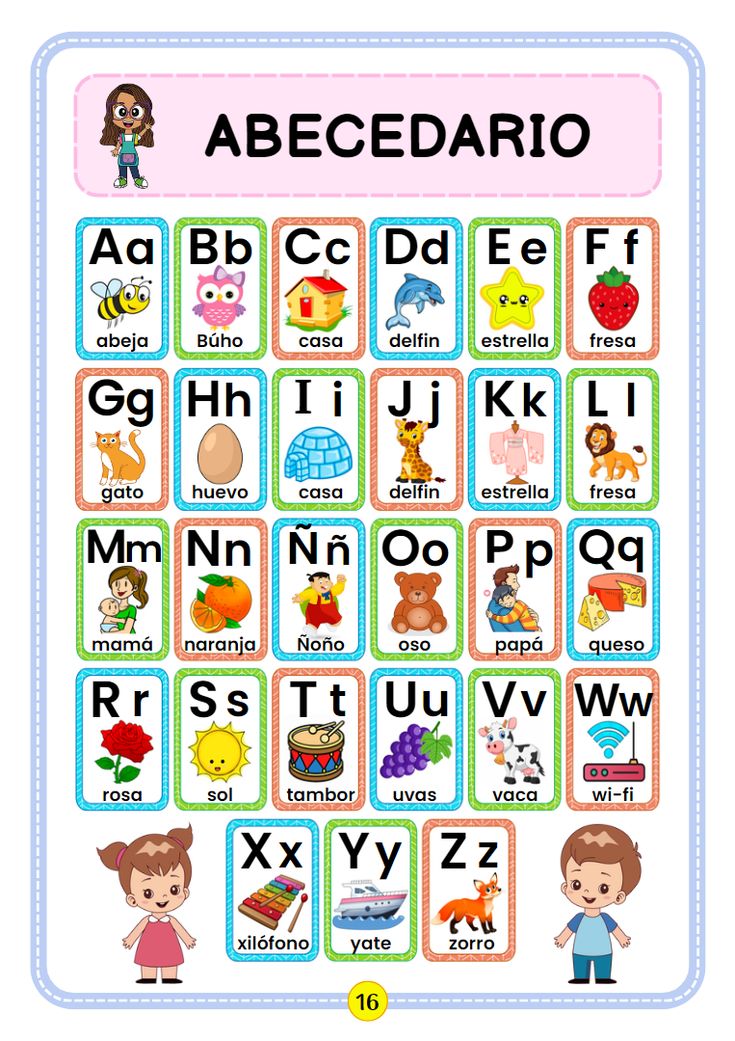
Aprende el Alfabeto en Español: Guía Completa de las Letras Hispanas
While the foundation of written Spanish appears familiar to English speakers, the alphabet letters in Spanish carry distinct nuances that are essential for...

Aprende el Alfabeto en Español con Imágenes: Guía Visual para Niños
Learning the alphabet with pictures in Spanish offers a foundational gateway to fluency, transforming abstract symbols into tangible objects and ideas. This...

El Libro Arcoíris: Un Viaje Mágico por los Peces del Arcoíris en Español
For educators and parents seeking high-quality multicultural literature, the search for a "rainbow fish book Spanish" often leads to a vibrant world of...

Rastrear Número en Español: Guía Completa y Traducción Exacta
When managing shipments or tracking assets across borders, professionals often encounter the need to identify a trace number in Spanish. This specific...