Aprende el Alfabeto en Español: Guía Completa de las Letras Hispanas
While the foundation of written Spanish appears familiar to English speakers, the alphabet letters in Spanish carry distinct nuances that are essential for true linguistic fluency. Understanding the full spectrum of Spanish letters, from the classic 27 to the nuanced sounds of ll and rr, provides the key to unlocking accurate pronunciation and spelling. This guide serves as a detailed exploration of the Spanish alphabet, breaking down each letter’s unique role and pronunciation to build a solid foundation for learners.
The Core Spanish Alphabet: A to Z
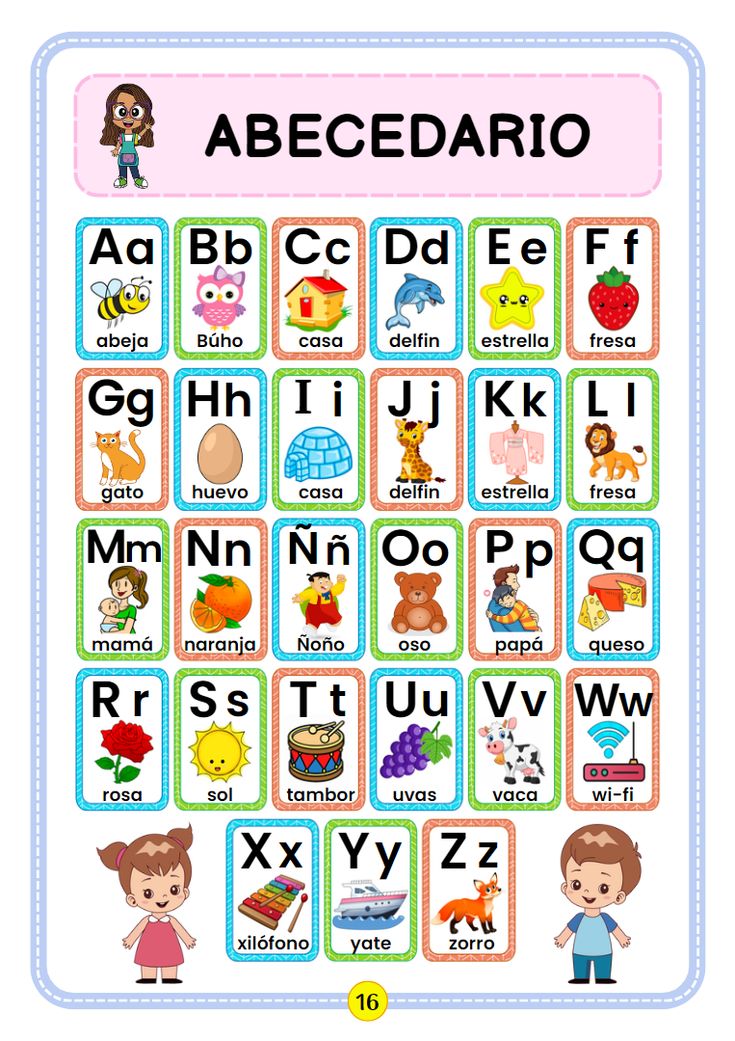
The modern Spanish alphabet consists of 27 letters, a collection that includes the 26 letters of the English alphabet plus one essential additional character. This extra letter is the ñ (eñe), a distinctive symbol that represents a unique palatal nasal sound not found in English. While the core structure is similar, Spanish pronunciation is far more phonetic than English, meaning words are generally written as they are spoken. This consistency makes it easier to master reading and spelling once the specific sounds are understood.
Key Differences: Vowels and Consonants
Spanish vowels are pure and consistent, a stark contrast to the variable sounds of their English counterparts. Each vowel—a, e, i, o, u—has one single, unwavering sound, which eliminates a major source of pronunciation confusion. Furthermore, consonants like 'j' produce a guttural 'h' sound (as in 'Hola'), and 'ñ' creates a 'ny' sound (as in 'Señor'), immediately distinguishing the language. These stable pronunciations form the reliable backbone of Spanish phonetics.


Digraphs and Special Characters: Ch, Ll, Ñ, and RR
Beyond the individual letters, Spanish utilizes specific digraphs and special characters to represent distinct sounds. Historically, 'ch' (che) and 'll' (elle) were considered separate letters in the alphabet, but modern orthography now classifies them as single units representing one sound. The ñ is a letter in its own right, and the double 'rr' (erre doble) creates a unique, rolled vibration of the tongue known as the alveolar trill.
| Letters | Name | Approximate Sound |
|---|---|---|
| ch | che | Similar to "ch" in "church" |
| ll | elle | Historically "y" as in "yes" (varies by region) |
| ñ | eñe | Similar to "ny" in "canyon" |
| rr | erre doble | A rolled 'r' sound, trilled |
Pronunciation Mastery: The Phonetic Advantage
One of the greatest advantages of learning Spanish is its largely phonetic spelling system. Unlike English, where 'gh' can sound like 'f' in "enough" or be silent in "though," Spanish letters represent sounds with remarkable consistency. Mastering the sound of each letter provides learners with the ability to decode unfamiliar words with confidence. This predictability significantly accelerates the journey toward fluent reading and speaking.


Regional Variations to Note
While the core alphabet is standardized, pronunciation can vary slightly across different Spanish-speaking regions. The most notable variation involves the pronunciation of 'z' and 'ce' (c before e or i), which in Castilian Spanish (Spain) is pronounced with a 'th' sound (like "think"). In Latin America, these letters are pronounced with an 's' sound. Similarly, the historical 'll' sound has evolved in many regions to merge with the 'y' sound, a phenomenon known as yeísmo.
Practical Application for Learners
For anyone starting their Spanish journey, focusing on the alphabet is the critical first step. Practice the distinct sound of the ñ until it feels natural, and listen carefully to the rolled 'rr' to replicate the correct articulation. Embrace the phonetic nature of the language by sounding out words letter by letter. This foundational understanding of Spanish letters will build confidence and pave the way for more complex vocabulary and grammar.


Related Articles
Aprende el Alfabeto Español: Imprimibles de Letras para Niños
Mastering the Spanish alphabet is the essential first step for anyone eager to learn the language, and utilizing alphabet letters in Spanish printables offers...
Aprende el Alfabeto en Español con Imágenes: Guía Visual para Niños
Learning the alphabet with pictures in Spanish offers a foundational gateway to fluency, transforming abstract symbols into tangible objects and ideas. This...
Aprende el Alfabeto y los Números en Español: Guía Rápida y Fácil
Understanding alphabet numbers in Spanish opens a window into the foundational structure of the language, particularly for learners tackling initial...

Aprende el Alfabeto con Tracing en Español – Guía Interactiva para Niños
Mastering the Spanish alphabet is the essential first step for anyone embarking on the journey of Spanish literacy. Before learners can form words or construct...

Aprende el Alfabeto en Español con Imágenes 📚🎨
Learning the alphabet in Spanish is the essential first step for anyone beginning their journey with the language. While the foundation appears familiar...

Aprende las Letras: Hojas de Trabajo del Alfabeto en Español para Niños
Mastering the fundamentals of a new language often begins with the most basic building blocks, and for Spanish learners, that starting point is the alphabet. A...