Fun Hindi Worksheet for KG Kids – Learn & Practice Easily
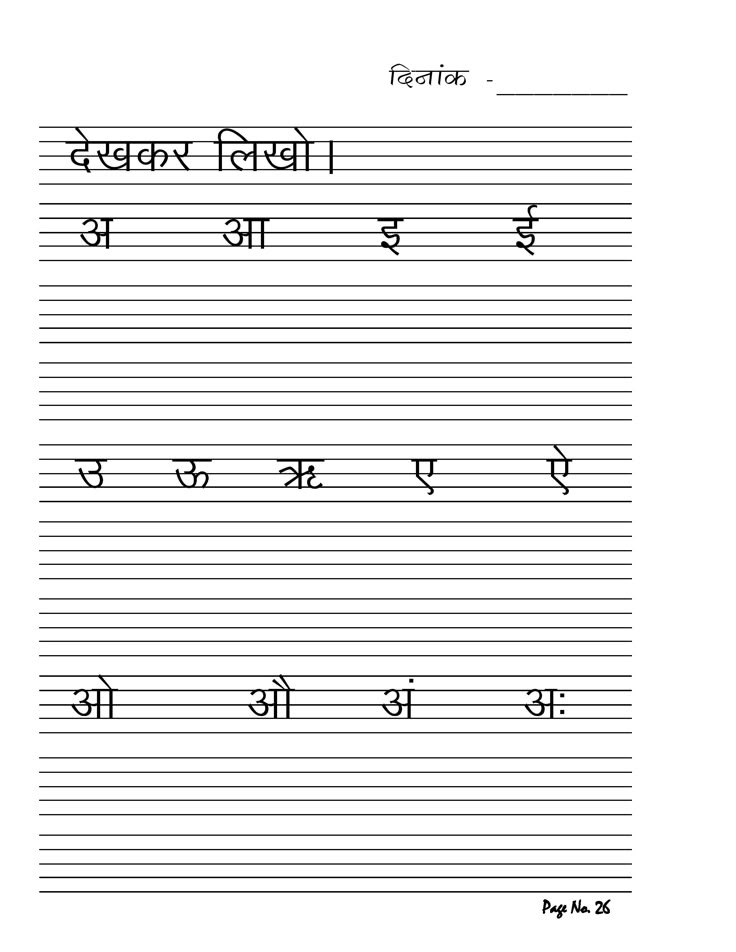
Mastering the Hindi alphabet and language fundamentals begins long before a child picks up a storybook. For kindergarten students, structured practice is essential, and a worksheet for kg Hindi provides the foundational tools needed to grasp the unique script and phonetics. These specific resources are designed to match the cognitive development of young learners, turning what could be an abstract symbol system into an engaging and accessible learning experience.
The Importance of Early Hindi Literacy
Introducing Hindi at the kindergarten level offers cognitive benefits that extend far beyond language acquisition. Learning a script like Devanagari helps children develop strong visual discrimination skills and fine motor control. A worksheet for kg Hindi often incorporates tracing lines and shapes before letters, which strengthens the hand muscles required for writing. This early exposure cultivates a cultural connection and linguistic versatility that is increasingly valuable in a globalized world.
Key Components of a Quality Hindi Worksheet
Not all learning materials are created equal, and the effectiveness of a worksheet for kg Hindi depends on its design. High-quality worksheets move beyond simple memorization by incorporating elements of play and recognition. They are typically structured to guide the child from simple identification to basic reproduction of the characters.


Visual Recognition and Association
The initial stage focuses on familiarization. Children learn to identify Hindi letters by associating them with familiar objects or sounds. For example, the letter "अ" (A) might be paired with an image of an apple ("आपल" in Hindi phonetics). This method leverages visual memory, making the abstract characters relatable and easier to retain for young minds.
Tracing and Stroke Order
Proper formation is crucial for developing clear handwriting habits. A comprehensive worksheet for kg Hindi includes dedicated tracing sections. These exercises guide the child through the correct stroke order, from top to bottom and left to right. Understanding the directional flow of the script prevents the development of incorrect writing habits that are difficult to correct later.


Progressive Learning Pathways
Effective educational tools recognize that learning is a journey. A great worksheet for kg Hindi is part of a larger progressive system. It usually starts with vowel sounds (स्वर) and moves to consonants (व्यंजन), ensuring that the child builds a solid base before combining letters to form syllables. This structured approach prevents cognitive overload and fosters a sense of accomplishment.
| Learning Stage | Worksheet Focus | Skill Developed |
|---|---|---|
| Pre-Writing | Lines and curves tracing | Motor Skills |
| Introduction | Letter identification with images | Visual Association |
| Practice | Guided letter tracing | Handwriting & Stroke Order |
Engagement Through Interactive Design
To hold the attention of a kindergarten student, a worksheet for kg Hindi must be visually appealing. Bright colors, friendly cartoon characters, and stickers for rewards transform a standard exercise into a game. This gamification is critical—it shifts the perception of the task from "work" to "fun," encouraging repeat practice and fostering a positive attitude toward learning Hindi from the very beginning.
Supporting Parents and Educators
Worksheets serve as a vital bridge between the classroom and the home. For parents who may not be fluent in the script, a well-designed worksheet for kg Hindi acts as a self-explanatory tool that requires minimal guidance. Clear instructions and answer keys allow caregivers to support their child’s education effectively, ensuring that learning continues seamlessly outside of school hours and reinforcing the lessons taught by educators.




Related Articles
Fun Hindi Worksheet for Kids: Learn & Practice Easily
Hindi worksheet for kids serves as a foundational tool for introducing young learners to the Devanagari script and the rhythm of the Hindi language. These...
Fun Hindi Worksheets for KG 1 Kids – Learn & Play!
Mastering the fundamentals of the Hindi language at the earliest educational stage is a priority for many parents and educators. For students in Kindergarten...
Fun Hindi Alphabet Worksheets: Learn Hindi Letters Easily
Mastering the Hindi alphabet is the essential first step for anyone beginning their journey to learn the Hindi language. This foundational block dictates...
Hindi Alphabet Practice Worksheet: Tracing & Writing PDF for Kids
Mastering the Devanagari script is the essential first step for anyone beginning their journey with the Hindi language. A Hindi alphabet practice worksheet...
Fun Hindi Alphabet Worksheets: Learn & Trace Letters Easily
Mastering the Hindi alphabet is the essential first step for any child or language learner embarking on the journey of reading and writing in Hindi. A Hindi...

Fun Bengali Alphabet Worksheet for Kids – Learn Letters Easily
Mastering the Bengali script is the essential first step for anyone seeking to read, write, or understand the rich literary and cultural heritage of Bengal. A...