Hindi Alphabet Practice Worksheet: Tracing & Writing PDF for Kids
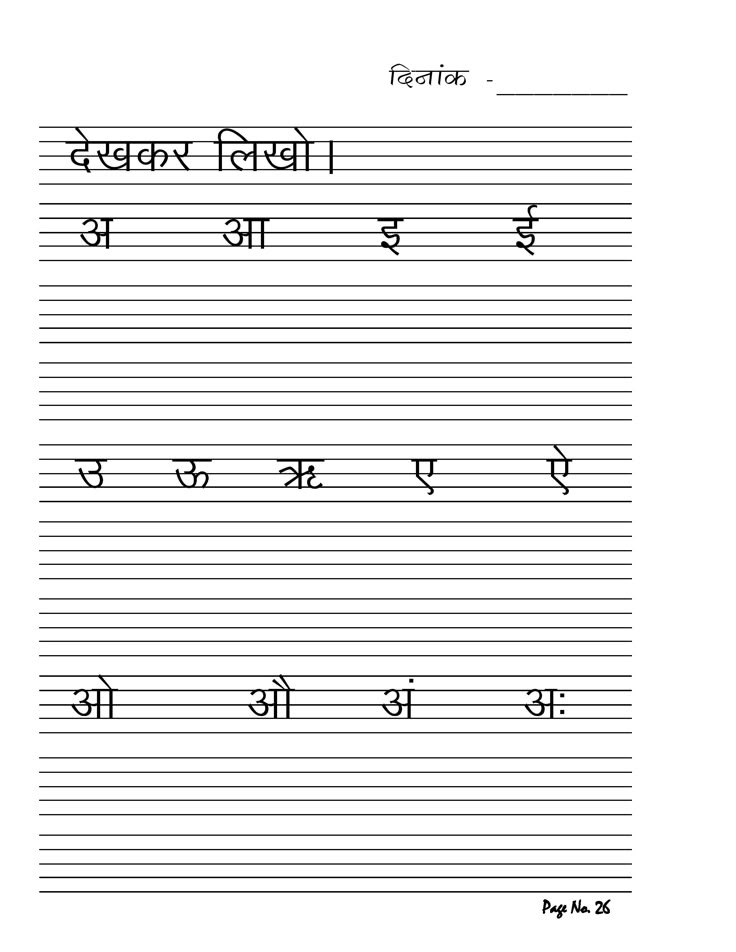
Mastering the Devanagari script is the essential first step for anyone beginning their journey with the Hindi language. A Hindi alphabet practice worksheet serves as a fundamental tool, transforming the complex arrangement of characters into an engaging and structured exercise. This methodical approach allows learners to connect visual recognition with physical writing, solidifying the intricate shapes of vowels, consonants, and diacritical marks in muscle memory. Consistent use of these worksheets builds a confident foundation, making the transition to reading and writing significantly smoother.
Building a Strong Linguistic Foundation
The initial encounter with the Hindi alphabet can appear daunting due to its unique character set, which differs significantly from the Latin alphabet. A dedicated worksheet breaks down this complexity by focusing on individual characters, providing a clear and uncluttered space for practice. This focused repetition helps learners distinguish between characters that might look similar at first glance, such as the various forms of "र" (ra) or the subtle differences in nasalization symbols. By starting with the fundamentals, students establish a robust framework that supports all future language learning.
Structured Learning for Effective Retention
Unlike casual tracing, a structured worksheet guides the learner through a logical progression. It often begins with isolated vowels and consonants, moves to compound characters and "matras" (vowel signs), and finally introduces conjunct consonants. This systematic layout ensures that learners do not feel overwhelmed. Each new concept is introduced gradually, allowing for incremental mastery. The process transforms a potentially chaotic script into a series of manageable steps, fostering a sense of accomplishment with every completed exercise.


The Practical Advantages of Worksheet Usage
The tangible nature of a worksheet offers distinct advantages over purely digital learning methods. The physical act of writing by hand engages cognitive processes differently, enhancing memory retention and improving character recall. Learners can easily track their visible progress by comparing earlier attempts with current ones, providing clear motivational evidence. Furthermore, worksheets are versatile tools, suitable for self-study, classroom environments, or tutoring sessions, making them an accessible resource for a wide audience.
- Develop correct stroke order and writing technique from the very beginning.
- Identify and correct personal weak points through targeted repetition.
- Build confidence with a low-pressure, self-paced learning format.
- Reinforce phonetic sounds by associating them with their written symbols.
- Create a portable study resource that requires no internet connection.
Customizing Your Practice Experience
Effective learning is rarely a one-size-fits-all scenario, and a Hindi alphabet worksheet can be adapted to meet individual needs. Learners can focus on specific characters that pose a challenge, repeating those sections more frequently. For educators, these worksheets provide a valuable framework for assigning homework that directly reinforces classroom lessons. The ability to revisit difficult sections ensures that no learner is left behind, allowing for a truly personalized educational journey.


Integrating Worksheets into a Holistic Learning Strategy
While a worksheet is an invaluable tool for mastering the script, its true power is realized when it is part of a broader learning ecosystem. Combining handwriting practice with listening exercises and verbal repetition creates a multi-sensory experience that cements the language more deeply. Use the worksheet to learn the character, then immediately practice forming simple words and phrases. This integration of writing, reading, and speaking accelerates fluency and moves the learner from memorization to genuine application.
Ultimately, a Hindi alphabet practice worksheet is more than just a collection of lined grids; it is a passport to the language itself. It demystifies the script, turning an intimidating barrier into a series of achievable tasks. By committing to regular practice with these structured tools, learners unlock the door to reading Hindi literature, understanding cultural nuances, and communicating with the millions of speakers around the world.




Related Articles

English Alphabet A Worksheet: Tracing & Writing Practice for Kids
Mastering the foundation of any language begins with the building blocks, and for English, those blocks are the letters of the alphabet. An english alphabet a...

Free Printable Alphabet Practice Sheets for Kids - Tracing & Writing Practice
Mastering the fundamentals of written language begins with the humble alphabet, and there is no more effective way to build that foundation than with practice...

Alphabet Copy Worksheet: Free Printable Tracing Practice for Kids
Mastering the fundamentals of written language begins with the building blocks of communication, and for young learners, this journey often starts with a...

Wooden Alphabet Tracing Board: Fun Kids Learning & Writing Practice
Introduce the simple magic of a wooden alphabet tracing board into early childhood education, where tactile exploration meets foundational literacy skills...
Hindi Tracing Worksheets: Free Printable Practice for Kids
Mastering a new script involves more than just memorizing shapes; it requires dedicated practice and structured guidance. For anyone beginning their journey...

Free Tracing Worksheet Printables for Kids – Pre-Writing Practice and Letter Formation
For educators and parents constantly seeking high-quality, no-cost educational tools, the search for a reliable tracing worksheet free resource is a common...