Easy Tracing Drawings: Master the Art Step-by-Step
Tracing drawings easy is a foundational skill that unlocks a world of artistic confidence for beginners and seasoned creators alike. Whether you are trying to capture the likeness of a beloved pet or understand the structure of the human face, the act of tracing provides a safe and effective bridge between observation and creation. It eliminates the pressure of the blank page, allowing you to focus purely on the lines, shapes, and negative spaces that form the backbone of any great illustration.
Why Tracing is a Valuable Learning Tool
Many aspiring artists shy away from tracing, viewing it as a form of cheating. However, when used as a disciplined practice method, it is one of the most efficient ways to develop muscle memory and hand-eye coordination. Tracing drawings easy content allows you to deconstruct complex images into manageable paths, teaching your hand how to replicate curves, angles, and proportions accurately. This physical repetition is essential for moving from conscious effort to subconscious execution, which is where true artistic fluency is born.
Selecting the Right Reference Material
The success of your tracing practice begins long before you touch a pencil. Choosing the right reference image is crucial for maximizing the educational value of the exercise. For tracing drawings easy progression, you should look for images with clear, bold outlines and minimal visual clutter. Avoid overly detailed photographs initially; instead, opt for line art, silhouettes, or high-contrast sketches that define the subject with distinct edges. This clarity ensures that your focus remains on the motion of the line rather than the complexity of the subject matter.


Effective Techniques for Tracing
To get the most out of tracing, move beyond simply placing a sheet of paper over a photograph and scribbling blindly. A strategic approach will yield far better results for developing your skills. Position your reference image directly under your tracing paper so the lines are perfectly aligned. Use a lightbox or a window with natural light to see the underlying image clearly. As you trace, focus on the rhythm of your hand, treating the pencil like a record needle that follows the path of the original drawing without lifting unnecessarily.
- Start with geometric shapes to warm up your hand.
- Use a soft graphite pencil for smooth, fluid lines.
- Trace slowly and deliberately rather than quickly and sloppily.
- Rotate your paper frequently to accommodate different angles comfortably.
Transitioning from Tracing to Drawing
While tracing is an excellent training exercise, the ultimate goal is to develop the ability to draw from observation and imagination. Once you feel comfortable tracing simple shapes, challenge yourself by moving to the next stage of the exercise. After tracing an image, immediately set the tracing aside and attempt to redraw the subject from memory without looking at the source. Compare your memory drawing to the original to identify where your spatial understanding broke down. This step is critical for transferring the visual information from your hand to your mind, solidifying the shapes and proportions for long-term retention.


Building a Consistent Practice Routine
Like any physical skill, improving your ability to draw relies heavily on consistency rather than intensity. You do not need to spend hours every day to see significant progress; short, focused sessions are often more effective. Dedicate just 15 to 20 minutes each day to tracing exercises, gradually increasing the complexity of the subjects as your control improves. Treat these sessions as a workout for your hand, respecting the need for regular repetition to build the neural pathways required for fluid, confident strokes. Over time, you will notice that the line quality in your original freehand drawings becomes smoother and more assured.
Ultimately, mastering the art of tracing is about developing a dialogue between your eye, your hand, and the image you wish to create. It is a method of slowing down the creative process to analyze and understand the mechanics of visual representation. By embracing these exercises, you are not simply copying an image; you are building the technical foundation and confidence necessary to explore your unique artistic voice with clarity and precision.


Related Articles
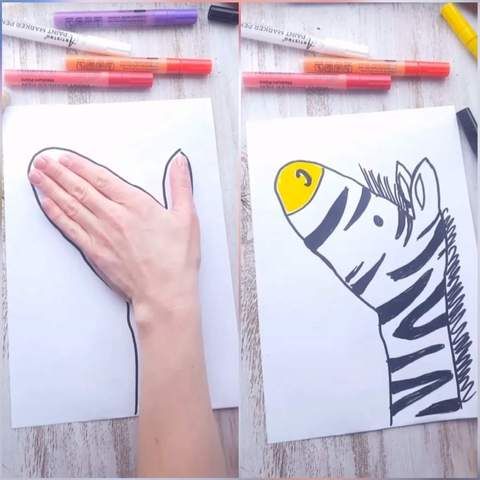
Easy Animal Drawings by Tracing Your Hand: Step-by-Step Guide
Returning to the fundamentals of art is often the most effective way to unlock new creative potential. The practice of drawing animals by tracing your hand...

Barbie Tracing Drawing: Easy Step-by-Step Tutorials for Kids
The art of Barbie tracing drawing offers a unique bridge between structured skill development and creative expression for aspiring artists. This specific...

Master QQ Letter Tracing: Fun & Easy Alphabet Practice for Kids
Mastering the fundamentals of written communication often begins with the simplest of exercises, and qq letter tracing provides a foundational pathway for...

How to Make Tracing Shapes in Canva: Easy Step-by-Step Guide
Creating precise geometric elements in Canva transforms simple designs into polished visuals, and learning how to make tracing shapes is a fundamental skill...

Trace Gun Drawing: Master the Art with Easy Step-by-Step Tutorials
Mastering the trace gun drawing technique unlocks a realm of precision for artists and designers, allowing for the creation of exceptionally clean and...

The Ultimate Guide to Tracing Flower Drawings: Easy Tutorials & Tips
Tracing flower drawing serves as a foundational practice for artists seeking to master botanical illustration. This method involves placing a reference image...