The Ultimate Guide to Tracing Flower Drawings: Easy Tutorials & Tips
Tracing flower drawing serves as a foundational practice for artists seeking to master botanical illustration. This method involves placing a reference image beneath a sheet of drawing paper to transfer the outline of petals, stems, and leaves. By following the contours of the source material, beginners build muscle memory and gain confidence in capturing organic shapes without the immediate pressure of freehand creation.
Why Artists Choose Tracing for Botanical Subjects
Unlike abstract forms, flowers present intricate details that challenge new drafters. The symmetry of a rose or the delicate veins of a lily require precision that can be intimidating. Tracing flower drawing eliminates the guesswork, allowing the artist to focus on technique rather than structure. This process builds a visual library of botanical forms that can be recalled and redrawn from memory in future work.
Tools and Materials for Success
Effective tracing relies heavily on the quality of materials used. A strong light source is critical for visibility, with light tables offering the ideal solution for seamless transfer. If a light table is unavailable, a window with natural daylight can serve the purpose. Recommended supplies include:


- Graphite pencils (2H to 2B) for varied line weight.
- Smooth Bristol paper or tracing paper for clarity.
- High-resolution reference photos to capture fine details.
Step-by-Step Methodology
Approaching a flower systematically ensures accuracy and prevents visual overwhelm. Start by identifying the largest shape—the general outline of the bloom—and block it in lightly. Gradually add secondary shapes, focusing on the arrangement of petals before committing to darker lines. Pay attention to the negative space around the flower; these shapes act as checkpoints to verify proportions.
Advanced Techniques for Realism
Once the basic structure is established, the artist can layer complexity. Observing light source direction is essential for adding volume. Use cross-hatching or stippling within the traced lines to indicate shadows and texture. For floral textures, vary the pressure on the pencil: firmer strokes for rigid petal edges and softer, smudged lines for delicate centers.


Transitioning from Tracing to Originality
The ultimate goal of tracing flower drawing is not permanent dependence on guides but the development of observational skills. After tracing, artists should attempt to redraw the flower from memory, comparing the result to the original. This iterative process bridges the gap between imitation and authentic creation, fostering a personal style rooted in botanical accuracy.
Common Pitfalls and Solutions
Artists new to this practice often encounter specific challenges. Over-tracing can result in僵硬, mechanical lines that lack the organic flow of living plants. To avoid this, lift the pencil frequently and practice graceful, continuous strokes. Another issue is poor reference selection; busy backgrounds or poor lighting can obscure essential forms. Choosing simple, high-contrast images yields the best learning outcomes.
Applications in Professional Fields
The skills honed through tracing flower drawing extend far beyond the sketchbook. Botanical illustrators rely on these methods to create accurate representations for scientific publications and field guides. Similarly, surface pattern designers use traced floral motifs to create seamless repeats for textiles and wallpaper. The marriage of technical precision and aesthetic appeal remains central to these industries.


Related Articles
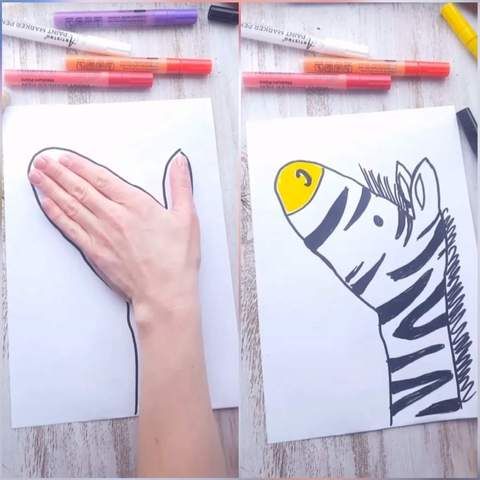
Easy Animal Drawings by Tracing Your Hand: Step-by-Step Guide
Returning to the fundamentals of art is often the most effective way to unlock new creative potential. The practice of drawing animals by tracing your hand...

Barbie Tracing Drawing: Easy Step-by-Step Tutorials for Kids
The art of Barbie tracing drawing offers a unique bridge between structured skill development and creative expression for aspiring artists. This specific...

The Ultimate Guide to How to Print Coloring Sheets: Easy Tips & Templates
Printing colouring sheets is a simple way to bring digital creativity into the physical world, whether for home entertainment, classroom activities, or...

Easy Tiger Tracing Drawing: Step-by-Step Guide for Kids
Tracing the majestic form of a tiger on paper is a rewarding pursuit that connects artists with the raw power and elegance of the natural world. This timeless...

Easy Tracing Drawing Simple: Fun Step-by-Step Guide for Beginners
Tracing drawing simple shapes and objects is often perceived as a beginner’s exercise, yet it is a foundational practice that holds immense value for artists...

Master Tracing Drawing with Pencil: Pro Techniques & Easy Tutorials
Tracing drawing with pencil is a foundational exercise that bridges the gap between observation and execution. For artists, students, and hobbyists, this...