Trace Cute Drawings: Easy Step-by-Step Tutorials & Cute Art Ideas
Tracing cute drawing unlocks a unique space where technical precision meets playful expression. This practice transforms simple lines into charming characters and objects, making it a favorite among beginners and seasoned illustrators alike. The appeal lies in the immediate satisfaction of creating something recognizable and endearing with minimal initial pressure. By focusing on familiar forms like animals, snacks, and small objects, artists build confidence while developing essential observational skills. This method serves as both a relaxing hobby and a practical exercise in foundational art techniques.
The Foundational Appeal of Cute Sketching
At its core, tracing cute drawing is about simplifying complex forms into gentle, approachable shapes. Instead of wrestling with realistic anatomy, the artist concentrates on capturing the essence of charm through curves, soft edges, and balanced proportions. This aesthetic often features large eyes, rounded bodies, and minimal detail, which trigger an innate sense of affection and warmth. The process feels accessible because the goal is not photorealism but emotional resonance. Consequently, it lowers the barrier to entry for anyone who has ever doubted their artistic ability.
Tools for Effective Line Tracing
Success in this discipline begins with the right tools, which support smooth, confident line work. A lightbox or a tablet with display capabilities is invaluable for overlaying a reference image onto your drawing surface. Alternatively, a window with natural light can serve the same purpose for low-budget setups. Pair these with quality drawing implements—such as mechanical pencils with fine leads or smooth ink fineliners—to ensure clean, consistent traces that lay the groundwork for embellishment.


Bridging Tracing and Original Creation
While tracing provides structure, the ultimate goal is to evolve from imitation to independent illustration. Once you master the outline, you can begin to modify the proportions, add personal touches like unique patterns, or change the pose to reflect your style. This transition is crucial for artistic growth, as it moves you from replicating lines to understanding how those lines interact with form and space. Over time, the traced image becomes a map rather than a destination, guiding your hand toward original concepts.
Enhancing Your Traced Artwork
After establishing the base lines, artists often elevate their work with color and texture. Soft watercolor washes can create a delicate, ethereal vibe, while opaque markers or digital brushes offer bold, vibrant statements. Shading with gentle cross-hatching or stippling adds volume, turning a flat trace into a dimensional character. Paying attention to light direction during this phase enhances the cuteness factor, giving the subject a tangible presence on the page.


Developing Consistency and Speed
Regular practice is the cornerstone of proficiency in tracing cute drawing. Setting aside dedicated time to trace different subjects helps you recognize recurring patterns in anatomy and perspective. You might start with simple spheres and hearts before moving on to complex characters like cats or fantasy creatures. This repetition hones your hand-eye coordination, allowing you to translate a vision from mind to paper with increasing speed and accuracy.
| Practice Stage | Primary Focus | Outcome |
|---|---|---|
| Initial Tracing | Line accuracy and flow | Clean, recognizable outlines |
| Shape Modification | Proportion and pose adjustment | Personalized character designs |
| Advanced Rendering | Shading, color theory, and texture | Vibrant, dimensional artwork |
Ultimately, tracing cute drawing is more than a technique; it is a pathway to visual storytelling. It invites patience, celebrates small victories, and fosters a deep appreciation for the artistry found in simplicity. By engaging with this practice consistently, you cultivate a versatile skill set that empowers you to draw joyfully, communicate visually, and share your unique perspective with the world.


Related Articles

Barbie Tracing Drawing: Easy Step-by-Step Tutorials for Kids
The art of Barbie tracing drawing offers a unique bridge between structured skill development and creative expression for aspiring artists. This specific...

Trace Gun Drawing: Master the Art with Easy Step-by-Step Tutorials
Mastering the trace gun drawing technique unlocks a realm of precision for artists and designers, allowing for the creation of exceptionally clean and...

The Ultimate Guide to Tracing Flower Drawings: Easy Tutorials & Tips
Tracing flower drawing serves as a foundational practice for artists seeking to master botanical illustration. This method involves placing a reference image...

Happy Birthday Drawing Artist: Cute Sketch Ideas & Easy Tutorials
Creating a happy birthday drawing for an artist transforms a simple greeting into a profound expression of appreciation. This specific blend of celebration and...
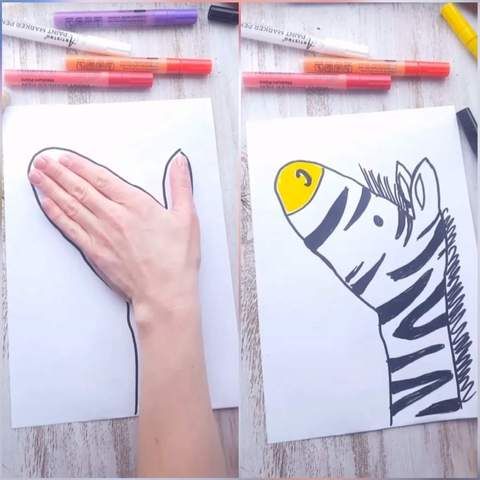
Easy Animal Drawings by Tracing Your Hand: Step-by-Step Guide
Returning to the fundamentals of art is often the most effective way to unlock new creative potential. The practice of drawing animals by tracing your hand...

Free Tracing Drawing Tutorials: Easy Step-by-Step Lessons
Tracing drawing free resources have become a cornerstone for artists, educators, and hobbyists looking to refine their skills or create stunning visuals...