Traceable Flower Drawings Easy: Step-by-Step Guide for Beginners
For artists and crafters seeking a seamless blend of structure and creativity, traceable flower drawings easy methods offer the perfect solution. This approach removes the initial barrier of the blank page, allowing you to focus on the meditative act of drawing and the beauty of nature’s forms. Whether you are a parent looking for calming activities for a child, a beginner building confidence, or a seasoned artist needing a reliable template, easy tracing provides an accessible entry point into botanical illustration.
Why Traceable Flower Drawings Are a Smart Starting Point
The primary advantage of using traceable flower drawings easy templates is the confidence they instill. New artists often feel paralyzed by the pressure to create something "from scratch," leading to frustration and abandonment of the project. By starting with a defined outline, you eliminate the guesswork regarding proportions and placement. This allows you to concentrate on developing your technique, such as applying pressure for shading or refining the curve of a petal, without worrying about the foundational structure.
Bridging the Gap to Freehand Drawing
Traceable flower drawings easy serve as an excellent educational stepping stone. Think of the traced outline not as a crutch, but as a guided map for your hand. As you follow the lines, you are subconsciously studying the shape, the negative space, and the relationship between different parts of the flower. Over time, this muscle memory and spatial awareness develop, making it significantly easier to replicate the same flower freely, without the need for a guide.


- Builds Muscle Memory: Repeated tracing helps train your hand to mimic common floral shapes and curves.
- Reduces Anxiety: Eliminates the fear of making a mistake on a blank sheet.
- Focuses on Technique: Frees up mental energy to practice shading, blending, and texturing.
Finding High-Quality and Diverse Templates
The quality of the traceable flower drawings easy you choose can dramatically impact your experience. Low-resolution images or overly complex sketches with ambiguous lines can be counterproductive. Look for resources that offer clear, bold outlines with varying weights. High-quality templates ensure that the defining features of the flower—such as the intricate veins on a leaf or the delicate ridges of a rose petal—are distinct and easy to follow.
| Flower Type | Difficulty Level | Best For |
|---|---|---|
| Simple Daisy | Beginner | Learning basic petal shapes |
| Tulip | Beginner | Practicing smooth curves |
| Orchid | Intermediate | Refining detail and complex forms |
| Peony | Intermediate | Mastering layered petals |
Themed Collections for Creative Projects
To keep your practice engaging, seek out themed collections of traceable flower drawings easy. Instead of random sketches, you might find sets focused on garden wildflowers, tropical blooms, or seasonal arrangements. This is particularly useful for creating cohesive art pieces, such as a series of botanical prints for a greeting card collection or a border design for a journal. Theming helps tell a visual story and adds a professional touch to your work.


When utilizing these templates, consider the medium you will apply. Tracing for a pencil sketch requires different precision than tracing for watercolor or digital coloring. If you are tracing for print, ensure the lines are clean enough to be reproduced clearly. For mixed media, you might even trace lightly with a pencil and then trace over the lines with a pen to create a permanent guide before adding color.
Integrating Traceable Art into Your Daily Practice
Incorporating traceable flower drawings easy into your routine is a low-commit way to maintain artistic momentum. On days when inspiration feels scarce, spending 15 minutes tracing a complex bloom can be incredibly satisfying. It keeps your hand active and your eye trained on detail. Furthermore, tracing allows you to experiment with styles you might not yet feel confident creating freehand, such as hyper-realism or intricate mandala-style florals.
Ultimately, the goal of using traceable flower drawings easy is not to create a permanent dependency, but to build a solid foundation. As you become more comfortable with the shapes and structures locked within these guides, you will find your mind naturally recalling them. This transition from guided trace to freehand creation is a rewarding milestone, proving that even the most organic forms begin with a simple, guided line.


Related Articles
The Ultimate Guide to Tracing Flower Drawings: Easy Tutorials & Tips
Tracing flower drawing serves as a foundational practice for artists seeking to master botanical illustration. This method involves placing a reference image...

Easy Tracing Drawing Simple: Fun Step-by-Step Guide for Beginners
Tracing drawing simple shapes and objects is often perceived as a beginner’s exercise, yet it is a foundational practice that holds immense value for artists...

Happy Birthday Easy Drawings: Simple Step-by-Step Tutorials for Kids (and Beginners!)
There is a unique magic in transforming a simple wish into a visual representation, and few things capture this joy as effectively as a happy birthday easy...

Traceable Lips: Easy Drawing Guide for Beginners
Mastering the art of the traceable lip outline is a foundational skill that separates tentative sketching from confident, precise illustration. This technique...
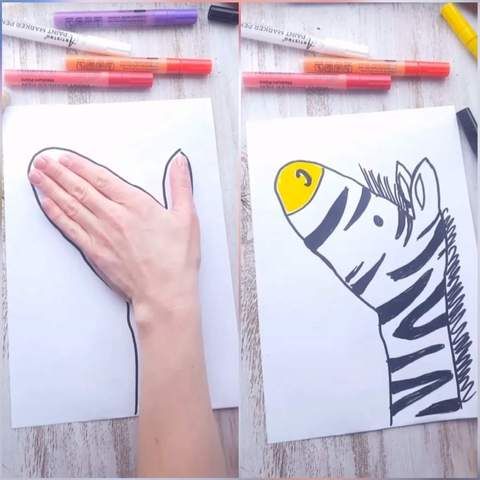
Easy Animal Drawings by Tracing Your Hand: Step-by-Step Guide
Returning to the fundamentals of art is often the most effective way to unlock new creative potential. The practice of drawing animals by tracing your hand...
Happy Birthday Drawings Easy Cute: Step-by-Step Guide for Kids
Creating happy birthday drawings easy cute is one of the most delightful ways to add a personal touch to a celebration. Whether you are a parent looking to...