Decode the Parrot Colour Code: Unlock Secrets & Standards
Understanding the parrot colour code is essential for anyone involved in the care, breeding, or identification of psittacines. These intelligent and vibrant birds exhibit a stunning array of plumage, and the specific codes assigned to these colours serve as a universal language for breeders and enthusiasts. This system allows for precise record-keeping and helps maintain the genetic integrity of specific mutations over generations.
What is a Parrot Colour Code?
A parrot colour code is a standardized alphanumeric system used to identify and catalog the specific colour mutations of a bird. Unlike simple colour names, these codes provide a unique identifier that encapsulates the genetics and appearance of the individual. This is particularly important in the world of competitive showing and professional breeding, where slight variations in shade or pattern can significantly impact a bird's value and recognition. The code ensures clarity and eliminates the ambiguity that common names often create.
The Structure of the Code
Typically, a parrot colour code follows a logical structure that breaks down the bird's appearance into key components. While formats can vary slightly between species and registries, the general format often includes elements that denote the base colour, dilution factors, and special markings. This systematic approach allows experts to quickly understand the visual characteristics of a bird just by looking at its identifier.


Base Colours and Modifiers
The foundation of any code is the base colour of the species. For example, an African Grey is usually represented by a specific base code, while a Blue and Gold Macaw will have a completely different starting point. Modifiers are then appended to this base code to indicate dilutions, such as blues, lutinos, or pieds. These modifiers are crucial as they transform the wild-type appearance into the spectacular variations beloved by hobbyists.
Importance for Breeders and Owners
For breeders, the parrot colour code is a vital tool for planning pairings and predicting offspring. By understanding the codes of potential mates, a breeder can strategically combine genes to produce specific desirable traits, such as a particular colour intensity or pattern. For owners, the code provides a concise way to document a pet's unique appearance on medical records or insurance paperwork, ensuring accurate identification.


Documentation and Pedigrees
Accurate documentation is the backbone of responsible avian husbandry. A parrot colour code is the primary entry in a bird's pedigree, a genetic history that follows it throughout its life. This pedigree is used by serious breeders to avoid inbreeding, track lineage, and certify the authenticity of rare mutations. Without these codes, the complex lineage of generations would be nearly impossible to manage effectively.
| Base Colour | Modifier | Resulting Code Description |
|---|---|---|
| Grey (Wild Type) | Blue Dilution | Indicates an African Grey with blue mutations |
| Green | Blue Dilution + Lutino | Represents a specific hybrid colour combination |
| Yellow | Intense Blaze | Denotes a high-intensity colour mutation in parakeets |
Standardization Across Species
While the specific letters and numbers differ, the concept of a colour code is universal across the parrot world. Whether you are looking at a Macaw, an Amazon, or a Conure, the logic behind the code remains consistent. This standardization allows the global community to communicate effectively about birds, regardless of the specific species they specialize in. It bridges the gap between continents and experience levels.
How to Find Your Bird's Code
Determining the correct parrot colour code for your pet or bird requires some research or consultation with an expert. Breeders often provide the code on weaning certificates or band documentation. Online forums and species-specific clubs are excellent resources for learning the lexicon of your particular bird. By learning to read these codes, you gain a deeper appreciation for the genetics and beauty of your feathered companion.


Related Articles

German Taxi Colour Code: Decode the Stripes & Flags
At first glance, navigating the streets of any major German city might present a visual puzzle: a sea of black, silver, and grey taxis blending into the...

Heart Color Emoji Meaning: Decode ❤️💕💖 Shades & Secrets
The ❤️ red heart emoji is far more than a simple digital decoration; it is the cornerstone of emotional expression in the modern lexicon. As the most...

The Ultimate Red Data Book Color Code Guide: Decode Standards Fast
When discussing environmental conservation and the protection of endangered species, the term red data book frequently appears in scientific and regulatory...

The Ultimate Color Vision Test Book: Decode Hidden Color Blindness Secrets
For professionals in healthcare, education, and vision science, the color vision test book remains a fundamental tool for assessing chromatic perception. This...
Parrot Color Hex Code: Find the Perfect RGB Shade
Understanding the parrot color hex code is essential for designers, artists, and digital creators who want to capture the vibrant essence of these stunning...
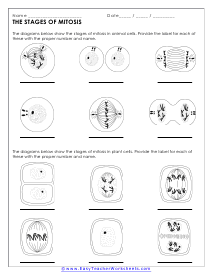
Unit 6 Meiosis Coloring Worksheet: Unlock the Secrets of Cell Division
Navigating the complexities of advanced biology often requires specific tools to reinforce intricate cellular processes. For educators and students tackling...