Molecular Evidence of Evolution: Cytochrome C Worksheet – Unlock the Genetic Code
Analyzing the molecular evidence of evolution cytochrome c worksheet provides students and researchers with a tangible method to quantify the genetic divergence between species. This specific protein serves as an ideal case study for modern comparative biology because it is highly conserved, yet contains measurable variations across different organisms. By working through a dedicated worksheet, individuals can translate abstract concepts of mutation rates and phylogenetic trees into concrete numerical data that supports the theory of common descent.
Understanding Cytochrome c as a Molecular Clock
Cytochrome c is a small protein found in the mitochondria of eukaryotic cells, playing a critical role in the electron transport chain during aerobic respiration. From an evolutionary standpoint, the gene encoding this protein changes very slowly over time due to strong purifying selection; mutations that alter its structure are often detrimental to the organism. This relative stability makes cytochrome c an excellent molecular clock, allowing scientists to estimate the time of divergence between species by comparing amino acid sequences. A well-designed molecular evidence of evolution cytochrome c worksheet will highlight these principles, explaining why this molecule is a reliable marker for tracking lineage splits on the tree of life.
The Data Behind the Comparisons
Worksheets focusing on this topic typically present a table of sequence data, listing the amino acid sequences of cytochrome c from various organisms ranging from humans to yeast. The core task involves comparing these sequences to identify identical residues and point mutations. This process transforms raw biological data into a learning exercise where patterns of similarity become visually apparent. Students can see, for example, that humans share a nearly identical sequence with chimpanzees but a markedly different one with invertebrates like insects, providing direct evidence of varying evolutionary rates.


| Organism | Common Name | Amino Acid Differences from Human |
|---|---|---|
| Homo sapiens | Human | 0 |
| Pan troglodytes | Chimpanzee | 0 |
| Mus musculus | Mouse | 7 |
| Gallus gallus | Chicken | 13 |
| Saccharomyces cerevisiae | Yeast | 44 |
Interpreting the Phylogenetic Implications
Beyond simple comparison, a molecular evidence of evolution cytochrome c worksheet guides the learner in constructing a phylogenetic tree based on the calculated differences. By applying principles such as the assumption of a constant mutation rate, individuals can infer the branching order of species. The worksheet often prompts the user to align sequences and calculate genetic distance, which serves as the foundation for building these diagrams. This activity directly connects molecular data to the macroscopic concept of speciation, demonstrating how accumulated changes lead to the diversity of life.
Connecting Molecular Biology to Macroevolution
One of the primary educational goals of this worksheet is to bridge the gap between microevolutionary mechanisms and the grand narrative of evolutionary history. While Darwin lacked the ability to analyze proteins, the modern student can utilize amino acid sequences to validate his theories. The worksheet allows for a hands-on verification of the principle that organisms which share a more recent common ancestor will exhibit fewer genetic differences. This tangible link between biochemistry and taxonomy reinforces the unity of life at the most fundamental level.


Limitations and Contextual Understanding
It is essential for a comprehensive worksheet on this subject to address the limitations of using a single protein for evolutionary analysis. While cytochrome c is useful, researchers today rely on genomic data from thousands of genes to build robust phylogenies. A high-quality worksheet will prompt critical thinking by asking students to consider why natural selection constrains this particular protein. This context ensures that learners understand that molecular evidence is one piece of a larger puzzle, rather than an isolated fact, fostering a deeper appreciation for the scientific method.
Application in Modern Research
The principles practiced in a molecular evidence of evolution cytochrome c worksheet remain directly applicable to contemporary scientific research. Modern phylogenetics utilizes the same foundational concepts—sequence alignment, genetic distance calculation, and tree construction—but with vastly more sophisticated computational tools. Understanding the basics through a worksheet provides the necessary background for appreciating current studies on viral evolution, conservation biology, and the classification of newly discovered species. Mastery of this data set empowers students to engage with primary literature in the field.


Related Articles

DNA Coloring Worksheet: Unlock the Genetic Code!
For educators and parents seeking engaging biology resources, the DNA coloring worksheet stands out as a powerful pedagogical tool. This specific activity...

Molecular Biology Cytochrome C Worksheet Answers: Key Concepts & Practice
Navigating the complexities of cellular respiration often leads students to the pivotal role of electron transport chains, where the properties of molecular...

Human Skin Color Evolution: Selection Evidence Worksheet
Understanding human skin color evidence for selection worksheet requires a deep dive into the biological and environmental factors that shaped modern human...

DNA Replication Coloring Worksheet: Unlock the Secrets of Genetic Duplication
Mastering the complex choreography of genetic inheritance starts with understanding the molecular machinery behind it, and a DNA replication coloring worksheet...

Color DNA Worksheet: Unlock the Genetic Rainbow
Color DNA worksheet activities represent a fascinating intersection of art, science, and education, providing a tangible way to explore the abstract concept of...
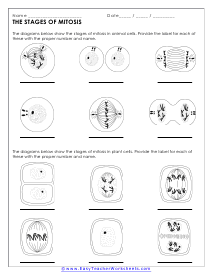
Unit 6 Meiosis Coloring Worksheet: Unlock the Secrets of Cell Division
Navigating the complexities of advanced biology often requires specific tools to reinforce intricate cellular processes. For educators and students tackling...