How to Get Food Coloring Off Bed Sheets: Stain Removal Tips
Freshly laundered sheets are the epitome of comfort, so discovering an unintended streak of color is a uniquely stressful experience. Whether the culprit is a vibrant blue from a toddler’s bedtime snack or a bold pink from a midnight snack spill, food coloring has an uncanny ability to cling to fabric fibers. The key to restoring your linens lies not in panic, but in a methodical approach that addresses the stain before it sets permanently.
Understanding the Stain
Food coloring is a water-based dye designed to bind to surfaces, which makes it particularly tricky on porous materials like cotton or linen. Unlike a solid pigment, the dye penetrates deeply into the threads, so surface-level cleaning is ineffective. Time is the critical enemy here; the longer the dye remains on the fabric, the more likely it is to oxidize and bond permanently. Acting quickly with the right solvents is essential to break down the dye molecules before they settle in.
Immediate Rinsing Techniques
Your first line of defense should always be immediate flooding with cold water. Hot water will cause the dye to set, much like blanching vegetables, so you must resist the instinct to use warmth. Hold the stained area directly under a running cold tap, allowing the water to push the dye out of the fibers rather than deeper into them. You should flush the spot for a full 10 to 15 minutes, ensuring the water runs clear of any excess color before proceeding to the next step.


Targeted Treatment Solutions
Once the initial bleeding has been managed, you need to apply a targeted cleaning agent to lift the remaining dye. The most effective household solution is a mixture of liquid dish soap and white vinegar. The dish soap acts as a surfactant, breaking down the oily components of the dye, while the vinegar helps to neutralize any alkaline residues and brighten the fabric. For stubborn spots, a paste of baking soda and water can provide a gentle abrasive action without damaging the material.
Applying the Cleaning Agent
Apply the chosen cleaning solution directly to the affected area while the sheet is still damp. Use a clean cloth or your fingertips to work the solution deep into the stain, gently massaging it in a circular motion. Avoid rubbing harshly, as this can cause the fibers to pill or fray. Allow the treatment to sit for a minimum of 15 minutes; this dwell time is crucial for the chemistry to break down the remaining color particles.


The Wash Cycle
After the treatment has had time to work, it is time to commit the sheet to the washing machine. Check the care label to confirm the water temperature, but default to cold water if you are unsure. Add your regular laundry detergent and include a full scoop of oxygen-based bleach, such as hydrogen peroxide or a product like OxiClean. Oxygen bleach is highly effective at lifting organic dyes without the harshness of chlorine, which can weaken fabric over time.
Drying Protocols
This stage is critical and often overlooked. Never place the sheet in the dryer until you are certain the stain is gone. The heat from the dryer will permanently set any remaining dye, rendering the spot impossible to remove in a subsequent wash. Instead, hang the sheet to air dry in direct sunlight if possible; the natural UV rays act as a natural bleach. If a faint outline of the stain remains after air drying, repeat the treatment process before resorting to machine drying.
Advanced Considerations
If the sheet is colored or printed, you must exercise extra caution to avoid bleaching the design. In this scenario, stick strictly to oxygen-based cleaners and avoid chlorine bleach altogether, as it can react unpredictably with dyes. For delicate fabrics like silk or wool, standard dish soap may be too aggressive. It is best to use a specialized wool or silk detergent and consult a professional cleaner if the stain persists, as home remedies can sometimes cause more damage than the stain itself.


| Stain Severity | Recommended Action | Drying Method |
|---|---|---|
| Fresh/Damp | Cold water flush & mild detergent | Air dry |
| Set/Stubborn | Vinegar & baking soda paste + oxygen bleach | Air dry |
| Heat Set | Professional cleaning required | N/A |


Related Articles
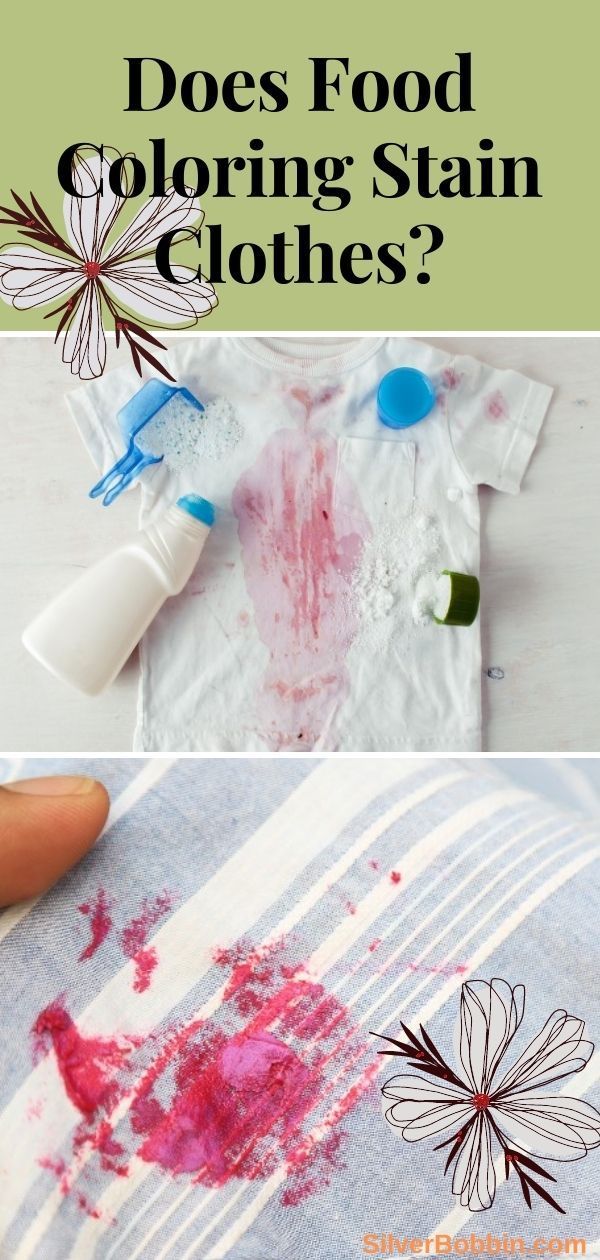
Does Food Coloring Come Out of Clothes? Easy Stain Removal Tips
The short answer to whether food coloring comes out of clothes is a resounding yes, but the journey to removal is rarely simple. These vibrant dyes are...

Cute Junk Food Coloring Pages: Free Printable Sheets for Kids
For parents and educators seeking creative outlets for children, cute junk food coloring pages present a delightful intersection of imagination and everyday...

The Ultimate Guide to How to Print Coloring Sheets: Easy Tips & Templates
Printing colouring sheets is a simple way to bring digital creativity into the physical world, whether for home entertainment, classroom activities, or...

Soaring Dragons: Free Printable Coloring Sheets & Training Tips
Engaging with "how to train a dragon coloring sheets" offers a unique bridge between the structured discipline of art and the whimsical world of DreamWorks...

How to Get Crayon Out of Sheets: Easy Stain Removal Guide
Discovering a crayon has melted all over your pristine white bed sheets can be a moment of pure panic. While the situation looks dire, removing crayon from...

Food Pantry Coloring Pages: Fun & Free Printable Sheets
Food pantry coloring pages represent a unique intersection of community service and creative expression, offering a simple yet powerful tool for engagement...