Does Food Coloring Come Out of Clothes? Easy Stain Removal Tips
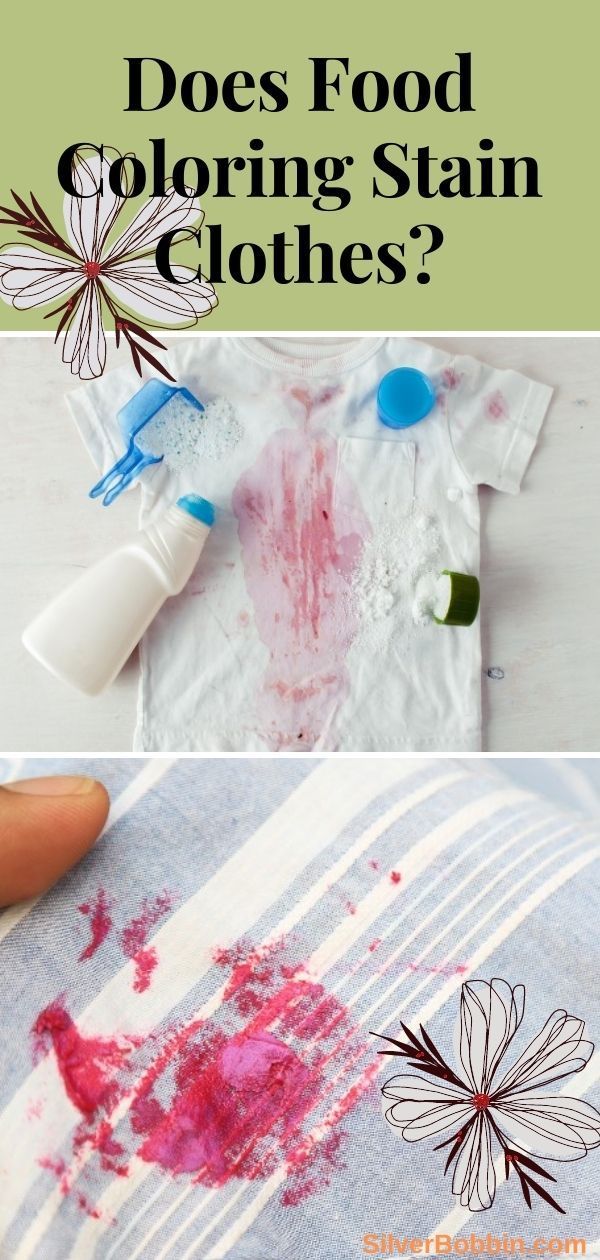
The short answer to whether food coloring comes out of clothes is a resounding yes, but the journey to removal is rarely simple. These vibrant dyes are engineered to bind permanently to the proteins and fibers in food, which means they are equally stubborn when they attach to your favorite shirt or dress. Acting quickly is the single most critical step, but understanding the type of dye and the fabric you are dealing with dictates the entire rescue operation.
Decoding the Dye: Water-Based vs. Synthetic
Not all food coloring is created equal, and this distinction is vital for effective stain removal. You are typically fighting two categories: water-based dyes and synthetic gel dyes. The standard liquid dyes found in baking aisles are water-soluble, making them vulnerable to rinsing and dissolving. However, the intense, vibrant gels and paste dyes often contain more concentrated pigments and synthetic compounds that cling aggressively to fabric. Identifying the culprit—was it a leaky bottle or a child’s art project?—will determine the chemistry you use to fight it.
The Immediate Response: Flush, Don't Rub
Time is the enemy of the food coloring stain, but panic is your foe. Rubbing the fabric together forces the dye deeper into the fibers, setting the stain permanently. Instead, you must flush the area with a powerful solvent. Run the back of the stain under a cold water tap, pushing the dye out of the fabric rather than driving it in. You will see the water run clear as the dye is flushed away; stop flushing only when the runoff is no longer colored. This physical removal is the most effective initial defense.


Tackling the Set-In Stain
If the garment has already dried, the stain has likely set, and you need to deploy chemical agents. Rubbing alcohol, also known as isopropyl alcohol, is a powerful solvent that breaks down synthetic dyes without damaging most fabrics. Apply it to a clean cloth and blot the stain from the outside inward to prevent spreading. For organic fabrics like cotton, hydrogen peroxide mixed with baking soda creates a powerful oxygen bleach paste that lifts the pigment. Vinegar can also work to neutralize alkaline dye molecules, particularly for stubborn spots that refuse to budge.
Mix one part vinegar to two parts water; soak.


| Stain Remover | Best For | Notes |
|---|---|---|
| Rubbing Alcohol | Gel dyes & Synthetic stains | Apply with a cloth; lift, don't rub. |
| Liquid Laundry Detergent | Fresh water-based stains | Work it into the fibers under cold water. |
| Vinegar Solution | Set stains on colored fabrics | |
| Oxygen Bleach | White or colorfast fabrics | Soak for several hours; safe for colors. |
Navigating Fabric Sensitivities
Your fabric dictates your strategy. Delicate materials like silk and wool are prone to damage from alcohol and harsh chemicals; for these, a specialized enzyme-based stain remover or professional cleaning is often the safest route. Cotton and linen are durable and generally respond well to alcohol and oxygen bleaches. Always check the care label and test any cleaning solution on an inconspicuous seam or hem before attacking the visible stain. Preserving the integrity of the fabric is just as important as removing the color.
Washing and the Final Check
Once the stain appears to be gone, resist the temptation to toss the item in the dryer. Heat from a dryer will permanently set any remaining dye particles, rendering the garment unusable. Air-dry the item completely. Once dry, inspect the area under good lighting. If a shadow of the stain remains, repeat the treatment process. Only when the spot is truly invisible should you proceed to a normal wash cycle with your regular detergent to eliminate any lingering residue.
Prevention is the ultimate hack in the battle against food coloring stains. When baking with children or working with vibrant dyes, lay down a waterproof tablecloth or wear an apron you can sacrifice. By treating the stain with the right solvent and avoiding the heat of a dryer, you can usually rescue even the most colorful mishaps.


Related Articles

How to Get Food Coloring Off Bed Sheets: Stain Removal Tips
Freshly laundered sheets are the epitome of comfort, so discovering an unintended streak of color is a uniquely stressful experience. Whether the culprit is a...

How to Make Vibrant Purple Cake with Food Coloring – Easy Recipe & Tips
Creating a vibrant purple cake starts with understanding the science of color mixing. While standard gel food coloring provides the most intense results...

Can You Add Food Coloring to Fondant? Easy Tips & Tricks
When you are working with fondant, one of the most common questions that arises during the decorating process is whether you can add food coloring to fondant...

Does Food Coloring Come from Bugs? The Shocking Truth Behind the Color
When you check the ingredient list on a vibrant red drink or a bright blue candy, you might see a component listed as carmine, cochineal, or natural red 40...

Vibrant Colors to Make with Food Coloring: Easy Recipes & Ideas
Food coloring transforms ordinary cooking into a vibrant experience, turning a simple batter or frosting into a visually stunning masterpiece. Understanding...

The Ultimate Guide to How to Print Coloring Sheets: Easy Tips & Templates
Printing colouring sheets is a simple way to bring digital creativity into the physical world, whether for home entertainment, classroom activities, or...