Easy Girl Tracing Drawings: Simple Step-by-Step Tutorials
For anyone stepping into the world of visual art, the journey often begins with the simplest of marks. The pursuit of girl tracing drawing easy serves as the perfect entry point for beginners, offering a structured path to understanding form and proportion without the pressure of creating from scratch. This method transforms the complex task of drawing a human figure into a manageable and rewarding exercise, laying the foundational skills required for more advanced artistic endeavors.
Why Tracing is a Valuable Learning Tool
Contrary to the misconception that tracing is a form of cheating, it is widely recognized by art educators as a critical pedagogical technique. When engaging in girl tracing drawing easy exercises, the artist is not simply copying; they are actively training their eye to recognize spatial relationships, line weight, and contour. This process builds muscle memory in the hand, teaching it to follow a path with confidence and control. It effectively bridges the gap between what the brain envisions and what the hand can execute, making it an indispensable part of the developmental process for any new artist.
The Cognitive Benefits of Guided Practice
Breaking down the intricate structure of the human face into simplified lines removes the cognitive overload that often paralyzes beginners. By focusing on following a pre-drawn guide, the artist can bypass the anxiety of the blank page and concentrate solely on the mechanics of drawing. This focused practice allows for the development of steady hand-eye coordination and an understanding of how different facial features relate to one another in size and placement. It is a low-stakes environment where mistakes are merely part of the line, fostering a sense of accomplishment that encourages continued practice.


Selecting the Right Reference Images
The quality of the tracing guide is paramount to the learning experience. When searching for girl tracing drawing easy templates, it is essential to choose images with clear, bold outlines that define the primary shapes of the face. Look for references that feature a neutral, straight-on view to avoid the complexity of perspective in the early stages. High-contrast images with minimal background clutter ensure that the artist can isolate the subject matter easily, allowing the hand to move fluidly along the intended path without distraction.
| Feature | Beginner Friendly | Progression Level |
|---|---|---|
| Clear, Thick Outlines | ✅ Highly Recommended | Foundational |
| Simple Geometric Shapes | ✅ Essential | Intermediate |
| Detailed Shading | ⚠️ Avoid Initially | Advanced |
Transitioning from Tracing to Sketching
While tracing provides the initial framework, the ultimate goal is to develop the ability to recreate these forms independently. Once comfort is gained with the traced outlines, the artist should begin to analyze the underlying structure. This involves breaking the traced image into basic shapes like circles and ovals before attempting to draw the face freehand. Gradually, the artist can use the traced version as a light reference, drawing over it lightly and then moving the hand to create the same shapes without the guide, thus internalizing the proportions.


Mastering Proportion and Symmetry
A common challenge for newcomers is achieving symmetry and correct facial proportions. Tracing exercises specifically designed for girls often highlight the central axis of the face, serving as a visual guide for the placement of eyes, nose, and mouth. By carefully observing where these features land in relation to the traced hairline and chin, the artist learns the fundamental ratios that define a balanced human face. This knowledge is transferable, providing a mental checklist that proves invaluable in future, non-tracing endeavors.
Building Confidence Through Repetition
The true power of girl tracing drawing easy lies in the consistency of practice. Dedicating a few minutes each day to tracing different expressions and hairstyles builds a repository of visual knowledge. This repetition normalizes the lines and curves of the female face, demystifying the drawing process. Over time, the hand becomes more obedient, and the artist gains the confidence to move beyond the tracing paper, ready to capture the unique character of a face with original linework and personal style.


Related Articles

Barbie Tracing Drawing: Easy Step-by-Step Tutorials for Kids
The art of Barbie tracing drawing offers a unique bridge between structured skill development and creative expression for aspiring artists. This specific...

The Ultimate Guide to Tracing Flower Drawings: Easy Tutorials & Tips
Tracing flower drawing serves as a foundational practice for artists seeking to master botanical illustration. This method involves placing a reference image...

Easy Tracing Drawing Simple: Fun Step-by-Step Guide for Beginners
Tracing drawing simple shapes and objects is often perceived as a beginner’s exercise, yet it is a foundational practice that holds immense value for artists...

Happy Birthday Easy Drawings: Simple Step-by-Step Tutorials for Kids (and Beginners!)
There is a unique magic in transforming a simple wish into a visual representation, and few things capture this joy as effectively as a happy birthday easy...
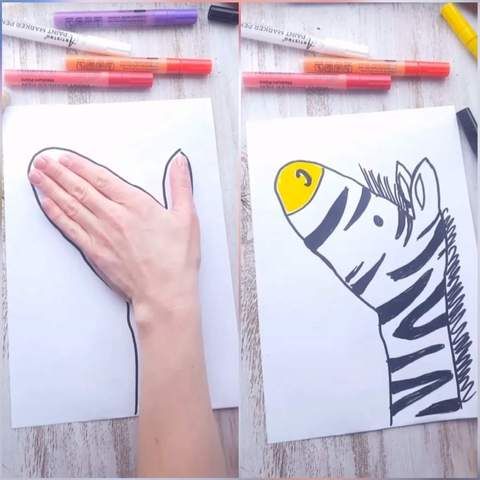
Easy Animal Drawings by Tracing Your Hand: Step-by-Step Guide
Returning to the fundamentals of art is often the most effective way to unlock new creative potential. The practice of drawing animals by tracing your hand...
Free Tracing Drawing Tutorials: Easy Step-by-Step Lessons
Tracing drawing free resources have become a cornerstone for artists, educators, and hobbyists looking to refine their skills or create stunning visuals...