DNA Replication Color Worksheet: Unlock the Secrets of Life’s Copy Machine
Understanding the intricate process of molecular biology often begins with a visual representation, and the dna replication color worksheet serves as an exceptional educational tool. This specific resource transforms the abstract mechanics of semiconservative replication into a tangible, engaging activity for students. By assigning distinct colors to nucleotides and templates, learners can physically map the process, clarifying how genetic information is meticulously preserved and duplicated. The act of coloring converts a complex biochemical procedure into a hands-on exercise that enhances spatial reasoning and retention.
The Science Behind the Diagram
At its core, DNA replication is a highly orchestrated biological event ensuring genetic continuity during cell division. The double helix must unwind, and each strand acts as a template for the creation of a new complementary strand. A dna replication color worksheet visually demystifies this by isolating the components: the original parent strands and the synthesized daughter strands. Typically, key enzymes such as helicase, which unzips the DNA, and DNA polymerase, which builds the new strand, are labeled within the diagram. This labeling provides the necessary context for students to understand not just the "how" but the "why" behind the molecular interactions.
Utilizing the Color Key
The effectiveness of the worksheet hinges entirely on the structured color key provided. This key usually dictates that one color represents adenine (A), another thymine (T), and so forth for cytosine (C) and guanine (G). Because adenine always pairs with thymine and cytosine always pairs with guanine, the coloring process naturally demonstrates the strict base-pairing rules of nucleotides. As students apply the colors, they are essentially reconstructing the molecular architecture of DNA. This visual reinforcement helps solidify the concept that the sequence of one strand directly dictates the sequence of its partner, a fundamental principle of genetics encoded in the double helix.


Educational Benefits and Applications
In a classroom setting, the dna replication color worksheet functions as more than just a time-filler; it is a cognitive scaffold. Visual learners benefit from seeing the replication fork advance as they color, while kinesthetic learners gain satisfaction from the physical act of filling in the strands. Teachers often use this worksheet to gauge student comprehension quickly; the accuracy of the color patterns reveals whether the individual understands which strand is leading versus lagging, or where Okazaki fragments would appear. It bridges the gap between theoretical textbook diagrams and practical biological understanding, making the invisible world of the cell accessible.
Advanced Concepts Simplified
For more advanced biology students, the worksheet can be expanded to illustrate the nuances of the process. Instructors might introduce concepts such as RNA primers, which initiate synthesis, or the role of ligase, which seals the nicks between fragments on the lagging strand. By incorporating these elements into the color scheme, the worksheet evolves from a basic identification tool into a detailed map of enzymatic activity. This allows students to visualize the discontinuous nature of one strand compared to the continuous synthesis of the other, a distinction that is often difficult to grasp through passive listening alone.


Integrating Technology and Traditional Learning
While digital simulations are prevalent, the humble dna replication color worksheet retains significant value in the modern educational landscape. It offers a screen-free break that encourages focused, manual dexterity alongside mental engagement. Furthermore, it serves as an excellent review tool before exams, providing a condensed summary of the replication process. Students can easily annotate the margins with notes about enzymes or highlight areas where they previously struggled. This blend of tactile activity and academic content creates a durable memory anchor that purely digital formats may not always achieve.
Conclusion to the Learning Journey
A well-designed dna replication color worksheet acts as a microcosm of the scientific method, turning complex data into organized, color-coded information. It empowers students to take an active role in their education, transforming passive observation into active creation. By engaging with this material visually and physically, learners build a robust mental model of DNA synthesis. Ultimately, this simple sheet of paper and a set of colored pencils lay the foundation for a deeper appreciation of molecular genetics, proving that sometimes, the most effective education is the kind you can color yourself.


Related Articles

Master Color Addition and Subtraction Worksheet Physics – Unlock Light Spectrum Secrets
Understanding color addition and subtraction is fundamental to grasping how we perceive light and color in our physical world, forming the bedrock for physics...

DNA Replication Coloring Worksheet: Unlock the Secrets of Genetic Duplication
Mastering the complex choreography of genetic inheritance starts with understanding the molecular machinery behind it, and a DNA replication coloring worksheet...
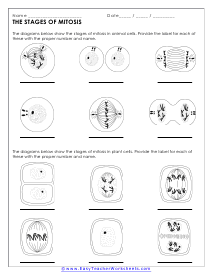
Unit 6 Meiosis Coloring Worksheet: Unlock the Secrets of Cell Division
Navigating the complexities of advanced biology often requires specific tools to reinforce intricate cellular processes. For educators and students tackling...

Dino Color Regions: Unlock the Secrets of Dinosaur Pigmentation Patterns
Dino color regions represent the specific zones on a dinosaur's body where distinct pigments and patterns converge, creating the visual tapestry that defined...

Hidden Pictures Coloring Book: Unlock & Color the Secrets
The hidden pictures coloring book has evolved from a simple pastime into a sophisticated tool for mindfulness and creative expression. Far removed from the...

Unlock the Mystery of Turkish Colored Eyes: Hazel, Green, and Blue Secrets
The spectrum of Turkish eye color is a captivating subject, blending genetics, history, and cultural identity. While the deep brown eyes are statistically the...