World Food Coloring Pages: Fun & Educational Kids Activities
World food coloring pages offer a vibrant gateway to explore global cultures through art. These printable sheets transform familiar meals into intricate patterns, turning a simple kitchen activity into an educational journey. By combining the universal language of food with the creative act of coloring, these pages provide an accessible tool for learning about geography and traditions. This medium invites both children and adults to engage with the visual diversity of international cuisine, fostering an early appreciation for the world’s rich heritage one color at a time.
The Educational Value of Culinary Art
Beyond mere entertainment, world food coloring pages serve as a powerful pedagogical instrument. The act of selecting colors for specific dishes encourages users to research and understand the cultural context behind the food. For instance, coloring a steaming bowl of Japanese ramen requires consideration of its savory broth and toppings, prompting curiosity about Japanese dining customs. Similarly, filling the details of a Mexican taco involves learning about its regional variations and fresh ingredients. This interactive process transforms passive learning into an active, memorable experience that reinforces geography and cultural studies.
Benefits for Child Development
For children, these coloring sheets are more than just fun; they are essential tools for growth. The precise movements required to stay within the lines enhance fine motor skills and hand-eye coordination. As they choose colors for ingredients like spices, fruits, or noodles, children exercise their decision-making abilities and expand their color theory knowledge. The pages also stimulate conversation, as parents and teachers can use the images to discuss where food comes from and how different nations eat. This blend of creativity and conversation supports cognitive and social development in a screen-free environment.


Diverse Themes from Around the Globe
The variety found within world food coloring pages is staggering, ensuring there is something to captivate every interest. Some collections focus on specific continents, offering a deep dive into European pastries, Asian street food, or African stews. Other sets take a holistic approach, presenting a smorgasbord of icons from every corner of the earth. This thematic diversity allows users to follow a structured learning path or simply explore based on personal cravings and curiosity. The range ensures that the activity remains fresh and engaging for repeated use.
- Iconic dishes representing national cuisines.
- Seasonal and festive foods from various cultures.
- Spices and herbs that define regional flavors.
- Traditional cooking utensils and preparation methods.
- Markets and food stalls from different countries.
- Celebratory meals and ceremonial dishes.
Design and Detail for All Ages
High-quality world food coloring pages are designed with varying levels of complexity to suit different age groups and skill levels. Younger children can enjoy sheets with bold outlines and simpler shapes, making the activity easy and confidence-boosting. Older children and adults seeking a challenge can opt for pages with intricate patterns, detailed textures, and realistic ingredient representations. This scalability means the art form is not limited to a single demographic; it is a hobby that families can share, with each member finding their own level of engagement and enjoyment in the detailed illustrations.


Integrating Culture and Cuisine
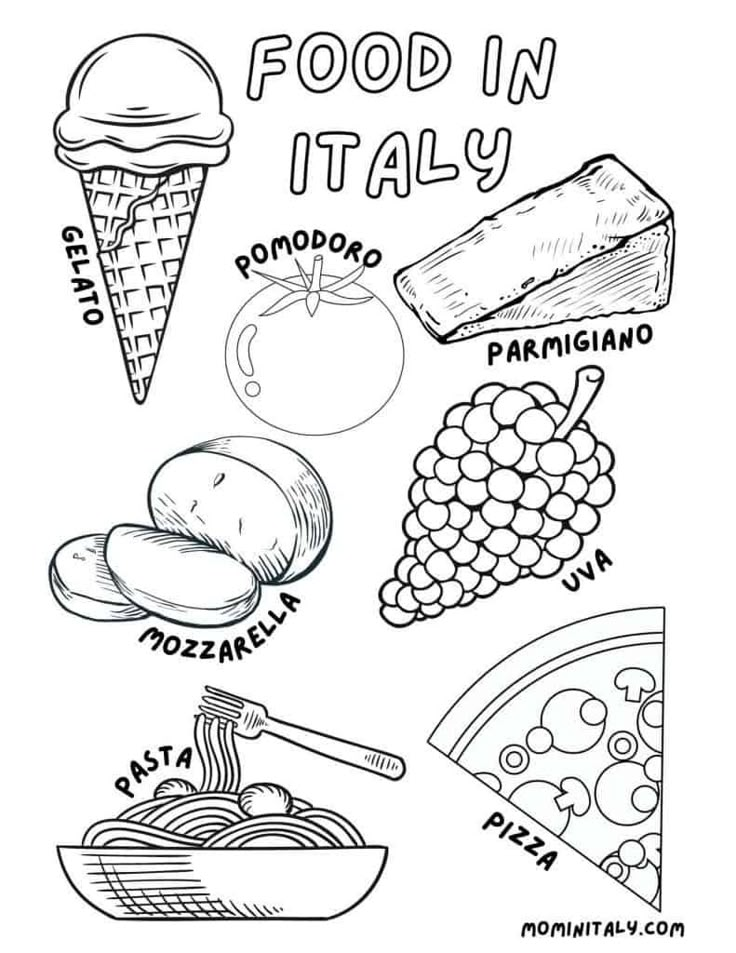
These coloring pages act as visual dictionaries of global gastronomy, translating culinary realities into lines waiting to be filled. Users might encounter the delicate steam buns of Taiwan, the vibrant spices of Indian curries, or the elaborate presentation of French plating. This exposure helps to demystify foreign foods, making them less intimidating and more approachable. By engaging with the visual elements of the cuisine, users develop a sensory connection to the culture, long before they might ever taste the actual dish. It fosters a sense of connection and respect for the diverse ways people nourish themselves around the world.
Access and Usage in Modern Contexts
Finding world food coloring pages is easier than ever, thanks to the digital accessibility of the internet. Many educational websites, cultural institutions, and art blogs offer free downloads, making them a convenient resource for teachers and parents. They print perfectly for home use or classroom settings, requiring only standard paper and a box of crayons. Some educators even project the outlines onto a screen and use them for interactive group activities, discussing the cultural significance of each element while the colors are being applied. This blend of offline creativity and online resourcefulness makes them a versatile tool for modern learning.


Related Articles

YouTube Kids Coloring Pages: Fun, Creative & Educational Activities for Kids
YouTube Kids coloring pages have rapidly evolved into a cornerstone of modern digital childhood experiences. Parents seeking a balance between screen...

Apple Kids Coloring Pages: Fun & Educational Fruit-Themed Activities
Apple kids coloring pages present a vibrant gateway to creativity for young artists. These printable resources transform a simple fruit into a canvas for...

Free Nature Coloring Pages for Kids – Fun & Educational Printable Activities
Coloring pages for kids nature offer a simple yet profound way to introduce children to the wonders of the outdoor world. This activity transforms a blank page...

Free Name Coloring Pages for Kids: Fun & Educational Activities
Free name coloring pages for kids represent a delightful intersection of personal identity and creative expression. These specially designed worksheets...

My First Day of School Coloring Pages: Fun & Educational Activities for Kids
For many parents and educators, the transition to formal education marks a pivotal moment in a young child's life. My first day of school coloring pages serve...

Free Fruit Coloring Pages for Kids – Fun & Educational Art Activities
Accessing fruit coloring pages free resources has never been easier for parents, educators, and creative individuals. The internet offers a vast library of...