Fun Hindi Worksheets for KG Class – Downloadable Practice Sheets
Worksheet for kg class Hindi serves as a foundational tool for introducing young learners to the structure and rhythm of the Hindi language. In the initial stages of education, these structured exercises help children connect sounds with symbols, building a robust literacy base that supports future academic growth. Rather than viewing these sheets as simple busywork, educators and parents recognize them as carefully designed instruments for phonetic drilling, vocabulary expansion, and basic grammar acquisition.
Understanding the Pedagogical Design
The layout of a worksheet for kg class Hindi is meticulously planned to align with the cognitive abilities of small children. These documents usually focus on high-frequency vocabulary, such as family members, animals, and common objects, presented through vivid illustrations. The integration of visual cues with textual elements ensures that the learning process is intuitive, allowing students to decode meanings without relying solely on verbal instruction. This visual-textual pairing is critical in developing early reading comprehension skills.
Key Components of Effective Worksheets
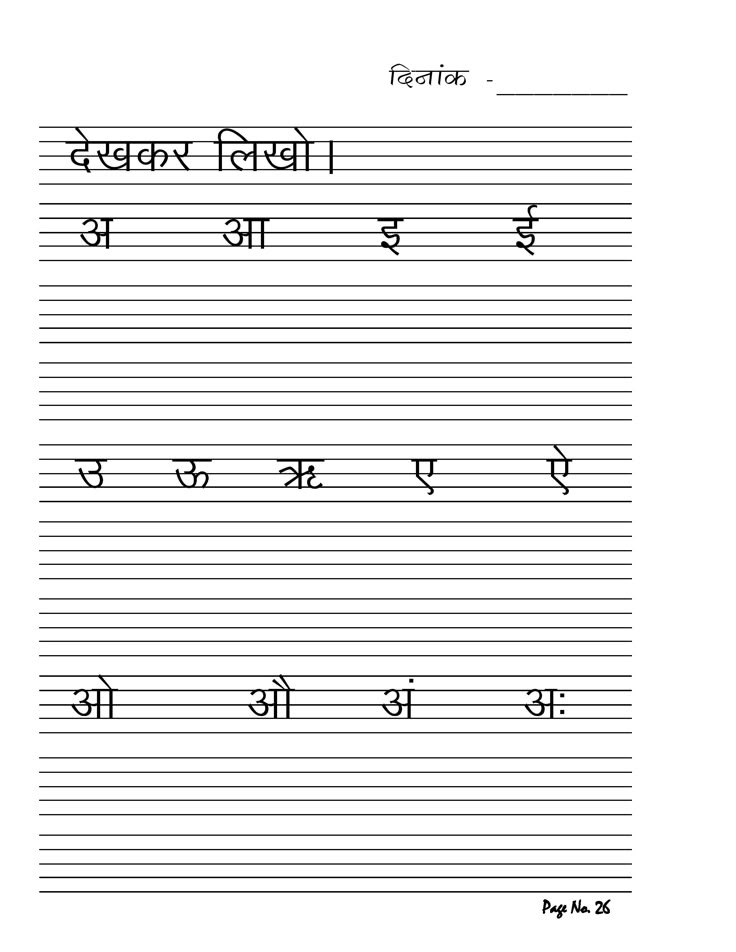
When evaluating a worksheet for kg class Hindi, specific components determine its effectiveness in the classroom or home environment. A high-quality sheet will balance repetition with engagement, ensuring that drills do not become monotonous. The difficulty curve is usually gradual, starting with traceable letters and progressing to simple word association and picture labeling. The following table outlines the standard elements found in premium worksheets:


| Component | Purpose | Example |
|---|---|---|
| Alphabet Tracing | Muscle memory for script | अ, आ, इ Practice lines |
| Picture Vocabulary | Object-word association | आलू (Potato) image |
| Fill-in-the-blanks | Contextual word usage | मेरा _____(pen) |
Interactive Learning Strategies
Modern educational approaches transform a static worksheet into an interactive experience. Teachers often use a worksheet for kg class Hindi as a springboard for conversation rather than a silent test. By prompting students to pronounce words while tracing them, instructors engage both auditory and kinesthetic learning styles. This multi-sensory approach cements the connection between the visual form of the Devanagari script and its phonetic sound, which is essential for fluency.
Parental Involvement and Home Practice
The role of a parent in utilizing a worksheet for kg class Hindi cannot be overstated. When caregivers take an active role in reviewing these exercises, they transform remote learning into bonding time. Guiding a child through the process of matching Hindi words to images at home reinforces the school curriculum and builds the child's confidence. Consistent, short practice sessions focused on these sheets help establish a routine that reduces performance anxiety in the classroom.


Cultural and Linguistic Awareness
Beyond mere language mechanics, a worksheet for kg class Hindi often introduces children to the cultural context of the language. Simple sentences about festivals like Diwali or relationships like "माता" (Mother) and "पिता" (Father) serve a dual purpose. They teach vocabulary while subtly instilling an appreciation for Indian traditions and social structures. This early exposure cultivates a sense of identity and belonging among young learners who are growing up in a multicultural world.
Adapting to Digital Formats
While the traditional paper worksheet remains popular, the digital evolution of a worksheet for kg class Hindi has opened new avenues for interactive learning. Tablets and smart boards allow children to trace letters digitally, receiving instant feedback on their stroke order. Gamified elements, such as earning stars for correct pronunciation, motivate children to practice regularly. This shift ensures that the learning process keeps pace with the technological environment in which these children are growing.
Assessment and Progress Tracking
Educators rely on the worksheet for kg class Hindi as a concrete metric for measuring a student's progress. By analyzing how a child fills out the sheet—identifying areas where they hesitate on specific letters or words—teachers can tailor their instruction to meet individual needs. This formative assessment is less about grading and more about understanding the specific hurdles a student faces in mastering the Hindi script. Continuous monitoring through these exercises ensures that no child is left behind in their linguistic development.




Related Articles
LKG Hindi Alphabet Worksheets PDF – Free Downloadable Practice Sheets
Mastering the Hindi alphabet at the very first step of a child's educational journey is foundational, and lkg worksheets focused on this script provide an...

Fun Maths Worksheets for Nursery Class PDF – Downloadable Learning Activities
Introducing mathematics to nursery-aged children is most effective through tactile and visually engaging formats, and a maths worksheet for nursery class pdf...

Free ABC Worksheet PDF: Downloadable Alphabet Practice Sheets
For educators, parents, and tutors constantly seeking high-quality learning tools, the search for efficient resources is a daily reality. The demand for...

Fun Hindi Spelling Worksheets for Class 3 – Easy Practice for Kids
Mastering the fundamentals of written language is a critical milestone for nine-year-olds, and Hindi spelling for class 3 worksheets provide a structured and...

Fun Hindi English Maths Worksheets for Nursery Class – Download Free PDF
Parents and educators seeking foundational learning tools often turn to the Hindi English Maths Worksheet for Nursery Class as a vital resource. This specific...
KG Worksheet Hindi with Answers: Free Printable Practice Sheets
Mastering the metric system is a fundamental skill, and understanding the kilogram (kg) is central to that journey. For students in Hindi-medium schools...