Delicious Learning: Fun Food Worksheet for Kids
Transforming routine meal planning into an engaging activity is easier than you might think, and this is where the concept of a worksheet for food and fun comes into play. Far from being a simple list of groceries, this tool serves as a strategic blueprint for families and individuals who want to reduce decision fatigue while simultaneously increasing culinary excitement. By combining the practicality of a schedule with the creativity of entertainment, it turns the daily question of "what's for dinner?" into a structured yet enjoyable process.
Redefining the Kitchen Experience
The modern kitchen is no longer just a place for sustenance; it is a hub for creativity, education, and connection. A well-designed worksheet for food and fun addresses this evolution by integrating nutritional requirements with leisure activities. Instead of seeing meal prep as a chore, users begin to view it as a project with tangible outcomes. This shift in perspective is crucial for maintaining long-term motivation and preventing the burnout associated with repetitive daily tasks.
The Anatomy of an Effective Worksheet
Creating a functional worksheet requires careful consideration of specific elements that ensure usability and engagement. It must be more than just a calendar; it should be a dynamic document that reflects the lifestyle of the user. Below are the core components that elevate a simple list to a sophisticated planning system:


- Time Blocking: Allocating specific days for trying new recipes ensures variety without feeling overwhelming.
- Theme Integration: Incorporating themes such as "Taco Tuesdays" or "International Week" provides a fun framework for exploration.
- Visual Appeal: Utilizing colors, icons, or even stickers transforms the sheet into a pleasant visual reminder rather than a rigid mandate.
- Flexibility Zones: Leaving space for spontaneous takeout or leftovers acknowledges that life is unpredictable.
Bridging Nutrition and Enjoyment
One of the most significant challenges in household management is balancing health with pleasure. A standard "healthy eating" plan often feels restrictive, leading to rebellion and unhealthy snacking. However, a worksheet for food and fun allows for the strategic inclusion of indulgences alongside nutritious options. By planning for enjoyment, the worksheet removes the guilt associated with eating certain foods, promoting a balanced and sustainable approach to diet.
Educational Opportunities for All Ages
For families, this worksheet is an invaluable educational instrument. Children who are involved in the planning stage are significantly more likely to engage with the meal positively. The worksheet can include sections for kids to draw their favorite meal or write down a new food they want to try. This turns dinner preparation into a lesson in reading, mathematics (measuring ingredients), and cultural exploration, making the kitchen an interactive classroom.


The Psychology of Choice
Decision fatigue is a real phenomenon that can drain mental energy by midday. Having a pre-planned worksheet alleviates the cognitive load associated with last-minute meal decisions. When the parameters are set, the brain is free to focus on the enjoyment of the cooking process itself. Furthermore, the element of "fun" ensures that the planning session is not a solitary administrative task but a potentially collaborative and exciting activity for couples or roommates.
Implementation Strategies for Success
To truly benefit from this system, implementation must be intentional. Hanging the worksheet in a high-traffic area, such as the refrigerator or command center, ensures it remains visible and actionable. The key to longevity is to treat it as a living document rather than a static contract. Regularly reviewing and updating the worksheet based on what worked and what didn’t creates a feedback loop that continuously improves the dining experience, ensuring that food and fun remain perfectly aligned.


Related Articles

Math Nursery Class Worksheet with Answers PDF – Fun Learning for Kids
Navigating the early stages of a child's education often involves introducing fundamental skills in a stress-free, engaging way. A math nursery class worksheet...

Free Preschool Worksheet Printables – Fun Learning Activities for Kids
For parents and educators navigating the early stages of a child’s academic journey, high-quality preschool worksheet free print resources offer an invaluable...

Free Coloring Worksheet for Nursery PDF – Fun Learning for Little Kids
For educators and parents navigating the early stages of a child's development, securing high-quality, ready-to-use resources is essential. A coloring...

A for Apple B for Ball C for Cat Worksheet – Fun Alphabet Learning for Kids
Mastering the fundamentals of literacy often begins with the simplest of concepts, and the journey from abstract letter to tangible object is one of the most...

Food Safety Coloring Pages: Fun Learning for Kids
Food safety coloring pages present a unique intersection of education and engagement, offering a vibrant tool for teaching children and adults about the...
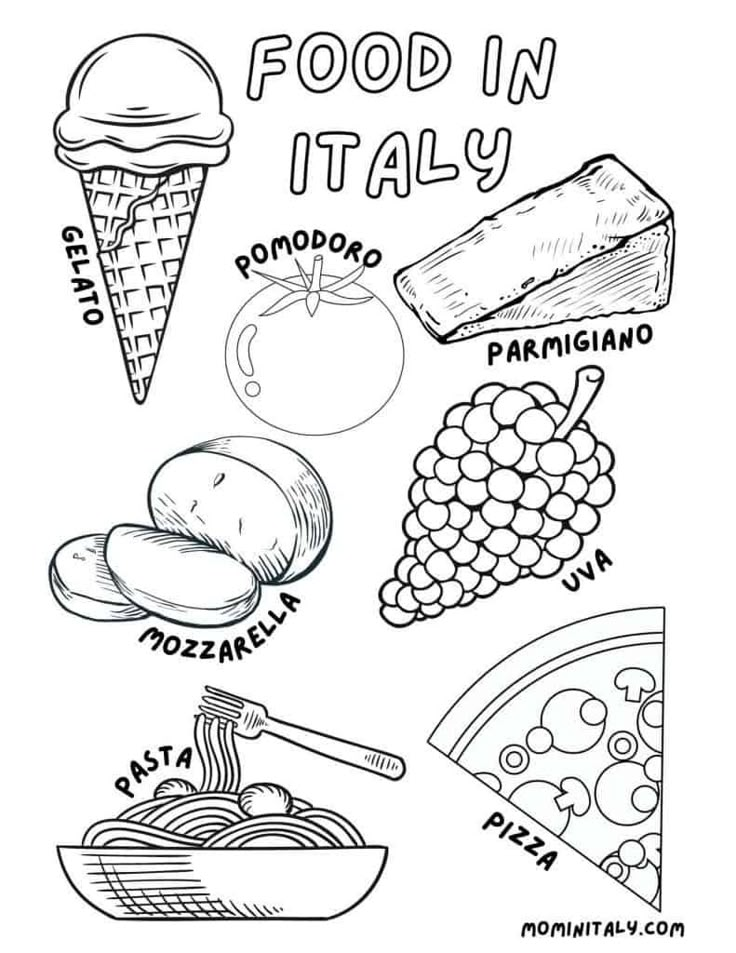
Delicious Italian Food Coloring Pages for Kids
Coloring pages italian food provide a vibrant gateway into the heart of Italy’s culinary culture. This simple activity allows both children and adults to...