Which Beauty and the Beast is Better? The Ultimate Showdown
The question of which Beauty and the Beast adaptation is better is less about declaring a single winner and more about understanding what each version uniquely offers. From the heart and texture of the 1991 animated classic to the lavish spectacle of the 2017 live-action remake, each film captures a different facet of the timeless tale. This exploration dives into the nuances of character interpretation, musical score, visual style, and thematic weight to illuminate the strengths that make each version resonate with distinct audiences.
The Heart of the Original: 1991's Animated Masterpiece
For many, the title of the definitive version belongs to Walt Disney's 1991 animated feature. What it lacks in visual grandiosity, it more than compensates for with intimate charm and narrative efficiency. The film’s genius lies in its economy of storytelling, using the medium of animation to explore interiority in ways live-action often struggles to achieve. Belle’s village feels suffocating, the Beast’s castle becomes a gothic character itself, and the romantic tension crackles with a youthful, almost awkward energy. The result is a fairy tale that feels personal and hand-crafted, prioritizing emotional sincerity over sheer scale.
Strengths of the Animated Classic
- Character Nuance: The Beast’s transformation is rendered through subtle shifts in animation—the shift from sharp, aggressive movements to gentle, fluid gestures is a masterclass in visual storytelling.
- Musical Ingenuity: Alan Menken and Howard Ashman’s songs are not just catchy; they are narrative devices. "Belle" establishes the town’s social hierarchy, "Something There" perfectly captures the dawning realization of love, and the finale provides goosebumps-inducing catharsis.
- Atmospheric World-Building: The rustic, painterly backgrounds and the design of Lumiere, Cogsworth, and Mrs. Potts imbue the castle with a lived-in, magical warmth that feels timeless.
The Modern Spectacle: 2017’s Live-Action Reimagining
Coming over two decades later, the 2017 adaptation directed by Bill Condon embraced the opposite philosophy. This version is a triumph of modern cinematic technology, offering a fully realized, tangible world that luxuriates in the opulence of the Beast’s realm. With state-of-the-art CGI, the film renders the enchanted objects with unprecedented texture and the castle with awe-inspiring grandeur. It trades the intimacy of the original for an epic scale, creating a visual experience that is undeniably immersive and, for many, the definitive "realization" of the fantasy.


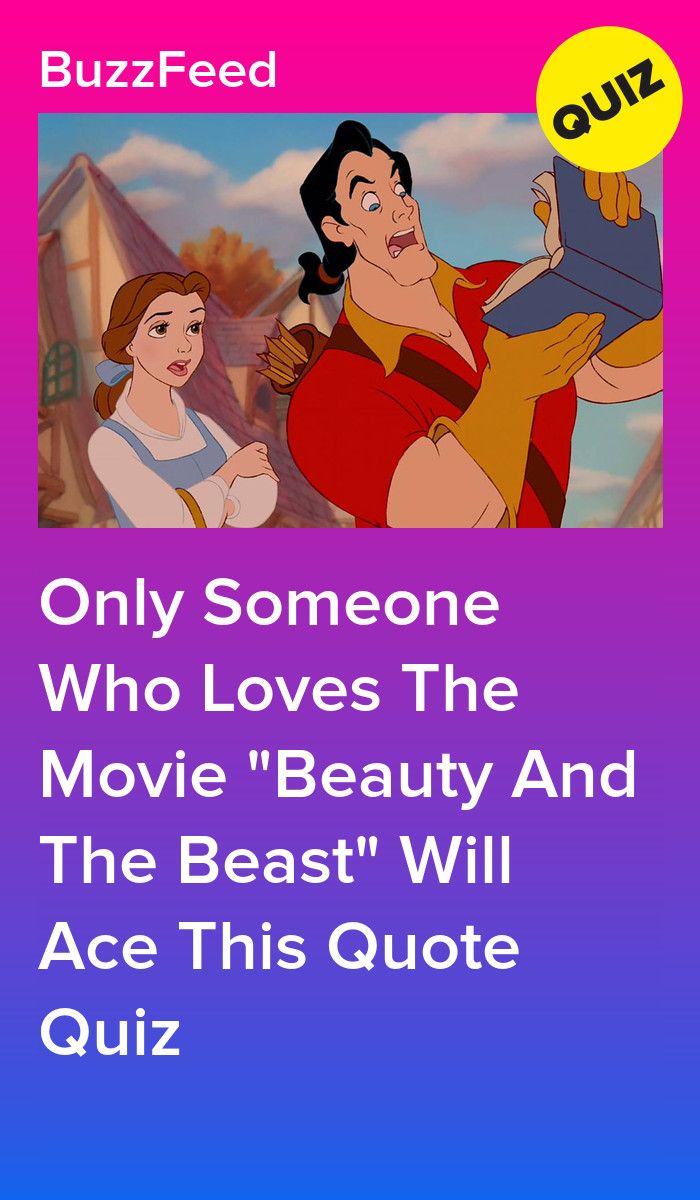
Strengths of the Live-Action Version
- Visual Fidelity: The attention to detail is staggering. From the filigree of the cursed rose to the intricate costuming of Belle and the Beast, the film is a visual feast that validates the expense of its production.
- Performative Depth: Dan Stevens’s performance as the Beast brings a profound layer of weary vulnerability to the role. His delivery of "If I Can't Love Her" adds a dimension of tragic loneliness that feels more adult and poignant.
- Expanded Lore: The film wisely expands the roles of supporting characters, particularly Mrs. Potts (Emma Watson) and the Prince’s mother, giving the world a richer history and emotional stakes.
Core Narrative Comparison: Two Valid Interpretations
While both films tell the same core story, their emphasis creates distinct viewing experiences. The 1991 version leans into the idea of seeing beyond appearances with a more whimsical, satirical lens on provincial life. The 2017 version, however, leans into the gothic romance and the psychological toll of the curse. The animated film’s villainy is clear-cut and almost cartoonish, while the live-action exploration of the Prince’s rage and father issues adds a layer of dramatic gravity. Neither approach is inherently superior; they simply cater to different sensibilities.
The Critical Element: The Score and Performances
The music in both versions is largely the same, sourced from the iconic stage musical, yet the performances cast a different shadow. Paige O’Hara and Richard White’s Broadway-trained vocals lend a classic, theatrical sheen to the 1991 soundtrack. Conversely, the 2017 cast features pop-trained vocalists like Emma Watson and Luke Evans, whose studio-enhanced delivery provides a modern polish. The "better" soundtrack often comes down to personal preference: do you value the raw, theatrical energy of the original or the polished, contemporary production value of the remake?


Audience and Context: Who is the Film For?
Determining which film is "better" is inextricably linked to the viewer’s context. The animated classic serves as the perfect introduction for children, its brisk runtime and clear moral compass providing an accessible entry point to the story. For adults, it can be a nostalgic touchstone. The live-action version, with its more complex emotional palette and sophisticated visuals, often resonates more deeply with viewers who have lived long enough to appreciate the metaphor of the curse. It functions as a grand, romantic escape for an audience accustomed to high-budget spectacle.
Verdict: It Depends on What You Seek
Rather than a definitive ranking, the comparison reveals that these two films are complementary rather than competitive. The 1991 animated film is a compact, heartfelt gem that perfected a formula, proving that profound emotion can be conveyed with minimal resources. The 2017 live-action film is a state-of-the-art artifact that showcases the upper limits of cinematic world-building. The version that is "better" is the one that aligns with your desire for intimate, nostalgic charm or for immersive, modern grandeur. Both are valid, brilliant interpretations of a beloved story.


Related Articles

Markers vs Colored Pencils: The Ultimate Adult Coloring Book Showdown
When you settle in for an evening of mindfulness and creativity, the last thing you want to wrestle with is your tools. The simple act of choosing between...

Is Shadow Better Than Sonic? The Ultimate Showdown
When comparing iconic video game duos, few rivalries ignite as much debate as Shadow the Hedgehog versus Sonic the Hedgehog. For nearly two decades, these two...

Pencils or Markers for Adult Coloring Books? The Ultimate Creative Showdown
When you settle in for a session of adult coloring, the simple choice of tool quickly becomes foundational. Do you reach for a pencil or a marker? While both...
Enchanting Belle Coloring Pages: Disney Beauty and the Beast Kids Activities
Disney's "Beauty and the Beast" coloring pages provide a creative portal into a world where enchanted objects and timeless romance come to life. These...

Godzilla vs King Kong: Ultimate Coloring Page Showdown
The intersection of legendary movie monsters often sparks the imagination of artists and fans alike, and a coloring page featuring Godzilla and King Kong...

Capital Letters vs Lowercase: The Ultimate SEO Showdown
At first glance, the difference between capital letters and lowercase text might seem like a trivial detail of the alphabet. In reality, this distinction is a...