Discover "What Color Am I?" Personality Test – Free & Fun Insights
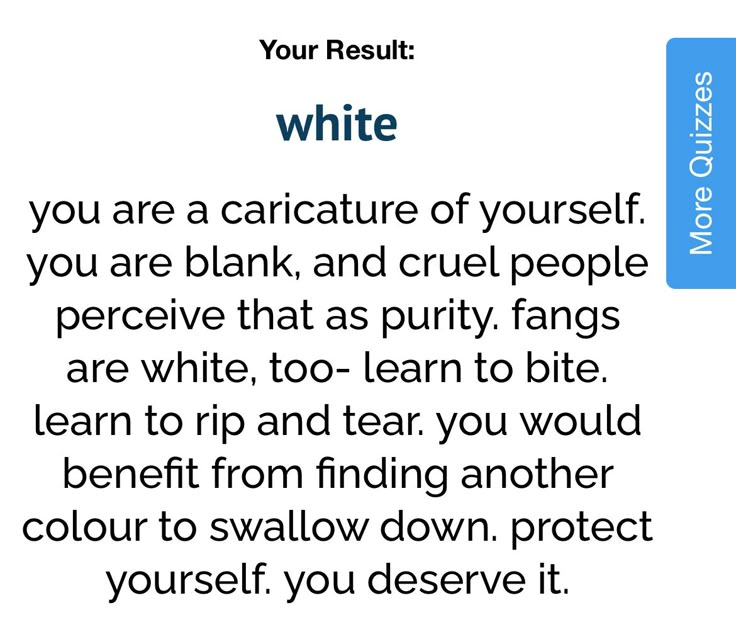
Curiosity about personal identity often leads people to explore the What Color Am I Personality Test Free, a quick and visually engaging tool designed to provide insights into behavioral tendencies. This assessment uses color associations to create a framework for understanding communication styles, motivations, and decision-making processes without requiring any payment or subscription. It serves as an accessible entry point for individuals seeking to begin a journey of self-discovery in a low-pressure format.
How the Color Personality Framework Works
The foundation of this assessment relies on a simplified psychological model that links specific colors to core character archetypes. Participants typically answer a series of questions or select a color they are instinctively drawn to, which corresponds to a set of defined traits. This method translates complex emotional and cognitive patterns into a digestible visual language, allowing for immediate reflection. Unlike rigid scientific instruments, this approach prioritizes intuition and immediate resonance to spark self-awareness.
Decoding the Primary Color Archetypes
Most versions of the test categorize results into four prominent colors, each representing a distinct temperament. Understanding these archetypes is key to interpreting the results accurately and applying them to real-world interactions.


- Red: Often associated with energy, decisiveness, and a drive for leadership. Individuals leaning red are typically action-oriented and goal-focused.
- Blue: Symbolizing empathy, intuition, and deep emotional connection. Those with blue tendencies prioritize relationships and thoughtful analysis.
- Yellow: Representing optimism, creativity, and intellectual curiosity. Yellow personalities are usually enthusiastic and innovative thinkers.
- Green: Linked to stability, logic, and a desire for harmony. Green individuals value structure, reliability, and peaceful resolutions.
Benefits of Taking the Free Version
Engaging with the What Color Am I Personality Test Free offers immediate advantages for personal and professional growth. The primary benefit is the speed at which insights are generated, providing a snapshot of one's behavioral drivers in mere minutes. This immediacy encourages users to reflect on their reactions and interactions without a significant time investment. Furthermore, the color-based output is easy to remember and discuss, making it a practical tool for team-building exercises or casual conversations about communication.
Utilizing the Results in Daily Life
The true value of the assessment is unlocked when participants translate abstract colors into actionable self-knowledge. For instance, recognizing a "red" tendency toward impatience can help an individual practice active listening during conflicts. Similarly, a "blue" result might encourage someone to seek out roles that require deep interpersonal connection. By identifying these patterns, users can leverage their natural strengths while becoming aware of potential blind spots in their decision-making.


Interpreting Your Result with Nuance
It is essential to approach the results of the What Color Am I Personality Test Free as a starting point rather than a definitive label. Human behavior is complex and context-dependent, so a single color cannot encapsulate the entirety of an individual's personality. Experts suggest combining this insight with other forms of reflection or more comprehensive assessments to gain a holistic view. The goal is to use the color as a lens to observe patterns, not as a cage that limits growth.
Comparing Free Tools and Professional Assessments
While the free version offers convenience and intrigue, it differs significantly from validated psychometric tools used in clinical or corporate environments. Tests like the Myers-Briggs or DISC provide structured scoring and extensive research backing, whereas color tests rely on intuitive alignment. The free test serves best as an icebreaker or a fun exercise to stimulate curiosity. Viewing it as entertainment rather than a clinical diagnosis ensures that users maintain realistic expectations regarding accuracy and depth.



Related Articles

Discover Your Color K Personality: Find What's Your Color K Test
Have you ever scrolled through a quiz result, saw a color associated with your personality, and thought, "What is my color k test, and why does this shade seem...
What Color Is Your Personality? Discover Your True Colors with Our Personality Test
Discovering "which color is your personality" has become a fascinating intersection of psychology and digital self-expression. This popular concept translates...
Discover Your Perfect Color Palette with Our Free Online Color Test
Understanding your personal color palette can feel like unlocking a secret to a more confident and cohesive wardrobe. A color online test offers a modern...
True Colors Personality Test: What Each Color Reveals
The true colors personality test offers a vivid framework for understanding human behavior by assigning distinct traits to four primary colors. This model...
Discover Your True Colors: The Ultimate Personality Test
The true colors personality test is a widely recognized psychological assessment tool designed to categorize human behavior into four distinct temperament...

Free Bird Personality Test Printable: Discover Your Feathered Character
Discovering your avian counterpart through a bird personality test printable free is a journey into self-awareness that blends psychology with nature. This...