Cute Valentine Drawings for Kindergarten: Easy Step-by-Step Guide
Kindergarten classrooms are filled with moments of pure, unadulterated creativity, and few activities capture the imagination of young students quite like a valentine drawing session. This simple act transforms a blank sheet of paper into a canvas of affection, where little hands translate complex emotions like love and friendship into lines, shapes, and colors. For educators and parents, guiding these sessions requires more than just handing out crayons; it involves understanding how to make the process accessible, joyful, and developmentally beneficial.
Why Drawing Valentines is Essential for Early Childhood
The significance of creating valentine drawings extends far beyond producing a cute decoration for a classroom party. This activity is a powerhouse for developing fine motor skills, as children practice holding utensils, controlling pressure, and executing precise cuts and strokes. Furthermore, it serves as an introduction to symbolism, where a red circle with lines becomes a heart, teaching kids that abstract concepts can be represented visually. This exercise in symbolic thinking is a crucial step toward early literacy and numeracy.
The Psychology of a Simple Heart
When a kindergarten student sets out to draw a heart, they are engaging with one of the most recognizable symbols in human culture. The process of deconstructing this shape—often starting with a triangle and two humps—helps children build spatial awareness and geometric intuition. By breaking down the valentine drawing into manageable steps, educators empower hesitant artists to participate confidently, fostering a growth mindset that embraces the process over the perfect outcome.


Step-by-Step Guide to a Classic Kindergarten Valentine
To ensure a smooth and inclusive experience, breaking the drawing into distinct stages is highly effective. This method prevents overwhelm and allows the teacher to focus on individual students who may need specific guidance. The goal is to build complexity gradually, ensuring that every child feels a sense of accomplishment by the final stroke.
Visualizing the Process
The following table outlines the standard progression for creating a simple valentine drawing, suitable for students aged 4 to 6. This visual roadmap helps maintain order and keeps the activity focused.


| Step | Action | Educational Benefit |
|---|---|---|
| 1 | Draw a large circle for the card base | Hand-eye coordination, size perception |
| 2 | Add two smaller circles for eyes | Spatial placement, proportion |
| 3 | Draw a triangle for the nose | Shape recognition, fine motor control |
| 4 | Create a wide smiling mouth | Expression, curve drawing |
| 5 | Add arms and legs for character | Body awareness, symmetry |
Moving Beyond the Template: Fostering Creativity
While guided drawings are excellent for skill-building, the most memorable valentine sessions allow for open-ended expression. Once the basic framework is complete, teachers should encourage students to deviate from the script. A child might decide their character needs rainbow hair, polka dots, or wings shaped like lightning bolts. These deviations are not distractions; they are the hallmarks of a vibrant imagination and should be celebrated as the true success of the activity.
The Role of Color and Texture
Color choice is a child’s first opportunity to make a personal statement. A valentine drawing is not confined to the traditional red and pink palette; bold purples, electric blues, and sunny yellows can create unique and captivating characters. Providing access to different tools—crayons, markers, or even cotton swabs for watercolor—adds a tactile dimension to the project. Discussing why a student chose a specific color for their valentine helps develop their language skills and emotional vocabulary.
Integrating the Cards into a Lasting Memory
The drawing is only half of the valentine experience; the final step involves preparing the card for its intended audience. Cutting out the drawing and gluing it onto a folded piece of cardstock teaches children about structure and presentation. This phase reinforces the concept that art can be functional and that their creations have value beyond the art table. Hanging these finished products in the classroom window or displaying them in the hallway provides a source of pride and validates the students' hard work.


Tips for Parents and Educators
Creating a stress-free environment is paramount when conducting valentine drawing activities at home or school. The focus should remain on the joy of creation rather than technical perfection. Adults should model enthusiasm rather than providing exact instructions, allowing the child to lead the artistic process. Most importantly, every scribble and smudge is a testament to the child’s engagement with the world, making every valentine drawing a cherished artifact of their developmental journey.


Related Articles

Kindergarten Tiger Drawing: Easy Step-by-Step Guide for Kids
Capturing the energetic spirit of a kindergarten tiger drawing involves more than just copying a template; it is about translating a child’s vibrant...

Directed Drawing Pumpkin Kindergarten: Easy Step-by-Step Guide for Kids
Directed drawing pumpkin kindergarten activities provide a structured and supportive pathway for young children to explore artistic expression. This method...

Happy Birthday Dad Drawing Easy: Cute & Simple Step-by-Step Guide
Creating a happy birthday dad drawing easy is one of the most heartfelt ways to celebrate a father’s special day. Unlike store-bought gifts, a hand-drawn card...
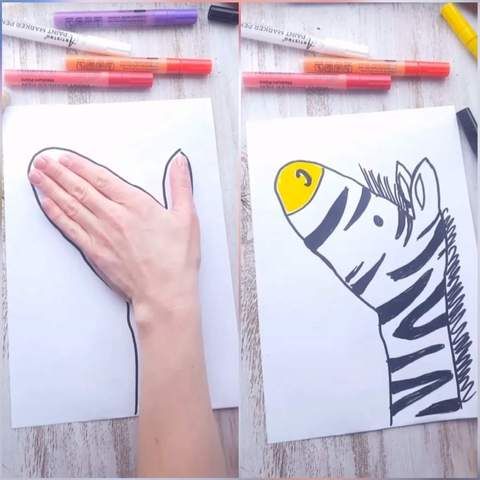
Easy Animal Drawings by Tracing Your Hand: Step-by-Step Guide
Returning to the fundamentals of art is often the most effective way to unlock new creative potential. The practice of drawing animals by tracing your hand...

Happy Birthday Drawings Easy Cute: Step-by-Step Guide for Kids
Creating happy birthday drawings easy cute is one of the most delightful ways to add a personal touch to a celebration. Whether you are a parent looking to...

Cute Bunny Print Drawing Ideas: A Step-by-Step Guide
The allure of the bunny print drawing lies in its ability to blend playful charm with artistic sophistication. More than just a simple pattern, this motif...