VA Leave Letter Example: How to Write & Sample Templates
Navigating the intricacies of professional communication often requires a firm grasp of formal correspondence, and a VA lay letter example serves as a fundamental template for such scenarios. Whether you are a virtual assistant drafting on behalf of a client or a business owner documenting procedures, understanding the structure and purpose of a lay letter is essential for maintaining clarity and professionalism. This guide breaks down the components, provides adaptable examples, and explains the strategic importance of this specific document type in modern administrative workflows.
The Core Purpose of a Lay Letter
A lay letter, distinct from a layoff letter, functions primarily to place contractual work "on hold" or to formally outline the temporary suspension of specific duties. In the context of a VA lay letter example, this document typically addresses the delegation of virtual assistant tasks due to factors like budget adjustments, project pauses, or staff availability. Unlike termination letters, a lay letter implies an intention to resume the relationship or duties at a future date. Its purpose is to create a clear, written record that protects both the service provider and the client, ensuring expectations remain aligned during a period of inactivity or transition.
Deconstructing a Professional VA Lay Letter Example
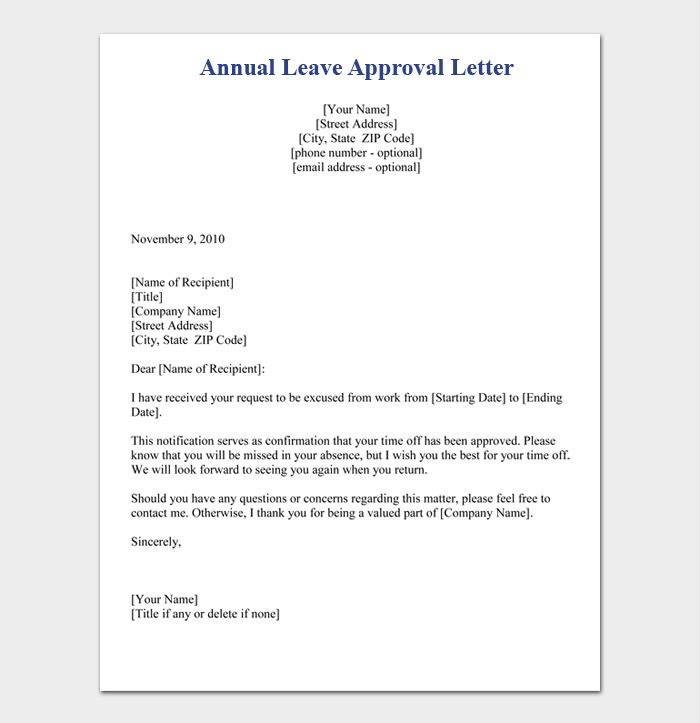
Examining a concrete VA lay letter example reveals the standard elements that ensure the document is effective and legally sound. The structure usually follows a formal business letter format, beginning with sender and recipient details, followed by a date and a clear subject line. The body of the letter should explicitly state the intention to place the virtual assistant's services on lay status, specify the effective date, and outline the terms of this arrangement. Key details such as the duration of the lay period, payment implications, and conditions for resumption are critical components that transform a simple example into a functional template.


Key Components to Include
- Full contact information for both the client and the virtual assistant or their agency.
- A formal salutation addressing the recipient directly.
- A subject line that clearly indicates the purpose, such as "Notice of Temporary Lay Status for VA Services".
- A concise statement explaining the reason for the lay, avoiding unnecessary detail but ensuring transparency.
- Specific dates, including the lay start date and an estimated return date or process for determining it.
- Information regarding compensation during the lay period, whether it is unpaid leave, partial retainer, or another arrangement.
- Clear instructions on how duties will be交接 (handed over) and communication protocols during the lay.
Strategic Benefits for Virtual Assistant Businesses
Utilizing a well-crafted VA lay letter example offers significant strategic advantages for virtual assistant providers. It establishes a professional boundary while preserving the client relationship, which is crucial for future re-engagement. By documenting the arrangement in writing, the service provider minimizes the risk of misunderstandings regarding payment or expectations. Furthermore, having a standardized template allows for efficient handling of temporary project changes without the need for extensive ad-hoc negotiation, thus saving time and maintaining operational smoothness during fluctuating workloads.
Adapting the Example for Specific Contexts
The power of a VA lay letter example lies in its adaptability. A template designed for a freelance graphic designer needing a month off differs slightly from one used for a virtual assistant in a large marketing firm. When customizing your letter, consider the legal landscape of your region, as labor laws regarding temporary leave can vary. You should also factor in the nature of the work; if the VA manages social media accounts, the letter might need to address the transition of login credentials or content scheduling responsibilities. Tailoring the core template ensures the letter is both compliant and practical for the specific working relationship.


Best Practices for Communication and Record-Keeping
Beyond the written text of the VA lay letter example, the manner of delivery and archival is equally important. Sending the letter via email provides a convenient digital record, but for matters of significant financial or legal weight, a formal letter sent via registered mail may be advisable. Always request a read receipt or a simple acknowledgment email to confirm receipt. Maintain a dedicated folder for these documents, as they serve as vital historical records for audits, tax purposes, or performance reviews, providing a clear timeline of project activity and administrative decisions.
Conclusion: Elevating Professional Documentation
Mastering the use of a VA lay letter example is more than just filling in a template; it is an exercise in professional risk management and relationship maintenance. By understanding the nuanced language and critical components, professionals can ensure that temporary suspensions of service are handled with clarity and respect. This approach not only protects the interests of the virtual assistant but also reinforces the reliability and structure of the client engagement, ultimately contributing to a more resilient and trustworthy professional ecosystem.




Related Articles

Cover Page Letter Example: 15+ Winning Templates & Examples
Securing an interview often begins long before the hiring manager reviews your resume; it starts with the cover page letter example that greets them. This...

VA Letter Example: Perfect Sample & Writing Guide
Understanding a VA letter example is essential for anyone navigating the complex intersection of military service and civilian financial life. Whether you are...

Example of Letter G: Mastering the Basics
Examining the letter g provides a fundamental entry point into understanding the structure of the English alphabet and the mechanics of written language. As...

Printable Alphabet Letter Templates: Free Designs & Stencils
Printable alphabet letter templates serve as versatile design assets for educators, parents, and creators seeking high-quality lettering for hands-on...

Free Letter Cut Out Printables: Instant Download Templates
Finding the perfect embellishment for a card, scrapbook page, or DIY project should never require a professional design budget. For creators of all skill...

Master the Lowercase A: The Ultimate Guide to Perfect Letter Formation
Mastering the lowercase "a" is a foundational skill that influences the clarity and rhythm of your handwriting. While it seems like a simple loop and line...