Fun Tracing Worksheets for 4 Year Olds — Pre-Writing Practice
Tracing worksheets for a 4 year old represent a foundational activity in early childhood education, bridging the gap between playful scribbling and structured learning. At this specific age, children are developing the fine motor skills and hand-eye coordination necessary for future academic success, and these simple exercises provide a perfect platform for practice. By guiding a finger or a crayon along pre-dotted lines, young learners begin to understand the directional movements required to form letters and numbers, setting the stage for confident handwriting long before they enter a classroom.
The Developmental Benefits of Tracing
Engaging with tracing worksheets offers a multitude of developmental benefits that extend far beyond the mere act of drawing a line. For the 4 year old, this activity is a multi-sensory experience that integrates cognitive, physical, and sensory learning. The focused action required to follow a path helps improve concentration and attention span, while the controlled movements strengthen the small muscles in the hand and fingers. This development, known as fine motor skill acquisition, is crucial for achieving independence in everyday tasks such as buttoning clothes or using utensils.
Pre-Writing Skill Acquisition
Before a child can form complex letters, they must first master basic strokes and curves. Tracing worksheets are specifically designed to isolate these fundamental components, turning abstract shapes into manageable tasks. A 4 year old practices vertical lines, horizontal lines, circles, and zigzags, which are the building blocks of the alphabet. This repetitive practice not only builds muscle memory but also instills a sense of accomplishment, encouraging the child to view themselves as a capable learner and problem-solver.


Selecting Age-Appropriate Materials
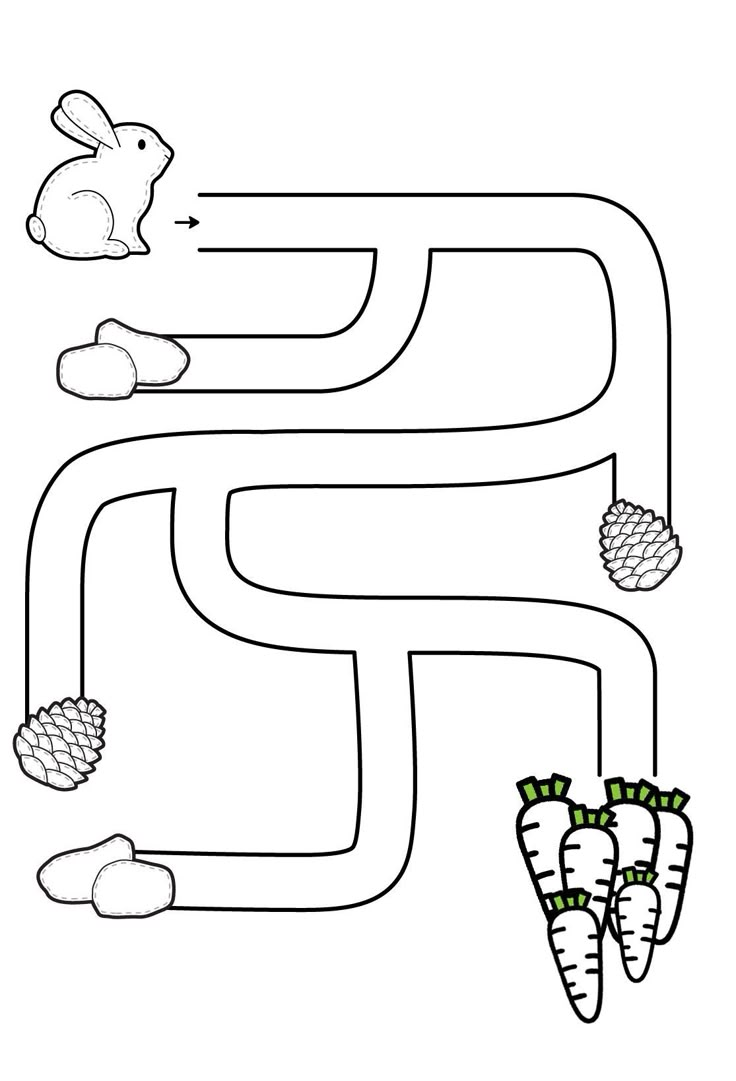
Not all tracing materials are created equal, and choosing the right resources for a 4 year old is essential to maintain their interest and prevent frustration. The most effective worksheets feature bold, clear lines with ample spacing, allowing little hands to follow the path without getting lost. Look for designs that incorporate familiar objects, such as animals, fruits, or simple shapes, to keep the activity relevant and engaging. The physical tools matter too; chunky crayons or washable markers are ideal for small grips and encourage proper posture during use.
| Skill Area | Example Worksheet Activity | Benefit for the 4 Year Old |
|---|---|---|
| Pre-Literacy | Tracing lines that form parts of letters (e.g., the stick in "L") | Builds the foundation for letter recognition and formation |
| Fine Motor | Connecting dots to reveal a picture | Improves pincer grasp and finger strength |
Integrating Fun and Learning
To ensure the experience remains positive, it is vital to frame tracing as a game rather than a chore. A 4 year old’s attention span is limited, so keeping sessions short—around 10 to 15 minutes—maximizes effectiveness without causing burnout. Parents and educators can enhance the experience by adding narrative elements, such as "Let's drive the car along the road" or "Let's walk the puppy on this line." This storytelling approach transforms a static exercise into a dynamic journey, fostering creativity alongside technical skill.


Transitioning to Independent Writing
As a child becomes more proficient with guided tracing, the next natural step is to encourage them to attempt the shapes independently. This transition should be gradual, moving from tracing over solid lines to tracing over dotted lines, and eventually to copying letters from a model placed above their paper. During this phase, positive reinforcement is key. Celebrating the effort, regardless of the precision of the lines, builds confidence and a growth mindset. The goal is not perfection, but the joy of experimentation and self-expression through mark-making.
Ultimately, tracing worksheets for a 4 year old are more than just a tool for handwriting; they are a vital component of cognitive and physical development. By providing a structured yet enjoyable environment, adults help children unlock the fundamental skills needed for future academic achievement. This gentle introduction to the world of writing empowers young learners, giving them the confidence to pick up a pencil and create their first marks on the page.




Related Articles

Alphabet Tracing Worksheets for 3 Year Olds: Fun Pre-Writing Practice
Alphabet tracing worksheets for 3 year olds represent a foundational tool in early childhood education, bridging the gap between playful learning and...

Printable Tracing Lines Worksheets for 3 Year Olds: Fun Pre-Writing Practice
Printable tracing lines worksheets for 3 year olds represent a foundational tool in early childhood development, transforming playtime into meaningful...
Tracing Lines Worksheets for 3 Year Olds PDF Download - Fun Pre-Writing Practice
Tracing lines worksheets for 3 year olds pdf download options represent a foundational step in a child's journey toward literacy and numeracy. These simple...
Fun Alphabet Tracing for 2 Year Olds: Easy Pre-Writing Practice!
Introducing alphabet tracing for 2 year olds is often one of a parent’s first structured forays into early education, and for good reason. This simple activity...

Year 1 Handwriting Worksheets: Fun Tracing Practice for Kids
Year 1 handwriting worksheets serve as the essential bridge between a child's first explorations with marks and the development of fluent, legible writing. At...

Free Name Tracing Worksheets for Preschool with Lines – Pre-Writing Practice Printables
For parents and educators navigating the early stages of childhood education, finding the right resources can make all the difference. Free name tracing...