Master Tracing Hand Drawing: Pro Techniques & Step-by-Step Guide
Tracing hand drawing occupies a unique space at the intersection of technical skill and artistic expression. For artists, educators, and hobbyists, it serves as a foundational exercise that bridges the gap between observation and creation. This method involves placing a translucent sheet over a reference image and manually reproducing the contours, shadows, and details by hand. While often misunderstood as a simple copying mechanism, it is a disciplined practice that sharpens hand-eye coordination and deepens visual perception.
The Educational Significance of Hand Tracing
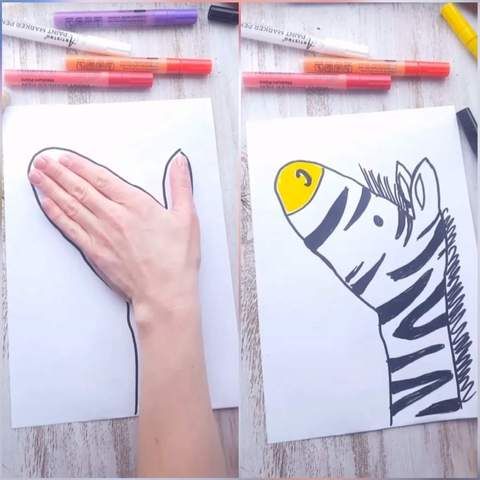
In art classrooms and workshops worldwide, tracing hand exercises are a staple for developing fundamental abilities. The process forces the drawer to slow down and analyze the structure of the subject, whether it is a human hand or another complex object. By following the intricate pathways of fingers and knuckles, artists learn to translate three-dimensional form into a two-dimensional plane. This practice builds the muscle memory required for fluid line work and helps dismantle the psychological barrier known as the "fear of the blank page."
Technical Benefits for Artists
Beyond the psychological barrier, tracing hands offers concrete technical advantages that elevate an artist’s craft. It provides a direct pathway to mastering proportion and spatial relationships, ensuring that fingers are positioned correctly relative to the palm. The exercise also refines line quality, allowing the artist to practice making confident, continuous strokes without hesitation. These technical improvements are not merely theoretical; they translate directly into more accurate figure drawing, portraiture, and the ability to sketch quickly during live sessions.


Methods for Effective Tracing Practice
To maximize the benefits of this exercise, adopting a structured approach is essential. Simply placing a photograph under a sheet and scratching lines is insufficient. Effective tracing requires a focus on the rhythm of the hand and the weight of the line. Artists should begin with light, exploratory strokes before committing to definitive marks. Gradually, the reliance on the translucent guide should diminish as the artist memorizes the shapes and flows of the hand structure.
- Start with a light box or a window to ensure the reference image is clearly visible.
- Use a soft graphite pencil (2B or 4B) to allow for expressive line weight.
- Focus on the negative space between the fingers to improve accuracy.
- Rotate the drawing surface frequently to maintain consistent arm movement.
- Analyze the pressure applied; vary the force to indicate shadow and form.
- Practice with different hand gestures to capture dynamism and realism.
Overcoming Common Challenges
Even with clear guidance, artists encounter specific hurdles when engaging in this practice. One frequent issue is "naked eye tracing," where the hand draws what the artist thinks they see rather than what is actually present. This results in distorted proportions where the fingers appear unnaturally long or short. Another challenge is maintaining a steady tempo; rushing leads to shaky lines, while hesitating causes broken, timid strokes. Acknowledging these pitfalls is the first step toward correcting them and transforming the exercise into a high-value habit.


Integration with Original Artwork
Once the foundational skills are developed, the goal is to transition from replication to creation. Tracing hand drawing should serve as a springboard for original art, not the final product. Many professional artists utilize tracing as a preliminary sketching phase, capturing the complex geometry of a hand quickly before refining it with their own stylistic flair. This hybrid approach saves time and ensures anatomical correctness while still allowing for personal expression and creative interpretation in the final piece.
Tools and Materials for Success
While the practice is simple, the right tools can significantly impact the quality of the outcome. A smooth drawing surface is crucial to prevent "tooth" from the paper from catching the lead and creating uneven textures. Artists often prefer tracing paper for its translucency or mylar for its durability. For the drawing medium, graphite pencils offer versatility and control, allowing for a range of values from the faintest sketch to the darkest shadow. Selecting the appropriate toolchain ensures that the physical act of drawing does not become a barrier to artistic vision.




Related Articles

Master Reflection Tracing Drawing: Techniques & Step-by-Step Guide
Reflection tracing drawing is a specialized artistic technique that involves copying an image by observing its reflection rather than the object directly. This...

Master Tracing Girl Drawing: Step-by-Step Guide
Tracing girl drawing stands as a cornerstone practice for artists at every stage of development. Whether you are a complete novice picking up a pencil for the...

Master Tree Tracing Drawing: Step-by-Step Guide
Tree tracing drawing is a foundational exercise for artists, architects, and nature enthusiasts, transforming a simple walk in the park into a study of form...
Easy Animal Drawings by Tracing Your Hand: Step-by-Step Guide
Returning to the fundamentals of art is often the most effective way to unlock new creative potential. The practice of drawing animals by tracing your hand...

Easy Tiger Tracing Drawing: Step-by-Step Guide for Kids
Tracing the majestic form of a tiger on paper is a rewarding pursuit that connects artists with the raw power and elegance of the natural world. This timeless...

Easy Tracing Drawing Simple: Fun Step-by-Step Guide for Beginners
Tracing drawing simple shapes and objects is often perceived as a beginner’s exercise, yet it is a foundational practice that holds immense value for artists...