Traceable Drawings for Beginners: Easy Step-by-Step Guide
Tracing offers a foundational skill that unlocks confidence for anyone picking up a pencil for the first time. This simple act of following lines helps bridge the gap between uncertain strokes and controlled, expressive marks on the page. Many beginners feel intimidated by the blank sheet, yet traceable drawings provide a safe pathway to mastering fundamental techniques without the pressure of original creation. By focusing on the connection between point A and point B, learners build muscle memory essential for future artistic endeavors.
Why Traceable Drawings Work for New Learners
The effectiveness of traceable exercises lies in their ability to reduce cognitive overload for beginners. Instead of simultaneously deciding what to draw and how to draw it, the artist can concentrate purely on line quality, pressure, and hand-eye coordination. This method mimics how children learn to write, where tracing letters leads to fluent cursive. The immediate visual feedback loop—seeing the intended shape emerge accurately—builds quick wins and reinforces the belief that artistic ability is a practiced skill, not an innate talent.
Building Muscle Memory and Control
Repetition is the cornerstone of developing fine motor skills, and traceable sheets are designed to maximize this repetition in a structured way. Beginners often struggle with shaky lines or inconsistent proportions; tracing smooth, continuous paths trains the hand to move with purpose and stability. Over time, the neural pathways responsible for these movements strengthen, allowing the artist to eventually replicate these shapes freehand with surprising accuracy. This gradual transition from guided to independent drawing is the core benefit of the method.


Selecting the Right Subject for Beginners
Not all traceable content is created equal, and choosing appropriate subjects is vital for maintaining engagement. Simple geometric shapes, basic animals, and common objects provide the ideal starting point because they feature clear contours and minimal complexity. Avoiding intricate details in the early stages prevents frustration and allows the learner to focus on the physical act of drawing rather than deciphering complex forms. Success with straightforward images builds the momentum needed to tackle more challenging projects later on.
| Complexity Level | Example Subjects | Benefit for New Artists |
|---|---|---|
| Beginner | Circle, Square, Stick Figure | Introduces basic line control and orientation |
| Intermediate | Simple Fruit, Basic House, Cat Profile | Combines shapes and introduces structural form |
| Advanced Beginner | Detailed Flower, Simple Vehicle, Dog Face | Requires attention to detail and curve consistency |
Structured Practice Sessions
Consistency trumps intensity when developing a new skill, and traceable drawings are perfect for establishing a regular practice routine. A beginner can commit to just ten minutes a day, following a series of guided lines that slowly introduce new concepts like shading with cross-hatching or creating depth with overlapping forms. This manageable timeframe fits easily into daily life, turning art from an intimidating hobby into a sustainable habit that yields steady improvement week by week.


Beyond technical skill, working with traceable materials cultivates a valuable sense of patience and focus. The act of slowing down to follow a path teaches mindfulness, as the artist must observe the starting point, the trajectory of the line, and the ending stroke. This meditative quality helps quiet the inner critic that often whispers "I can't draw," replacing it with the observable evidence of progress documented on the page.
Transitioning to Independent Creation
Eventually, the goal is to move the acquired skills from the traced page to the blank page, and this transition requires a deliberate strategy. One effective method is to trace an image lightly, then turn the paper over and attempt to redraw the memory of the lines from observation. Comparing the two versions highlights which shapes the eye truly registered versus which were assumed, creating a powerful learning opportunity. Gradually increasing the complexity of these independent attempts ensures that the confidence gained from tracing translates into original artistic expression.


Related Articles

Easy Tracing Drawing Simple: Fun Step-by-Step Guide for Beginners
Tracing drawing simple shapes and objects is often perceived as a beginner’s exercise, yet it is a foundational practice that holds immense value for artists...

Happy Birthday Easy Drawings: Simple Step-by-Step Tutorials for Kids (and Beginners!)
There is a unique magic in transforming a simple wish into a visual representation, and few things capture this joy as effectively as a happy birthday easy...

Traceable Lips: Easy Drawing Guide for Beginners
Mastering the art of the traceable lip outline is a foundational skill that separates tentative sketching from confident, precise illustration. This technique...
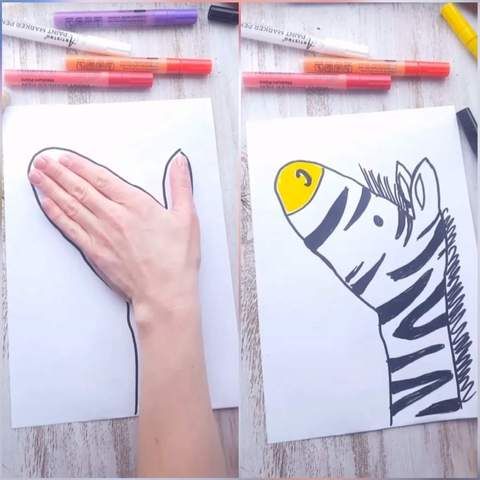
Easy Animal Drawings by Tracing Your Hand: Step-by-Step Guide
Returning to the fundamentals of art is often the most effective way to unlock new creative potential. The practice of drawing animals by tracing your hand...
Happy Birthday Drawings Easy Cute: Step-by-Step Guide for Kids
Creating happy birthday drawings easy cute is one of the most delightful ways to add a personal touch to a celebration. Whether you are a parent looking to...

Easy Color Drawing Book: Step-by-Step Guide for Beginners
Drawing a book is one of the simplest yet most rewarding exercises for anyone looking to improve their artistic skills. This step-by-step guide will walk you...