Traceable Animal Drawings: Easy Step-by-Step Tutorials for Kids
For artists, educators, and hobbyists, the journey from a blank page to a finished illustration often begins with the simplest of tools: a pencil. Traceable animal drawings serve as the foundational stepping stone in this process, offering a structured yet flexible framework for learning. This method transforms the often-intimidational task of capturing a living creature into a manageable exercise in line, form, and proportion, making the intricate world of zoological art accessible to everyone.
The Educational Power of Guided Lines
At its core, the practice of tracing is a pedagogical strategy rooted in muscle memory and visual recognition. When an individual follows the predetermined path of a traceable animal drawing, they are not merely copying; they are decoding. The hand learns the rhythm required to construct a leg, an ear, or a tail, while the eye begins to distinguish the negative spaces that define an animal's silhouette. This guided repetition builds confidence, effectively lowering the barrier to entry for beginners who might otherwise be paralyzed by the fear of getting a shape wrong.
Deconstructing Complex Forms
Professional traceable templates do more than replicate an animal; they deconstruct it. A masterfully designed trace guide breaks down a complex creature into a series of simple geometric shapes and fluid lines. A lion’s mane might be simplified into a series of arcing curves, while the body of a fish becomes an elegant, tapering oval. This pedagogical approach teaches the artist to see beyond the subject's textural details and focus on the underlying architecture that gives every animal its unique posture and personality.


Beyond the Pencil: Modern Applications
While the traditional pencil-on-paper tracing remains popular, the concept has evolved significantly with digital technology. Today, traceable animal drawings exist in dynamic formats that cater to a variety of learning styles and creative projects. Interactive tablets allow users to trace directly onto a screen, offering the same educational benefits with the ease of digital erasure and unlimited paper supply. Furthermore, these digital files are easily scalable, enabling users to print a tiny tracing for a keychain or project a massive version onto a wall for a collaborative mural.
Utilization in Therapeutic Settings
The benefits of traceable animal drawings extend far beyond the art classroom. In therapeutic environments, these images are powerful tools for engagement. Occupational therapists often use tracing exercises to help patients—particularly children with developmental challenges or those recovering from injuries—refine their fine motor skills and hand-eye coordination. The familiar and non-threatening subject matter of animals provides a comfortable medium for patients to practice focus and control, turning rehabilitation into a calming and creative act.


Curating Quality: What to Look For
Not all traceable animal drawings are created equal, and the quality of the source material dramatically impacts the learning experience. High-quality templates prioritize anatomical accuracy, ensuring that the proportions and skeletal structures reflect the true nature of the creature. Look for resources that offer varying levels of detail, allowing the user to progress from simple outlines to more complex illustrations that include shading guides and texture prompts.
| Complexity Level | Best For | Example Features |
|---|---|---|
| Beginner | Young children or motor skill rehabilitation | |
| Intermediate | Developing artists and educational projects | |
| Advanced | Professional illustrators and hobbyists
|
The Connection to Nature
Perhaps the most profound aspect of traceable animal drawings is the bridge they build between the artist and the natural world. By carefully studying a line drawing of a tiger or a hummingbird, the artist develops a deeper appreciation for the creature's biology and behavior. This practice fosters a connection that transcends the page, encouraging the artist to observe real animals in their habitats with greater curiosity and respect. The act of tracing becomes less about replication and more about understanding, a quiet dialogue between the artist and the wild.


Related Articles

Cute Easy Traceable Drawings: Simple Step-by-Step Tutorials for Kids
For parents, educators, and anyone nurturing a young artist, the journey into drawing often begins with the simplest of lines. Cute easy traceable drawings...

Happy Birthday Easy Drawings: Simple Step-by-Step Tutorials for Kids (and Beginners!)
There is a unique magic in transforming a simple wish into a visual representation, and few things capture this joy as effectively as a happy birthday easy...

Barbie Tracing Drawing: Easy Step-by-Step Tutorials for Kids
The art of Barbie tracing drawing offers a unique bridge between structured skill development and creative expression for aspiring artists. This specific...
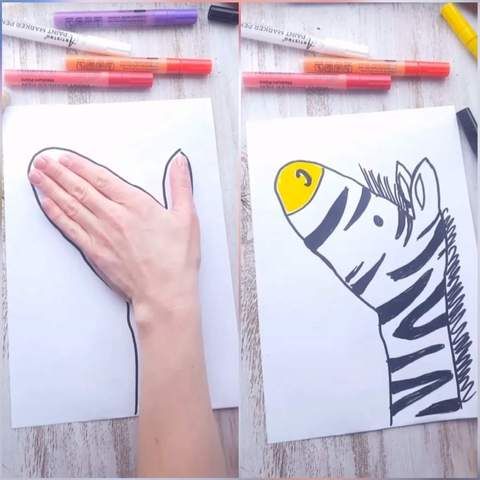
Easy Animal Drawings by Tracing Your Hand: Step-by-Step Guide
Returning to the fundamentals of art is often the most effective way to unlock new creative potential. The practice of drawing animals by tracing your hand...

Cute Animal Drawings with Color for Kids: Fun & Easy Coloring Pages
Engaging children with cute animal drawings using color transforms a simple sheet of paper into a vibrant portal for imagination. This activity is more than...
Happy Birthday Drawings Easy Cute: Step-by-Step Guide for Kids
Creating happy birthday drawings easy cute is one of the most delightful ways to add a personal touch to a celebration. Whether you are a parent looking to...