Roaring Bones: Skeleton Dinosaur Coloring Pages for Kids
Skeleton dinosaur coloring pages present a fascinating intersection of paleontology and art, offering a unique window into the prehistoric world. Unlike typical cartoonish depictions, these line drawings capture the intricate architecture of extinct species, focusing on the very framework that defined their form. This focus on bone structure provides an educational experience that is both scientifically enlightening and creatively engaging for artists of all ages. For parents and educators, these pages serve as an effective tool to introduce complex biological concepts in a fun and accessible manner.
The Educational Value of Prehistoric Anatomy
One of the primary benefits of skeleton dinosaur coloring pages is their inherent educational value. By concentrating on the skeletal system, these drawings strip away the guesswork regarding skin, scales, or feathers, forcing the viewer to understand the core mechanics of the creature’s physique. Children and adults alike learn the names and functions of specific bones, such as the femur, vertebrae, and skull, in a visual and memorable context. This active learning process transforms a simple pastime into a dynamic biology lesson, fostering a deeper appreciation for evolutionary biology.
Distinguishing Species by Structure
The skeletal framework varies dramatically between species, and coloring pages highlight these crucial differences. A Triceratops coloring sheet will prominently feature the large frill and three horns attached to the skull, emphasizing its defensive architecture. In contrast, a T-Rex page will showcase massive jaws and tiny arms, illustrating its role as a formidable predator. These visual distinctions help categorize dinosaurs by their physical adaptations, turning the coloring session into a comparative anatomy exercise that is visually intuitive.


Fostering Creativity Through Structure
While based on science, skeleton coloring pages leave ample room for artistic interpretation. Without the constraints of realistic coloration, artists are free to imagine vibrant bio-luminescent ribs, neon-spined vertebrae, or pastel-hued pelvic girdles. This freedom allows children to view the skeleton not as a static relic, but as a dynamic canvas for creativity. It encourages them to think about how color and pattern might have functioned in life, whether for camouflage, display, or temperature regulation, blending science with imaginative storytelling.
Therapeutic Benefits and Focus
Beyond education and creativity, the act of coloring detailed line art has well-documented therapeutic benefits. The intricate bones of a dinosaur skeleton require a level of focus that can calm the mind and reduce stress. The repetitive motion of coloring within the lines promotes mindfulness and hand-eye coordination. For children with excess energy or anxiety, these pages provide a structured yet flexible activity that channels concentration into a productive and relaxing endeavor.


Accessibility for All Ages
Skeleton dinosaur coloring pages are remarkably versatile, catering to a wide demographic. Simplified outlines are perfect for younger children developing their grip and control, while highly detailed illustrations of specific fossils appeal to teenagers and adults seeking a challenge. This scalability makes them an excellent resource for family bonding, where parents can engage with complex anatomical drawings while younger siblings work on simpler ribcage or tooth patterns. The low barrier to entry—requiring only a printed sheet and a crayon—ensures broad accessibility.
Comparison of Common Species
| Dinosaur | Key Skeletal Feature | Coloring Complexity |
|---|---|---|
| Tyrannosaurus Rex | Massive skull, tiny arms | Medium |
| Triceratops | Large frill, three horns | Medium-High |
| Velociraptor | Sickle-shaped claw, lightweight frame | High |
| Brachiosaurus | Long neck, columnar legs | High |
Integration into Learning Environments
Educators frequently utilize skeleton dinosaur coloring pages as supplementary material for science curricula. They work exceptionally well before a museum visit, helping to familiarize students with the terminology they will encounter among the actual fossils. Teachers can assign specific sheets to accompany lessons on natural selection or Mesozoic ecosystems, turning a quiet activity into a discussion about adaptation and survival. The visual nature of the pages aids in retaining complex vocabulary far more effectively than text alone.
Ultimately, skeleton dinosaur coloring pages are more than just a way to pass the time; they are a bridge between the academic and the artistic. They invite the artist to literally color within the lines of history, constructing their own interpretation of life that once dominated the planet. Whether used in a classroom, a therapy session, or a quiet evening at home, these pages offer a profound connection to the ancient past through the simple act of creation.


Related Articles

Roaring Fun: Free Dinosaur Bones Coloring Pages For Kids
Dinosaur bones coloring pages transform the intricate science of paleontology into an accessible and creative activity for learners of all ages. By merging the...

Roaring T-Rex Skeleton Coloring Page: Free Printable Dinosaur Bones For Kids
The t rex skeleton coloring page offers a unique window into the prehistoric world, merging scientific accuracy with artistic expression. This specific...

Dinosaur Bones Coloring Pages Printable: Roaring Fun for Kids!
Dinosaur bones coloring pages printable transform the study of paleontology into an interactive and creative experience for children and enthusiasts alike...

Roaring T-Rex Coloring Pages: Frightfully Fun Dinosaur Art for Kids
For parents and educators seeking engaging activities for young dinosaur enthusiasts, scary T Rex coloring pages present a thrilling option. These printable...

Roaring Jurassic Park Dinosaur Coloring Pages For Kids
The search for a dinosaur coloring page jurassic park taps into a unique intersection of childhood creativity and blockbuster cinematic nostalgia. Fans of all...
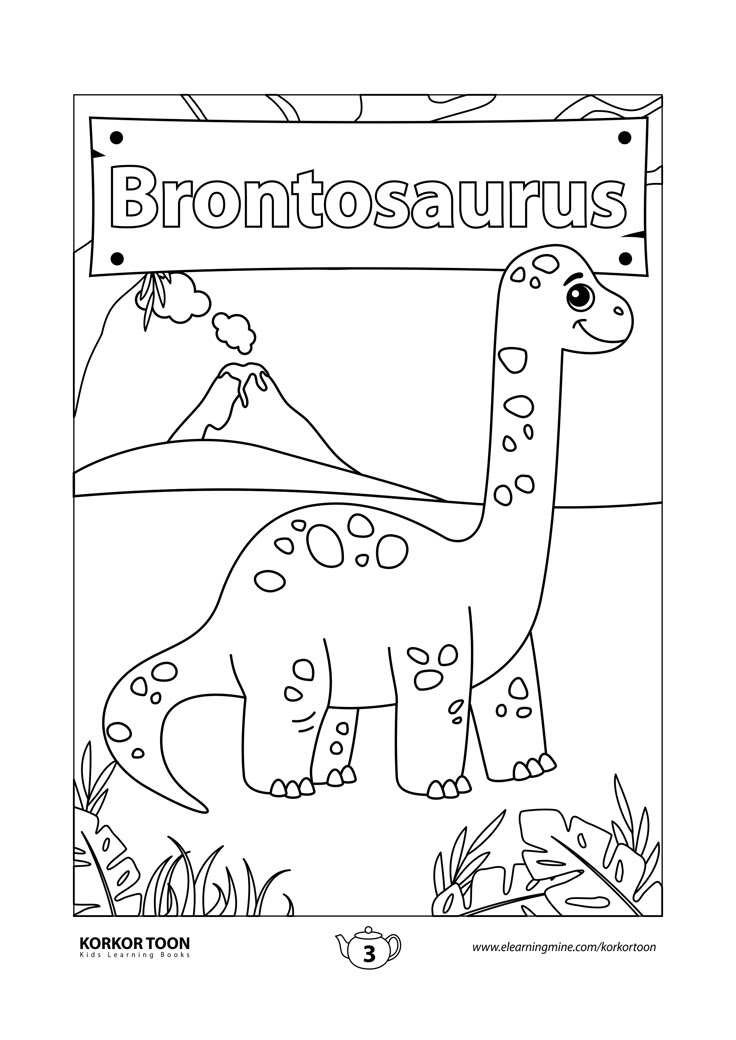
Roaring Fun: Brontosaurus Dinosaur Coloring Pages for Kids
The brontosaurus dinosaur coloring pages provide a vibrant gateway into the prehistoric world, inviting both children and adults to connect with these...