Colorful Science Binder Cover Pages to Print and Color
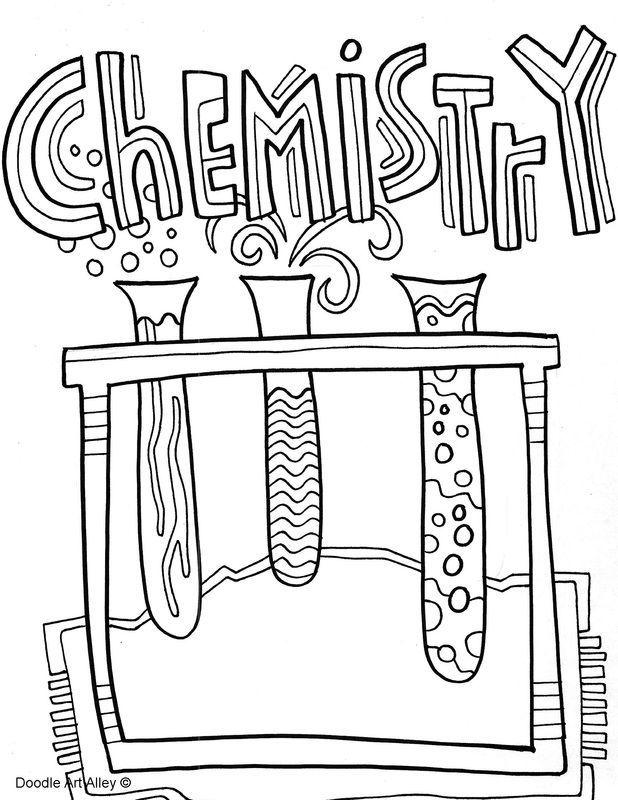
Science binder cover coloring pages transform standard school supplies into personalized portals of discovery, merging the structure of organization with the free-flowing nature of art. For students, educators, and lifelong learners, these sheets provide a unique canvas to visualize complex concepts, from the periodic table to the vastness of space, turning a mundane binder into an engaging study tool. This approach leverages visual learning to make scientific facts more approachable and memorable, bridging the gap between left-brain logic and right-brain creativity.
The Educational Power of Customization
Unlike generic textbook covers, a science binder cover colored by the student becomes an active participant in the learning process. The act of selecting colors and patterns for concepts like cellular mitosis or chemical reactions creates a mental association that strengthens memory retention. This tactile experience allows for the physical manifestation of abstract ideas, helping to solidify difficult terminology and scientific vocabulary. By taking ownership of the design, students develop a sense of pride and investment in their educational materials, which often leads to increased care and organization.
Thematic Consistency Across Subjects
Science binder cover coloring pages offer incredible flexibility, allowing for thematic cohesion across different disciplines. A student studying astronomy can use deep blues and vibrant whites to depict constellations, while a biology enthusiast might opt for greens and browns to represent ecosystems and botany. This flexibility ensures that the cover is not just decorative, but a thematic anchor that helps categorize subjects visually. Teachers can even provide specific templates that align with current curriculum units, turning the cover into a dynamic learning aid that evolves with the course material.


Accessibility and Ease of Implementation
One of the greatest advantages of utilizing these coloring resources is their accessibility. They require minimal investment—often just a printer and a set of crayons or markers—making them an ideal option for classrooms and homeschool environments alike. Numerous reputable educational websites offer free, high-quality printable sheets, eliminating the need for expensive custom-designed materials. Furthermore, these pages are highly adaptable; they can be used for quick classroom activities, take-home assignments, or summer enrichment projects, fitting seamlessly into any schedule.
Fostering Focus and Mindfulness
Coloring intricate scientific diagrams, such as a detailed cross-section of the human brain or the structural lattice of a crystal, provides a meditative break from traditional textbook reading. This activity engages the brain in a way that reduces stress and anxiety associated with academic pressure, promoting a calm focus conducive to studying. The rhythmic motion of filling in boundaries encourages mindfulness, allowing students to process complex information in a relaxed state. This blend of relaxation and education makes the learning experience more holistic and less intimidating.


Design Elements and Scientific Accuracy
High-quality science binder cover coloring pages strike a balance between artistic appeal and factual representation. Look for designs that incorporate accurate anatomical structures, correct molecular formations, or realistic portrayals of the solar system. This attention to detail ensures that the creative process is also an exercise in learning, reinforcing correct scientific imagery rather than misconceptions. Whether featuring the rugged terrain of Mars or the intricate valves of the heart, these designs serve as both art and reference materials.
Practical Organization Benefits
Beyond aesthetics and education, these covers offer significant organizational value. A personalized binder is easily identifiable among a stack of identical school supplies, reducing the time spent searching for the correct notebook. The defined sections encourage better note-taking habits, as students associate specific colors or symbols with different chapters or units. This structured approach to organizing information translates to improved study habits and a more efficient review process, ultimately boosting academic performance.


Related Articles

Colorful Math Binder Cover Pages to Print and Color
For parents and educators navigating the often-challenging landscape of mathematics education, finding tools that blend learning with genuine engagement is a...

Camping Coloring Pages for Kids: Fun Nature Scenes to Print & Color
Camping coloring pages kids transform screen time into creative outdoor adventures, offering a portable escape to nature that fits right in a backpack. These...

Free Taylor Swift Coloring Book: 100+ Pages to Print and Color
Finding a free Taylor Swift coloring book online is more than just a search; it is an invitation to engage with the artistry behind the music. For devoted...

Free Holiday Coloring Pages to Print and Color
Holiday free printable coloring pages offer a simple yet profound way to bring creativity and calm into your seasonal celebrations. Whether you are a parent...

Stitch Girl Coloring: Free Cute Pages to Print and Color
Stitch girl coloring pages transform the beloved, chaotic creation from Disney's "Lilo & Stitch" into a canvas for creativity, allowing fans of all ages to...
Kawaii Aesthetic Coloring Pages: Cute Designs to Print and Color
Within the expansive universe of digital art and mindful creativity, kawaii aesthetic coloring pages have emerged as a beloved sanctuary for artists of every...