Learn Sanskrit Alphabets with Pictures: A Visual Guide
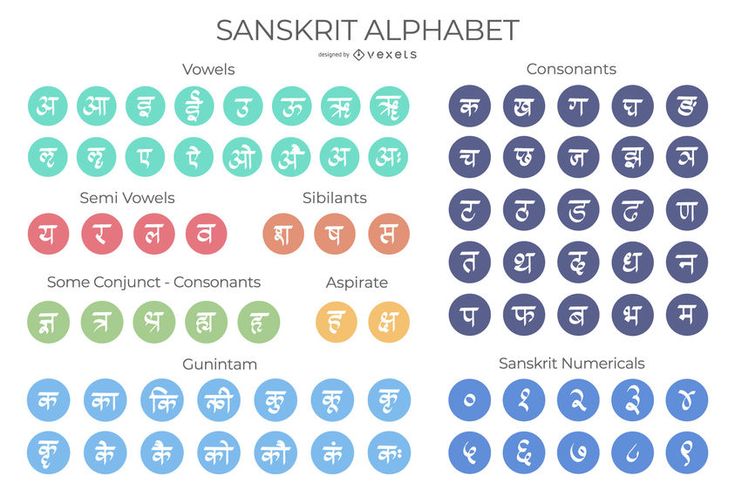
The Sanskrit alphabet, known as Varnamala, represents one of the most sophisticated and phonetically precise writing systems ever developed. This ancient script is not merely a tool for communication; it is a repository of sound science, where each character is meticulously designed to reflect the exact place of articulation in the human vocal tract. Understanding these symbols offers a direct connection to the linguistic heritage of India and the foundational texts of philosophy, medicine, and science.
The Structure and Philosophy of Varnamala
At its core, the Sanskrit alphabet is divided into two primary categories: Vowels (Svaras) and Consonants (Vyanjanas). What distinguishes Sanskrit from many modern alphabets is its systematic arrangement. The vowels are organized based on the position of the tongue in the mouth, progressing from back to front. Similarly, the consonants are grouped by their place of articulation, starting from the soft palate and moving forward towards the lips. This logical structure makes the script incredibly rational and easier to master than you might expect.
Vowels (Swaras): The Breath of Sound
Sanskrit vowels are the lifeblood of pronunciation, and they are categorized into two distinct groups: the simple vowels (Svabhavik Vowels) and the complex vowels (Yogavahas). The simple vowels consist of five primary sounds: अ (a), इ (i), उ (u), ऋ (ri), and लृ (lr). The complex vowels, which include sounds like ए (e) and ओ (o), are actually combinations of the simple vowels, created by transitioning smoothly from one mouth position to another without a break.


| Character | Transliteration | IPA Sound | Description |
|---|---|---|---|
| अ | a | /ə/ | The Schwa sound, like the 'a' in about. |
| आ | ā | /ɑː/ | The long 'a' sound, as in father. |
| इ | i | /ɪ/ | The short 'i' sound, as in sit. |
Consonants (Vyanjanas): The Architecture of Speech
Consonants in Sanskrit are categorized into five distinct groups, or 'vargas', based on the location in the throat and mouth where the airflow is obstructed. The first varga, known as the 'Ka' varga, consists of sounds produced at the back of the throat (velar stops). This includes क (ka), ख (kha), ग (ga), घ (gha), and ङ (ṅa). The subsequent groups move forward through the mouth: the 'Cha' varga (palatal sounds), the 'Ta' varga (cevical sounds), the 'Ta' varga (dental sounds), and finally the 'Pa' varga (labial sounds), which are formed with the lips.
| Group | Name | Place of Articulation |
|---|---|---|
| Ka Varga | Velar | Back of the tongue against the soft palate |
| Cha Varga | Palatal | Middle of the tongue against the hard palate |
| Ta Varga | Cevical | Top of the tongue against the roof of the mouth |
| Ta Varga | Dental | Tongue against the back of the upper teeth |
| Pa Varga | Labial | Lips coming together |
Visual Representation and Practical Usage
While the textual descriptions provide the structural logic, visual representation is key to truly appreciating the elegance of the script. Each character is a harmonious blend of lines and curves, designed to be written in a flowing manner. You will notice that most consonants have a horizontal line running along the top, which connects them when written in words. This feature gives Sanskrit handwriting a distinctive, lyrical appearance. Modern learners often benefit from seeing the characters alongside their Devanagari counterparts, as this script is the primary medium for writing Sanskrit today.


Learning the Sanskrit alphabet is the gateway to accessing millennia of wisdom. Whether you are a student of linguistics, a practitioner of yoga seeking to understand the true meaning of mantras, or a historian tracing the roots of Indo-European languages, mastering Devanagari is an invaluable skill. The phonetic perfection of the script ensures that pronunciation remains consistent, preserving the vibrational integrity of sacred sounds across centuries.
Conclusion: The Timeless Elegance of Script
The study of the Sanskrit alphabet reveals a language built on mathematics and phonetic science. The clear categorization of sounds and the logical progression from guttural to labial demonstrate a deep understanding of human speech physiology. For anyone embarking on the journey of reading Sanskrit, whether for academic research or spiritual exploration, familiarizing oneself with these Varnamala is the essential first step towards unlocking a profound and ancient world of knowledge.




Related Articles

Learn Urdu Alphabets with Pictures: A Visual Guide
Mastering the Urdu alphabet is the essential first step for anyone eager to read, write, or converse in this beautiful and melodious language. The script, with...

Learn Hindi Alphabets with Pictures: Visual Guide for Kids & Beginners
Mastering the Hindi alphabet is the essential first step for anyone embarking on the journey of learning this beautiful and ancient language. Each character...

Learn Gujarati Alphabets with Pictures: A Visual Guide
Embarking on the journey of the Gujarati language begins with its most fundamental building blocks: the Gujarati alphabets. This script, with its unique...

Learn Alphabets with Pictures: Fun Visual Guide for Kids
Learning to identify alphabets with pictures represents a crucial foundational step in a child's educational journey. This method leverages the natural human...
Learn the Sanskrit Alphabet with Pictures: A Visual Guide
The Sanskrit alphabet, revered as the divine sound structure of the universe, forms the foundational script for one of the world's most ancient and...

Learn Nepali Alphabet with Pictures: A Visual Guide
Understanding the Nepali alphabet is the essential first step for anyone wishing to learn the Nepali language, the official tongue of Nepal. This script, known...