A-Z Printable Cursive Alphabet: Free Tracing Worksheets for Kids
Mastering the fluid connection between letters is a foundational skill that elevates handwriting from mere communication to an art form. The printable cursive alphabet serves as the essential roadmap for this journey, offering a structured yet flexible guide for learners of all ages. Unlike disconnected print letters, cursive script emphasizes grace, speed, and rhythm, creating a unique personal signature. This collection of printable resources is designed to provide a reliable, accessible tool for anyone seeking to learn or teach this timeless skill.
The Anatomy of Cursive: Why Connection Matters
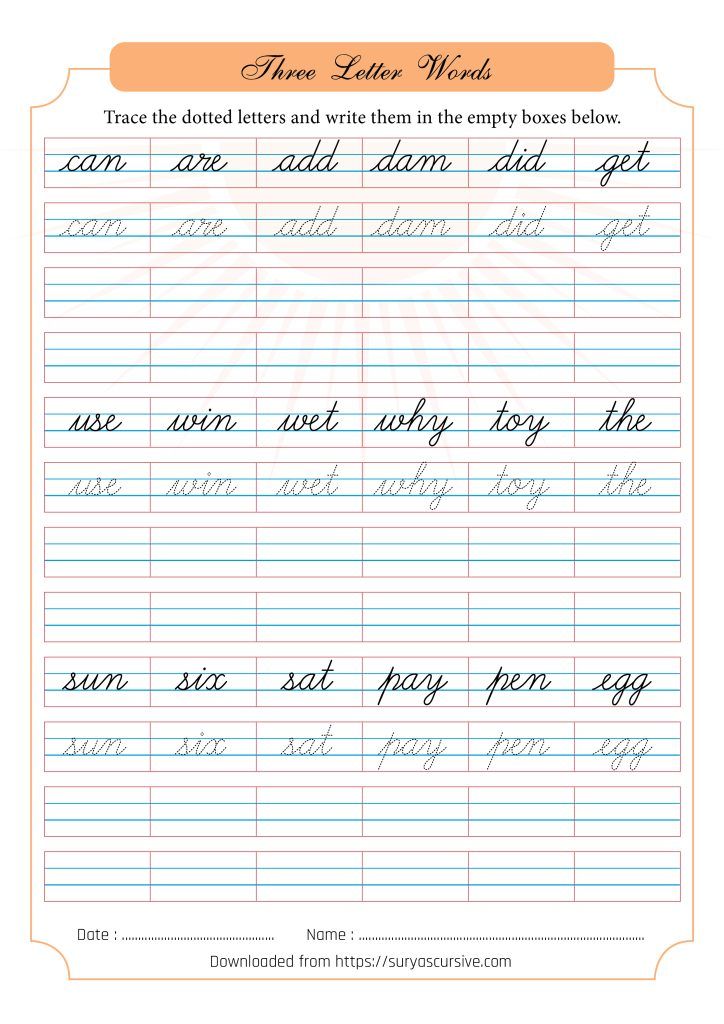
Cursive writing is defined by its inherent connectivity, where the pen rarely lifts from the page. This continuous flow differentiates it from block letters and contributes to its characteristic speed and elegance. Understanding the specific path each letter takes—from entry and exit strokes to the precise formation of loops and curves—is crucial for developing a consistent and legible style. A printable guide breaks down these complex movements into manageable visual steps, allowing users to trace and internalize the correct muscle memory before attempting freehand writing.
Benefits of Using a Printable Resource
The primary advantage of a printable cursive alphabet lies in its convenience and versatility. Physical copies can be placed on a desk for immediate reference, eliminating the need to toggle between digital windows during practice sessions. Furthermore, printing multiple copies allows for dedicated tracing exercises, letter-specific drills, and ample space for repetition without the constraints of screen size. This tangible interaction with the letters often leads to better retention and a deeper kinesthetic understanding of the writing process.


Enhancing Learning for Different Ages
Whether introducing a child to their first writing tool or helping an adult refine their signature, a printable cursive alphabet is an adaptable tool. For younger learners, large, clear fonts with numbered stroke sequences can simplify the process, turning practice into an engaging activity. Adults, on the other hand, might use the same resource to identify and correct specific problem areas, such as inconsistent letter size or awkward spacing. The flexibility of the format makes it a valuable asset in both classroom and home environments.
Practical Applications and Real-World Use
The ultimate goal of practicing with a printable alphabet is to translate those drills into confident, everyday writing. Once the individual letters are familiar, users can progress to connecting pairs and words, using the guide to maintain proper slope and alignment. This skill proves invaluable in numerous contexts, from adding a personal touch to greeting cards and signing official documents to taking efficient, uninterrupted notes. The fluency gained through practice transforms writing into a seamless extension of thought.


Choosing the Right Style for Your Needs
Not all cursive is created equal, and the best printable resource depends on your specific objective. Some styles feature elaborate loops and flourishes, often taught in traditional script lessons, while others prioritize a modern, clean aesthetic that is faster and more legible. When selecting a printable alphabet, consider the balance between aesthetic appeal and practical efficiency. A versatile resource will typically offer a standard, widely-recognized form that serves as a reliable foundation for developing your own unique handwriting personality.
Maximizing Your Practice Routine
Consistency is the key to unlocking the full potential of any printable tool. Dedicating even 10 to 15 minutes daily to focused练习 can yield significant improvements over time. Start by tracing each letter slowly, paying close attention to the entry and exit points, then gradually transition to copying the models without guidance. As your confidence grows, challenge yourself to write entire words and sentences, using the printable alphabet as a reference for maintaining correct form and spacing. This disciplined approach ensures that the skill becomes second nature.




Related Articles

Tracing Letters for Kids PDF: Fun, Free Printable Worksheets for Little Learners
Tracing letters for kids PDF resources have become an essential tool for parents and educators introducing children to the fundamentals of writing. These...

Fun Kids Tracing Shapes: Free Printable Worksheets for Little Learners
For many parents and educators, the journey into formal education begins with a simple yet profound activity: kids tracing shapes. This foundational exercise...
Cursive Alphabet Printables: Free Tracing Worksheets & Practice Sheets
For educators, parents, and lifelong learners seeking to master the foundational elements of written language, cursive alphabet printables represent an...

Printable Tracing Letters: Free Worksheets for Kids
Printable tracing letters serve as a foundational tool in early childhood education, helping young learners bridge the gap between verbal language and written...

Free Printable Alphabet Practice Sheets for Kids - Tracing & Writing Practice
Mastering the fundamentals of written language begins with the humble alphabet, and there is no more effective way to build that foundation than with practice...

Apple Alphabet Printables: Free Tracing Worksheets for Kids
Parents and educators seeking engaging early learning tools often turn to apple alphabet printables, a versatile resource for teaching letter recognition and...