Free Preschool Rhyming Worksheets – Fun, Easy-to-Print Rhyming Activities for Kids
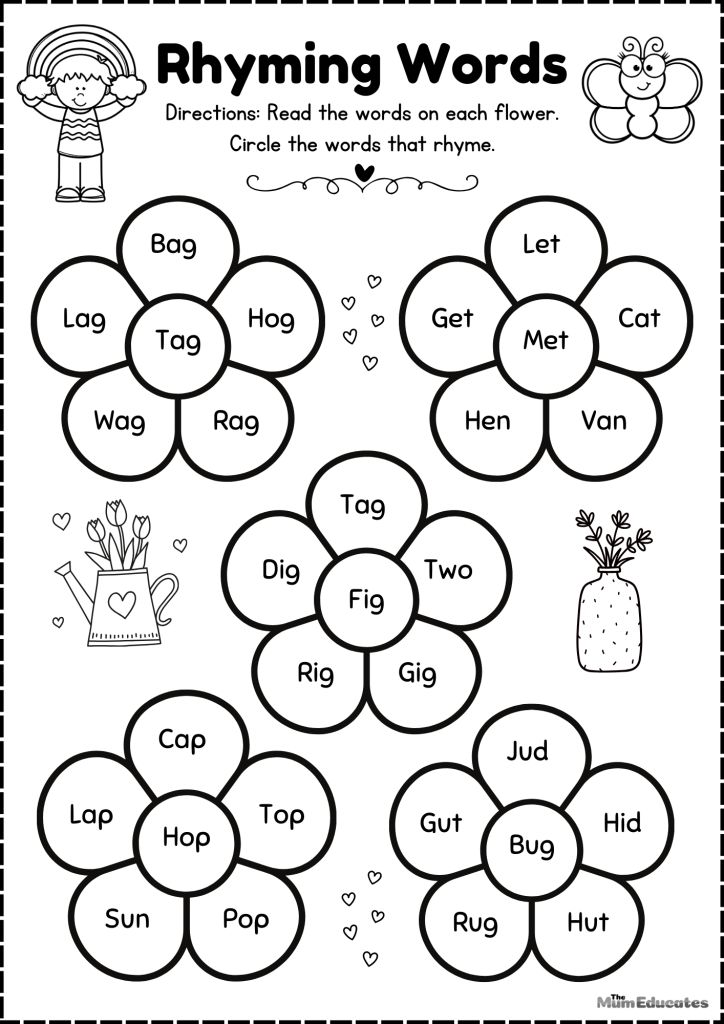
For parents and educators navigating the early stages of literacy development, preschool rhyming worksheets free resources serve as an invaluable tool. These printable materials offer a structured, yet playful, approach to introducing children to the foundational elements of phonemic awareness. The ability to identify and produce rhymes is a critical pre-reading skill, and accessing these worksheets without cost removes a significant barrier to high-quality early education.
Why Rhyming Skills Matter in Early Development
Understanding the mechanics of rhyming goes beyond simple entertainment; it is a core component of linguistic development for young learners. When children engage with preschool rhyming worksheets free, they are not just matching words—they are training their ears to hear the subtle similarities in sounds. This auditory discrimination is essential for decoding words when they begin to read. By recognizing that "cat" and "hat" share the same ending sound, children develop the foundational skills necessary to blend letters and sound out unfamiliar words in the future.
Advantages of Free Printable Resources
The accessibility of preschool rhyming worksheets free cannot be overstated. Unlike curated curriculum packages, these resources are immediately available for download, allowing for spontaneous lesson planning or targeted intervention. Educators can easily print multiple copies for an entire classroom, ensuring that every student has the opportunity to participate. Furthermore, parents looking to supplement their child's learning at home can utilize these free tools to create a consistent and supportive literacy environment without straining their budget.


Engaging Activities for Young Learners
Modern preschool rhyming worksheets free have evolved far beyond simple fill-in-the-blank exercises. They now incorporate a variety of engaging formats that cater to different learning styles. Visual learners benefit from matching illustrations, while kinesthetic learners enjoy cutting and pasting activities. Many worksheets feature themes involving animals, colors, or everyday objects, which helps to contextualize the learning and keeps children entertained while they master the concept of sound patterns.
Common Formats and Exercises
- Matching Pairs: Children draw lines connecting pictures of rhyming objects, such as a sun and fun, or a dog and log.
- Fill-in-the-Blank: Simple sentences provide a context where a specific rhyming word is missing, encouraging the child to deduce the correct answer.
- Circle the Correct Answer: Multiple images are presented, and the child must identify which one rhymes with a given target word.
Integrating Worksheets into Playful Learning
To maximize the effectiveness of preschool rhyming worksheets free, it is important to integrate them into a broader play-based learning framework. A worksheet session works best when it is a short, focused activity rather than a lengthy drill. Parents and teachers can enhance the experience by turning the exercise into a game, perhaps timing how quickly the child can find all the rhyming pairs or offering praise for creative rhyming answers that go beyond the worksheet itself. This connection between structured practice and playful reinforcement solidifies the learning experience.


Supporting Diverse Learning Needs
Another significant benefit of utilizing preschool rhyming worksheets free is the flexibility they offer for diverse learners. For children who are just beginning to grasp the concept, the worksheets provide a gentle introduction to sound play. For advanced learners, the complexity can be increased by focusing on less common rhyming patterns or by encouraging them to create their own rhyming pairs on the back of the worksheet. This adaptability makes these resources suitable for a wide range of abilities and developmental stages.
Where to Find Quality Materials
Finding reliable sources for preschool rhyming worksheets free requires a discerning eye to ensure the content is educationally sound and visually appealing. Reputable educational websites, teacher resource forums, and public library digital collections often host a vast selection of high-quality printables. When selecting a worksheet, look for clear imagery, simple instructions, and a focus on common phonetic patterns. Prioritizing well-designed materials ensures that the child is practicing correct phonics rules and developing a genuine understanding of language structure.




Related Articles

Free Preschool Easter Worksheets: Fun Spring Activities for Kids
Finding high-quality, educational resources for preschoolers should be effortless, and free preschool easter worksheets deliver exactly that. These printable...

Free Preschool Worksheets PDF Free Download: Fun Learning Activities for Kids
Finding high-quality, ready-to-use educational materials for young learners can often feel like a daunting task for parents and educators. The search for...

Free Printable Thanksgiving Preschool Worksheets – Fun Learning Activities for Kids
Free printable Thanksgiving preschool worksheets represent a valuable resource for parents and educators preparing children for the holiday season. These...

Free Printable Preschool Teeth Worksheets: Fun Dental Care Activities for Kids
Establishing a solid oral hygiene routine during the early years is fundamental for a child's long-term health, yet getting young children to engage with...
Free Math Preschool Worksheets: Fun Learning Activities for Kids
Parents and educators navigating the early stages of a child's academic journey often seek accessible resources that build a solid foundation without breaking...

Earth Day Worksheets for Preschool Free: Fun Eco Activities for Kids
Finding high-quality, earth day worksheets for preschool free resources can be a challenge for parents and educators eager to instill a love for nature in...