Apple Parts Coloring Sheet: Fun & Educational Fruit Diagram for Kids
Engaging with a parts of an apple coloring sheet offers a unique blend of education and creativity, making it a valuable tool for both classrooms and homes. This specific activity moves beyond simple fruit outlines, focusing on the intricate anatomy that lies beneath the skin. By labeling and coloring distinct sections, children and learners visualize the complex structure of a common fruit. The process transforms a blank page into a dynamic diagram, fostering a hands-on understanding of botany. This method is particularly effective for young minds, as it combines visual learning with tactile engagement. The simplicity of the worksheet belies the detailed biological lesson it imparts.
The Core Components: Anatomy of the Outline
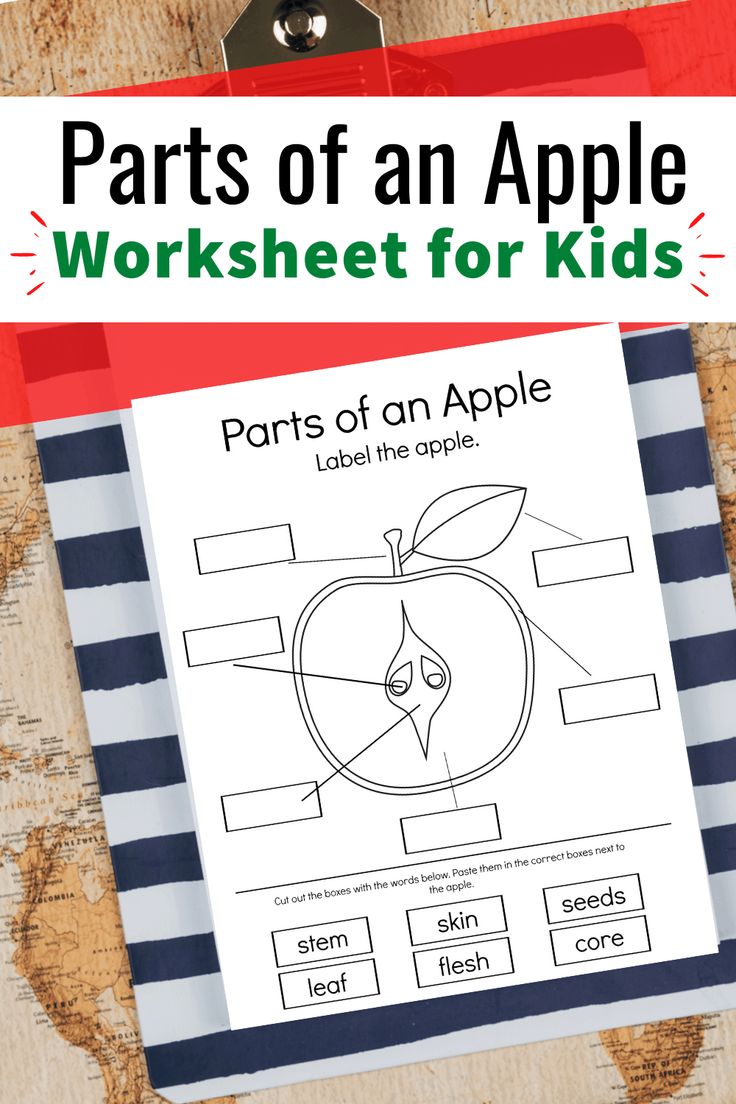
A standard parts of an apple coloring sheet will feature a large, simplified apple shape ready for color. Within this basic form, specific sections are designated for distinct educational labels. You will typically see clear outlines for the skin, flesh, and seeds, which form the fundamental triad of the fruit's structure. The skin, or exocarp, is the outer protective layer, often the first area children color. Beneath the skin lies the fleshy tissue, known as the mesocarp, which is the crisp, edible part we enjoy. Finally, the innermost section represents the core, housing the seeds that enable the apple tree to reproduce.
Focusing on the Stem and Calyx
Beyond the main body, a high-quality worksheet highlights the specific parts of an apple coloring sheet related to its origin. The stem is a crucial element, depicted as the small, woody projection at the top of the fruit. This part connects the apple to the tree branch and is often where the harvest begins. Accompanying the stem is the calyx, the cluster of sepals located at the opposite end. Usually illustrated as a small, star-shaped pattern, the calyx protected the flower before the apple blossomed. Coloring these small details teaches precision and attention to the entire fruit lifecycle.


The Seed Chamber and Its Importance
An often-overlooked feature in these educational sheets is the seed chamber, or core cavity, located at the center of the apple. This compartment holds the seeds, which are the future trees. The worksheet will usually depict small, individual shapes within this central area, representing the seeds. Understanding this part is vital for explaining how new apple varieties are cultivated. By coloring the seeds, learners recognize that the fruit we eat is essentially a vessel for propagation. This transforms the coloring exercise into a lesson on agriculture and natural growth cycles.
For educators and parents, the parts of an apple coloring sheet serves as an excellent conversation starter about nutrition and health. While filling in the red, green, or yellow sections, adults can discuss why apples are a healthy snack. The vibrant colors used in the activity directly connect to the antioxidants and vitamins found in the actual fruit. This visual link encourages healthy eating habits from a young age. The act of coloring reinforces the idea that the food we eat comes from a specific, identifiable source.


Educational Integration and Practical Use
These worksheets are versatile tools that integrate seamlessly into various learning environments. In a science class, they can accompany a unit on plant biology or the life cycle of a tree. In an art lesson, they provide a structured canvas for practicing color blending and shading techniques. Speech therapists might use the labeled diagram to help children associate words with images, expanding their vocabulary. The flexibility of the parts of an apple coloring sheet ensures it remains relevant across multiple subjects. It provides a screen-free activity that is both calming and intellectually stimulating.
Ultimately, a parts of an apple coloring sheet is more than a simple pastime; it is a compact educational resource. It breaks down a familiar object into its essential botanical components, making the complex understandable. Learners engage with the material visually, verbally, and kinesthetically, which reinforces the information effectively. This combination of labeling and coloring cements the anatomy of the fruit in long-term memory. The result is a deeper appreciation for a simple fruit and the natural world it represents.




Related Articles

Free Fruit Coloring Pages for Kids: Fun & Educational Apple, Banana & Orange Activities
Free fruit coloring pages for kids offer a simple yet powerful tool for parents and educators looking to combine fun with early learning. These printable...

Apple Kids Coloring Pages: Fun & Educational Fruit-Themed Activities
Apple kids coloring pages present a vibrant gateway to creativity for young artists. These printable resources transform a simple fruit into a canvas for...
Free Fruit Coloring Pages for Kids – Fun & Educational Art Activities
Accessing fruit coloring pages free resources has never been easier for parents, educators, and creative individuals. The internet offers a vast library of...
Apple Free Coloring Pages: Fun & Educational Sheets for Kids
Finding high quality, screen free activities for children can often feel like searching for a needle in a haystack. Parents and educators frequently seek...

Apple Picking Coloring Sheet: Fun Autumn Activity for Kids
Apple picking coloring sheet offers a delightful intersection of seasonal tradition and creative expression. This simple activity captures the essence of...
Preschool Apple Coloring Sheet: Free Printable Fun for Kids
Preschool apple coloring sheets provide a foundational activity that supports early childhood development through creative expression. This simple yet...