Apple Anatomy Coloring Page: Printable Parts of an Apple Worksheet
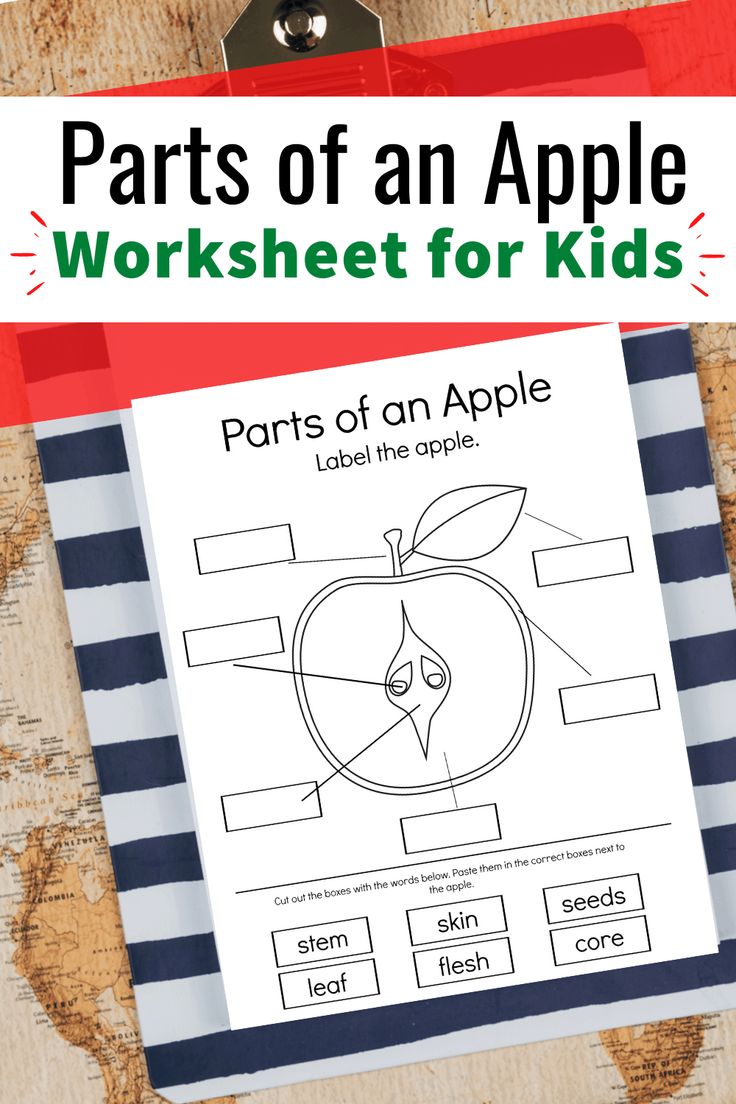
Engaging with a parts of an apple coloring page printable offers a unique blend of education and creativity for children. This specific activity moves beyond simple fruit coloring, transforming a common snack into a detailed learning tool. By focusing on the distinct components of the apple, young learners can visually map out the structure while developing fine motor skills. The act of coloring requires concentration and control, turning a passive image into an interactive lesson.
Why Anatomy Coloring Pages Are Effective Learning Tools
Coloring pages that label specific sections, such as the stem, skin, or core, leverage visual learning to enhance retention. When a child colors the "skin" section a specific color, they create a mental association between the word and the visual representation. This method is particularly effective for kinesthetic learners who benefit from hands-on activities. A parts of an apple coloring page printable serves as a blank canvas for this cognitive connection, making abstract botanical terms concrete and understandable.
Breaking Down the Basic Structure
Most high-quality printable pages will break the apple down into its essential anatomical features. These usually include the outer skin, the flesh or pulp, the core containing the seeds, the stem, and the calyx (the flower remnant). By labeling these parts, the coloring page functions as a worksheet. Children can reference a key or listen to a guided explanation to color each section correctly, reinforcing their vocabulary and understanding of botany in a single, enjoyable exercise.


Printable Variations and Artistic Freedom
The beauty of a printable resource lies in its versatility. You will find versions ranging from highly detailed anatomical diagrams to simple, cartoonish outlines suitable for toddlers. A detailed page might label the seeds within the core, encouraging a discussion about plant reproduction. In contrast, a simpler version allows a child to focus purely on the artistic process, coloring the apple red, green, or yellow without the pressure of memorizing specific terminology. This flexibility ensures the resource is useful across various age groups and learning objectives.
Integration into Lesson Plans
Educators and parents can easily integrate a parts of an apple coloring page printable into a broader unit on nutrition, seasons, or agriculture. While the image dries, it is the perfect moment to discuss where apples grow, the importance of a balanced diet, or the lifecycle of a fruit tree. The coloring activity provides a quiet, focused window to introduce these larger concepts, using the physical page as a tactile anchor for the conversation.


The Role of Fine Motor Skill Development
Beyond academic knowledge, the act of coloring within the lines of a detailed apple illustration is crucial for developing fine motor proficiency. Holding a crayon or marker and applying consistent pressure helps strengthen the small muscles in the hand and fingers. These skills are the foundation for future writing abilities. As children choose colors and navigate the contours of the apple, stem, and leaves, they are unknowingly preparing for the complex task of handwriting.
Accessibility and Convenience
A significant advantage of a printable format is the immediate accessibility it provides. Unlike a physical toy or book, you can download and produce a copy instantly, making it ideal for last-minute childcare needs or classroom activities. The cost of entry is minimal, often requiring only a standard printer and household items like crayons or colored pencils. This ease of use encourages spontaneous learning opportunities rather than relying on pre-made, expensive educational kits.
Encouraging Observational Skills
To color an apple accurately, a child must first observe it closely. If the printable includes a real photograph or a realistic illustration, the child learns to notice subtle details—the gradient of the color from light to dark, the texture of the skin, or the slight asymmetry of the fruit. Even with a stylized image, the process prompts questions: "Is the stem brown or green?" or "Where exactly does the leaf attach?" This active observation sharpens visual perception and attention to detail, skills that extend far beyond the page.




Related Articles
Apple Anatomy Coloring Page: Parts of an Apple Worksheet for Kids
Engaging with a parts of an apple coloring page offers far more than a simple pastime; it provides a hands-on educational experience for children and adults...

Color & Label Body Parts Fun Worksheet – Free Printable Anatomy Activity
For educators and parents seeking effective resources, a coloring body parts worksheet serves as a foundational tool for early childhood development. This...
Free Apple Parts Coloring Page – Learn & Color the Apple Anatomy
Engaging children with educational activities often begins with a simple outline, and a parts of an apple coloring page free resource provides the perfect...

Apple with Bite Coloring Page: Fun & Easy Printable Sheets
Discover the iconic image of an apple with a bite taken out, a symbol steeped in history and meaning. This simple visual has become a powerful representation...

A is for Apple Coloring Page Printable – Fun Apple Activity for Kids
Engaging children with educational activities is easier when the materials are both accessible and entertaining. A is for apple coloring page printable offers...
Cute Apple Coloring Page: Free Printable Sheets for Kids
Discover the delightful world of the cute apple coloring page, a charming and versatile art project that brings a touch of whimsy to any creative session...