Panda Bear Near Me: Spot the Cute Giant Bamboo Eater Now!
Whether you are planning a spontaneous weekend getaway or actively plotting your next vacation, the search term "panda bear near me" likely holds more appeal than you might initially think. This specific query speaks to a deep, widespread fascination with one of nature's most beloved and gentle creatures. Beyond a simple location lookup, this search often represents a desire for connection, a wish to witness the quiet dignity of these animals in person, and a commitment to supporting conservation efforts. Finding a reputable facility dedicated to their care becomes a meaningful experience rather than just a casual outing.
Understanding the Giant Panda's Global Appeal
The giant panda's status as a global icon is undeniable. Their distinctive black-and-white coloring and remarkably calm demeanor have captured the human imagination for decades, transforming them into symbols of peace, conservation, and rare beauty. This popularity translates directly into public interest; people genuinely want to see these animals not as circus performers, but as dignified residents in settings that prioritize their well-being. The search for a "panda bear near me" is often the first step in a journey toward understanding and appreciating this unique species. It reflects a public eager to move beyond television documentaries and experience a tangible connection to wildlife conservation.
Evaluating Facilities: Zoos and Conservation Centers
When your search for a "panda bear near me" yields results, it is critical to evaluate the facilities you find with a discerning eye. Not all institutions provide the same standard of care, and the welfare of the animal should always be the paramount consideration. Look for accredited facilities that are transparent about their animal care protocols, enrichment programs, and conservation contributions. A reputable establishment will focus on education and conservation messaging, offering insights into the giant panda's native habitat and the challenges they face in the wild. Prioritizing these factors ensures your visit supports ethical practices.


Key Features of a Quality Panda Habitat
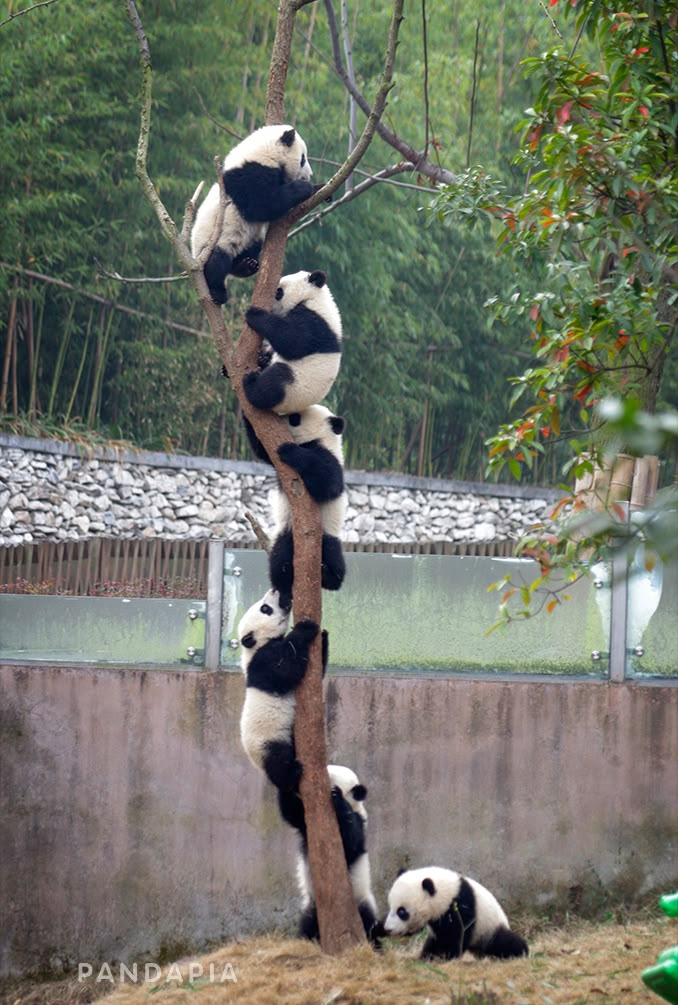
- Spacious, naturalistic enclosures that allow for climbing, foraging, and resting.
- Educational signage and interactive exhibits that detail the animal's diet and behavior.
- Visible signs of active conservation partnerships with breeding programs in China.
- Focus on animal welfare indicators like healthy body condition and natural behaviors.
The Dietary Habits and Lifestyle of the Giant Panda
Part of the intrigue surrounding the giant panda lies in their specialized lifestyle. Despite being classified as carnivores, their diet is overwhelmingly composed of bamboo, which they must consume in significant quantities daily to meet their nutritional needs. Learning about this specific dietary requirement is a common and fascinating aspect of visiting a facility. Observing them methodically feeding, often for up to 12 hours a day, provides a unique window into their natural behaviors. Understanding this helps visitors appreciate the careful planning and specific vegetation required by these animals in any captive environment.
Planning Your Visit: What to Expect
Once you have identified a suitable location from your search for "panda bear near me," planning your visit becomes the next logical step. Arrive with ample time to explore the entire habitat, as pandas are often most active during cooler parts of the day, which may not align with peak visiting hours. Many accredited zoos and conservation centers offer live webcams, providing a glimpse into the panda enclosure even when you cannot visit in person. Checking the facility's website for specific panda viewing times, feeding demonstrations, and any conservation talks will enhance your experience significantly, turning a simple visit into an educational journey.


The Role of Responsible Tourism
Choosing to visit a facility that houses giant pandas is a decision that extends beyond personal entertainment; it is a vote for conservation. Entrance fees and donations directly fund critical research, habitat preservation initiatives in China, and breeding programs aimed at ensuring the species' future. By supporting these institutions, you become an active participant in the global effort to protect this endangered species. A responsible visitor seeks out these conservation stories, understanding that their presence contributes to a larger mission of species survival and environmental stewardship.
Conservation Efforts and Future Outlook
The narrative surrounding the giant panda is one of hopeful recovery. Decades of dedicated conservation work, including extensive bamboo forest preservation and sophisticated breeding programs, have moved the species from "Endangered" to "Vulnerable" on the IUCN Red List. When you search for a "panda bear near me," you are connecting with a success story in the world of wildlife conservation. Continued public interest and support are vital for maintaining this momentum. Your visit helps ensure that these incredible animals will continue to thrive for generations to come, serving as ambassadors for the countless other species that depend on protected habitats.




Related Articles

Cute Panda Bear Coloring Pages for Kids – Fun & Free Printable Activities
Panda bear coloring pages for kids offer a delightful gateway into the natural world, combining the gentle appeal of these beloved animals with the simple joy...

Cute Panda Bear Colouring Pages for Kids – Print & Download
Panda bear colouring pages present a unique intersection of art, education, and conservation, offering a tranquil activity for individuals of all ages. These...

Cute Panda Bear Coloring Pages: Free Printable Activities for Kids
Discover the delightful world of cute panda bear coloring pages, where charming black and white illustrations meet the creative joy of coloring. These specific...
Stillwater Panda Coloring Page: Cute Giant Panda Sheets for Kids
Engaging with a stillwater panda coloring page offers a unique blend of artistic expression and tranquil focus. These specific templates capture the serene...

Cute Panda and Bamboo Coloring Pages for Kids – Free Printable
The intricate relationship between the panda and bamboo is one of nature's most iconic symbioses, and capturing this bond through art is a rewarding...
Cute Panda with Bamboo Coloring Page for Kids – Free Printable
For parents and educators seeking enriching activities for children, the panda with bamboo coloring page stands out as a perfect combination of simplicity and...