Opposite Cut and Paste Worksheets: Fun Reversal Activities for Kids
For educators and parents navigating the early stages of literacy development, the humble worksheet remains a powerful tool. The opposite cut and paste worksheet specifically targets a critical cognitive skill: the understanding of antonyms and the dexterity required for fine motor tasks. This dual focus makes it an invaluable resource for transforming abstract language concepts into tangible, hands-on learning experiences that build a robust vocabulary foundation.
The Mechanics of Opposite Learning
At its core, this type of worksheet is designed to reinforce semantic relationships between words. Instead of passive recognition, it demands active engagement. Children are presented with a word and must identify its opposite from a selection of options, often followed by a physical task. This process moves beyond simple memorization, encouraging deep cognitive processing as the brain searches for the contrasting meaning. The inclusion of a cutting and pasting component adds a layer of complexity that integrates linguistic analysis with practical application, solidifying the lesson in a memorable way.
Developing Fine Motor Skills
The physical act of cutting out words or images is more than just a fun activity; it is essential for developing the small muscles in the hand and fingers. As children carefully grip scissors and navigate the paper, they are honing the precise movements required for future writing tasks. The subsequent step of pasting the cut pieces into the correct location on the page further enhances hand-eye coordination and spatial awareness. This integration of language and motor skills creates a holistic learning experience that supports overall developmental growth.


Structural Components of the Worksheet
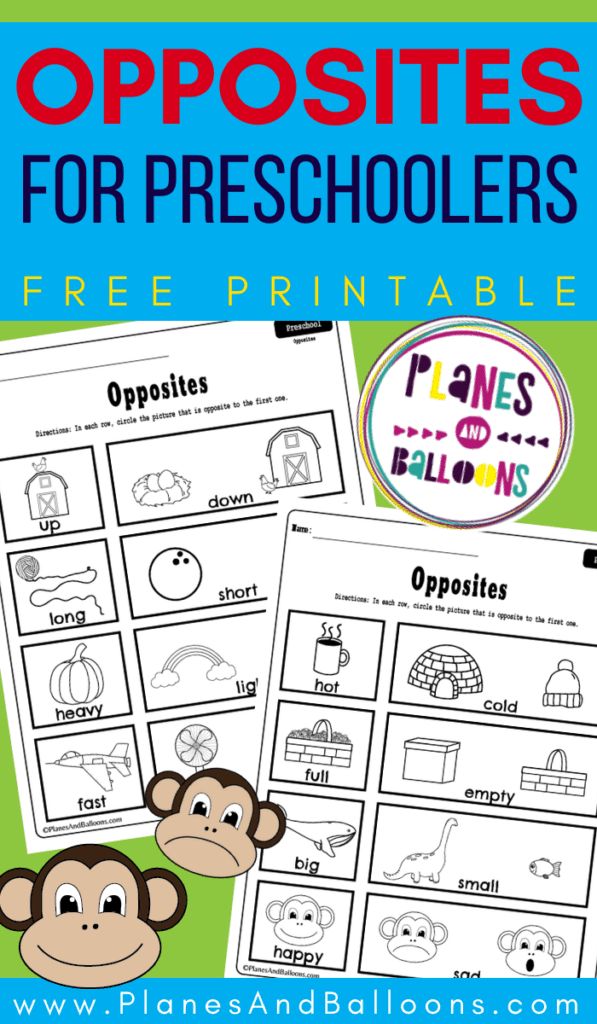
A well-designed opposite cut and paste worksheet is visually organized to guide the student seamlessly through the task. Typically, it features a clear header, distinct sections for the source words, the target opposites, and a designated workspace for the final assembly. Visual aids, such as simple illustrations, often accompany the text to provide context for emerging readers. The layout is intentionally straightforward to minimize cognitive load, allowing the child to focus entirely on the linguistic challenge at hand.
| Worksheet Section | Purpose | Benefit for Learner |
|---|---|---|
| Word Bank | Provides a selection of words to choose from | Reduces overwhelm and scaffolds the decision-making process |
| Cutting Area | Contains the elements to be severed with scissors | Practices safe scissor handling and control |
| Pasting Area | Designated space for the assembled answer | Encourages planning and correct placement |
Implementation in the Classroom
Teachers can utilize these worksheets in a variety of instructional settings to maximize their impact. They work effectively as independent practice during literacy centers, allowing students to apply concepts at their own pace. In a small group intervention, the worksheet becomes a focal point for guided discussion, where the educator can probe a student's reasoning behind choosing a specific opposite. This versatility ensures the resource aligns with diverse lesson plans and learning objectives.


Vocabulary Expansion Through Repetition
Mastery of language relies heavily on exposure and repetition. By repeatedly engaging with opposite pairs—such as hot/cold, up/down, or big/small—students internalize these relationships. The worksheet format encourages this repetition in a structured format, preventing the confusion that sometimes arises with ambiguous words. Over time, this builds a mental thesaurus of antonyms that a child can instantly access, significantly improving their expressive and receptive language skills.
Ultimately, the opposite cut and paste worksheet succeeds because it respects the child’s need for interactive learning. It transforms the sometimes-dry study of vocabulary into an engaging, tactile experience. By combining linguistic challenges with practical tasks, it provides a solid foundation for confident communication and a genuine appreciation for the nuances of language.




Related Articles

Cut and Paste Toddler Worksheets: Fun Learning Activities for Kids
Cut and paste toddler worksheets represent a foundational element in early childhood education, bridging the gap between abstract learning and tangible...

Quadrilateral Cut and Paste Worksheets: Fun Shape Activities for Kids
Quadrilateral cut and paste worksheets represent a foundational tool in early geometry education, providing a tactile bridge between abstract shapes and...

Cut and Paste Body Parts Worksheets: Fun Anatomy Activities for Kids
Cut and paste body parts worksheets provide a dynamic tool for teaching anatomy and fine motor skills to young learners. These printable pages move beyond...
Trace Cut and Paste Worksheets: Free Printable Activities for Kids
Trace cut and paste worksheets represent a foundational educational tool designed to develop essential pre-writing skills in young learners. These exercises...

Cut and Paste Sequencing Worksheets Free – Fun Activities for Kids
For educators and parents navigating the early stages of literacy development, finding effective and accessible tools is essential. Cut and paste sequencing...

Cut and Paste Ten Frame Worksheets: Fun Math Activities for Kids
Cut and paste ten frame worksheets represent a foundational tool in early childhood mathematics education, offering a tactile and visual method for young...