Printable Nonogram Puzzles: Picture Challenge for Kids & Adults
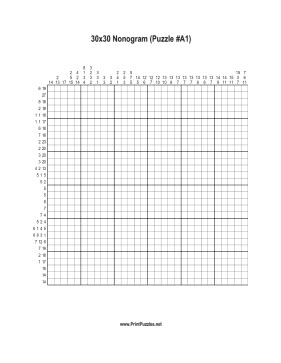
Nonogram picture printable represents a fascinating intersection of logic, art, and relaxation. These grid-based puzzles, also known as Picross or Hanjie, challenge players to reveal hidden images by marking cells within a rectangular grid. The completed picture emerges from a sequence of clues provided at the side of each row and column, requiring patience and deduction. For many, the appeal lies in the transformation from a seemingly random field of squares to a clear and often recognizable image. Printable versions of these puzzles have surged in popularity, offering a tactile and screen-free alternative to digital formats. This format allows for repeated use, gifting, and a sense of permanence that many enthusiasts appreciate.
The Mechanics of a Logic Puzzle
At its core, a nonogram operates on a simple set of rules that create complex results. Each puzzle grid is accompanied by a series of numbers for every horizontal row and vertical column. These numbers denote the lengths of consecutive filled squares within that line, serving as the primary clues. For instance, a clue reading "4" indicates a solid block of four filled cells, while "2 3" signifies a gap between two separate blocks. The challenge is to deduce which cells must be filled and which must remain blank to satisfy all the given numerical constraints simultaneously. The process is one of systematic elimination and logical inference, where solving one segment of the grid often unlocks the solution for another.
Deduction and the "X" Mark
Seasoned players develop a keen eye for patterns, allowing them to fill in squares with confidence. When a block of a specific length reaches the edge of the grid or butts up against another solved segment, it is often marked with an "X" to denote emptiness. These "X" marks are just as important as the filled squares, as they help define the boundaries and spacing of the final picture. The interplay between filled cells and these negative spaces is what gives nonograms their unique charm. It is a dialogue between presence and absence, where the empty areas are just as crucial to the solution as the colored ones.
Benefits of Printable Formats
While numerous digital applications exist, opting for a nonogram picture printable offers distinct advantages. The act of physically marking a grid with a pencil provides a different cognitive engagement than tapping a touchscreen. Many users find the tactile experience enhances focus and reduces the distractions common in digital environments. Furthermore, a printed puzzle functions as an excellent tool for concentration and mindfulness, allowing the solver to disconnect from digital noise. Once completed, the physical sheet serves as a tangible accomplishment, a testament to patience and problem-solving skills that can be displayed or gifted.


Educational and Therapeutic Uses
These puzzles are invaluable in educational settings, primarily used to teach logical reasoning and problem-solving to students. They help develop pattern recognition and sequential thinking without requiring advanced mathematical knowledge. In therapeutic contexts, nonograms are frequently utilized to support cognitive rehabilitation and to maintain mental agility in older adults. The structured nature of the task promotes concentration and can provide a calming, meditative state. By engaging both the logical left brain and the creative right brain, printable nonograms offer a balanced mental workout that is both enjoyable and beneficial.
Finding High-Quality Resources
Locating quality nonogram picture printable sheets requires some discernment to ensure a satisfying experience. The best sources provide a variety of difficulty levels, catering to both beginners and expert solvers. Look for websites that offer a wide selection of themes, ranging from simple animals to intricate landscapes or famous icons. The clarity of the print is paramount; grids must be bold and clear to prevent eye strain. Reputable puzzle sites often categorize their collections by size, such as 10x10, 15x15, or 25x25, allowing users to select the appropriate challenge for their available time and skill level.


Theme and Complexity
The diversity of themes available for nonogram picture printable puzzles is one of their greatest strengths. Users can find puzzles featuring iconic vehicles, beloved cartoon characters, majestic animals, and stunning architectural landmarks. The complexity of the puzzle is typically dictated by the grid size and the sophistication of the image. Smaller grids are ideal for practicing techniques and quick entertainment, while larger grids provide a more immersive and rewarding experience. Selecting a puzzle that matches the solver's interest and skill level is key to maximizing enjoyment and avoiding frustration.
Integrating Puzzles into Daily Life
Incorporating nonogram picture printable activities into a daily routine can be a rewarding habit. Many enthusiasts keep a stack of printed puzzles on hand for coffee breaks or evening wind-down sessions. They serve as a healthy alternative to passive scrolling, providing a moment of focused engagement. Families can enjoy solving puzzles together, fostering collaboration and friendly competition. Ultimately, these printable sheets offer more than just a pastime; they are a medium for creativity, a tool for mindfulness, and a source of enduring satisfaction.




Related Articles

Printable Picture to Print and Color: Fun Coloring Sheets for Kids & Adults
Turning a digital image into a physical photograph or a vibrant, hand-colored artwork is a journey that bridges the gap between the virtual and the tangible...

T-Rex Coloring Page Hard: Printable Dinosaur Challenge for Kids and Adults
For enthusiasts seeking a specific creative challenge, the search for a t rex coloring page hard style represents a pivot from simple pastimes to detailed...

Connect the Dots Printable Large: Fun Puzzles for Kids & Adults
For parents and educators seeking enriching activities, the search for a connect the dots printable large often highlights the significant benefits of joining...

Printable Picture Sudoku for Kids – Fun Easy Puzzles
Introducing children to logic puzzles at an early age provides a unique blend of entertainment and education, fostering critical thinking skills in a fun and...

Cute Turtle Coloring Pages Printable – Fun for Kids and Relaxing for Adults
Turtle coloring coloring pages printable offer a perfect blend of relaxation and education, making them an ideal activity for both quiet moments and creative...

Colouring Picture Robot: Free Fun for Kids & Adults
Welcome to the vibrant world of the colouring picture robot, a fascinating intersection of technology and creativity. These intelligent machines are...