Mario Obstacle Course Coloring Page: Fun for Kids
Parents and educators seeking enriching activities for children often turn to themed printable sheets, and the mario obstacle course coloring page stands out as a dynamic option. This specific category merges the high-energy concept of navigating complex pathways with the beloved visual language of a classic video game franchise. The resulting activity sheet offers more than just a quiet moment with crayons; it provides a structured journey that mirrors the exciting challenges found within the games themselves.
Defining the Mario Obstacle Course Coloring Experience
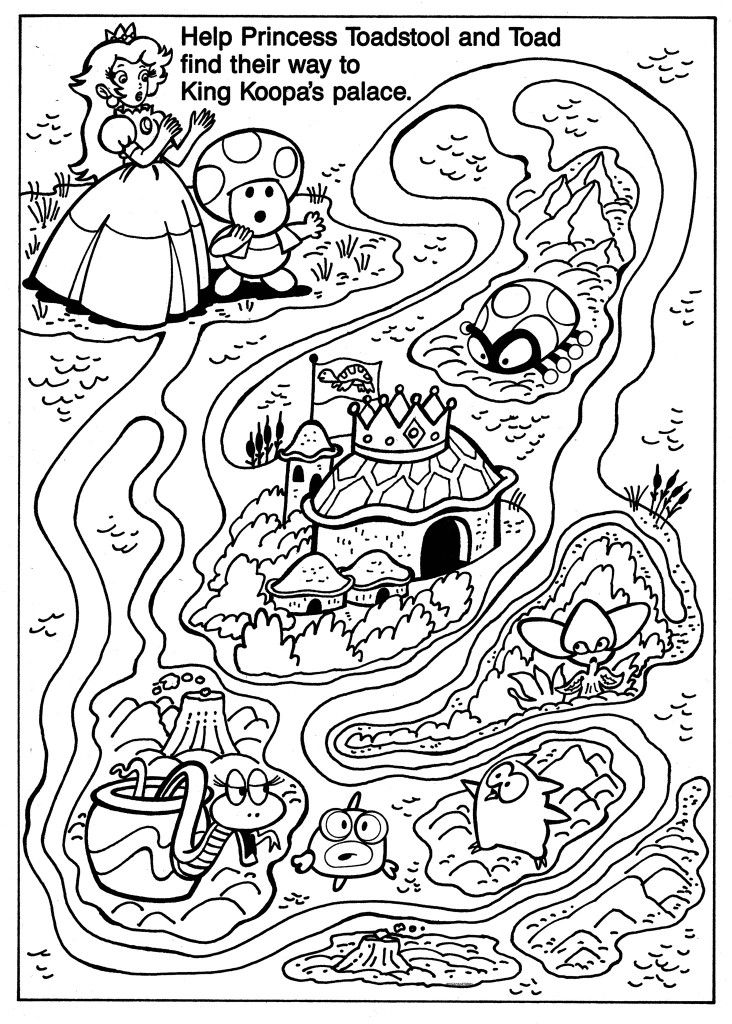
At its core, a mario obstacle course coloring page translates the kinetic energy of physical play into a static, two-dimensional format. Instead of jumping over real-life hurdles, children encounter illustrated representations of pipes, moving platforms, enemies, and question blocks arranged to form a winding path. The coloring aspect adds a layer of creative expression, allowing young artists to decide on color schemes for the iconic green pipes or the menacing red Koopa shells. This dual focus on navigation and art makes the page both a brain-teaser and a creative outlet.
Benefits for Child Development
Engaging with this specific type of printable offers significant developmental advantages that extend beyond entertainment. The act of following the intricate lines and pathways strengthens pencil control and refines fine motor skills, which are essential for writing proficiency. Furthermore, the process of choosing colors and deciding how to differentiate between various obstacles encourages problem-solving and cognitive flexibility. Children must also exercise concentration to complete the page without losing their place on the winding route.


Visual Elements and Thematic Design
Designers of a high-quality mario obstacle course coloring page pay close attention to visual storytelling. The layout typically mimics a side-scrolling level, featuring a start point and a clear finish line to provide context. Expect to see familiar imagery such as brick blocks, swinging vines, and descending firebars, all rendered in bold lines suitable for coloring. This familiarity immediately connects the activity to the excitement of the game world, instantly capturing a child's interest.
Utilizing Color Theory and Creativity
While traditional Mario imagery uses specific colors—green pipes, blue skies, and red enemies—the best coloring pages invite interpretation. A child might color the pipes purple and yellow, creating a unique course that defies the game's original palette. This freedom allows for self-expression and helps develop an understanding of color contrast and pattern recognition. The page becomes a canvas for imagination rather than a strict replication of the source material.


Practical Applications and Accessibility
Obtaining a mario obstacle course coloring page is remarkably simple, as these resources are widely available through online printables repositories and educational websites. They serve as an excellent tool for parents needing a moment of calm or teachers looking for a fun activity aligned with a gaming unit. The sheets are typically low-cost or free, requiring only a printer and basic art supplies to facilitate an engaging and screen-free hobby.
Integrating Activity with Learning
Educators can leverage these pages to extend learning beyond art time. Teachers might ask students to describe the path they see, fostering language and sequencing skills. Math concepts can be integrated by counting the obstacles or identifying shapes within the course design. This multi-disciplinary approach ensures that the time spent coloring contributes to overall academic growth, turning a simple pastime into a valuable lesson.




Related Articles

Free Coloring Page Mario and Luigi – Printable Fun for Kids
Coloring page Mario and Luigi offer an engaging way to bring the iconic Mushroom Kingdom to life with color. These printable sheets capture the beloved...

Free Daisy Super Mario Coloring Page For Kids – Printable Flower Power Fun
Children and adults alike find a unique form of creative expression in coloring, and the daisy super mario coloring page captures the nostalgic essence of a...

Super Mario Maker Coloring Page: Fun for Kids!
For parents and educators seeking engaging activities for children, Mario Maker coloring pages present a unique opportunity to blend digital creativity with...

Spooky Mushroom Mayhem: Free Halloween Mario Coloring Pages for Kids
Halloween Mario coloring pages present a delightful fusion of two beloved themes, offering a unique creative outlet for fans of all ages. This specific niche...

Free Mario and Princess Peach Coloring Pages for Kids
Explore the whimsical world of Nintendo with our curated collection of Mario and Princess Peach coloring pages. These printable sheets offer more than just a...

Mario Coin Coloring Page: Free Printable Fun for Kids
For parents and educators seeking engaging activities for children, the Mario coin coloring page offers a perfect blend of entertainment and creativity. These...