U V W Worksheet: Tracing, Writing, and Letter Sound Practice
Mastering the building blocks of literacy often begins with targeted practice on individual letters, and the letter u v w worksheet serves as an essential tool for this foundational work. These specific letters present unique challenges, from the distinct loop of the u to the elegant curves of the v and the dynamic double peaks of the w. Designed for young learners and anyone strengthening their core writing skills, these worksheets transform abstract shapes into tangible, traceable forms.
The Unique Challenges of U, V, and W
The lowercase letter u requires a smooth, downward stroke that dips to create a rounded base, a motion that differs significantly from straight-line formations. Conversely, the letter v demands a sharp, angular point at the bottom, requiring precise control to avoid a rounded or collapsed appearance. The letter w presents the most complex challenge, as it involves executing two consecutive peaks and valleys with consistent height, pressure, and spacing, making it a prime candidate for dedicated practice on a specialized worksheet.
Benefits of Focused Letter Practice
Utilizing a dedicated worksheet for these letters offers several distinct advantages for developing writers. It isolates specific motor skills, allowing a student to concentrate on the correct formation of each character without the distraction of an entire alphabet. This focused repetition builds muscle memory, which is critical for achieving automaticity and fluency in writing. Furthermore, a structured worksheet provides clear visual benchmarks for progress, turning a potentially abstract learning goal into a series of achievable steps.


Key Features of an Effective Worksheet
High-quality educational resources for the letter u v w worksheet share several key design elements that maximize their effectiveness. Look for worksheets that feature clear, appropriately sized models for tracing, ample space for independent replication, and directional arrows that indicate the precise stroke order. Visual cues, such as starting dots or color-coded segments, can further guide the hand and reinforce the correct sequence of movements.
| Letter | Stroke Order | Common Difficulty |
|---|---|---|
| u | Down, up, down | Creating a consistent curve |
| v | Down-left, down-right | Forming a sharp angle |
| w | Peak, valley, peak, valley, peak | Maintaining uniform height and spacing |
Integrating Worksheets into Learning Routines
For maximum impact, the letter u v w worksheet should be incorporated into a consistent and supportive learning environment. An educator or parent can begin by demonstrating the stroke order, emphasizing the rhythm and direction of each line. Guided practice, where the learner describes each step aloud, can strengthen the connection between visual recognition and physical execution. Short, frequent sessions are often more productive than infrequent, lengthy drills, preventing fatigue and fostering sustained engagement.


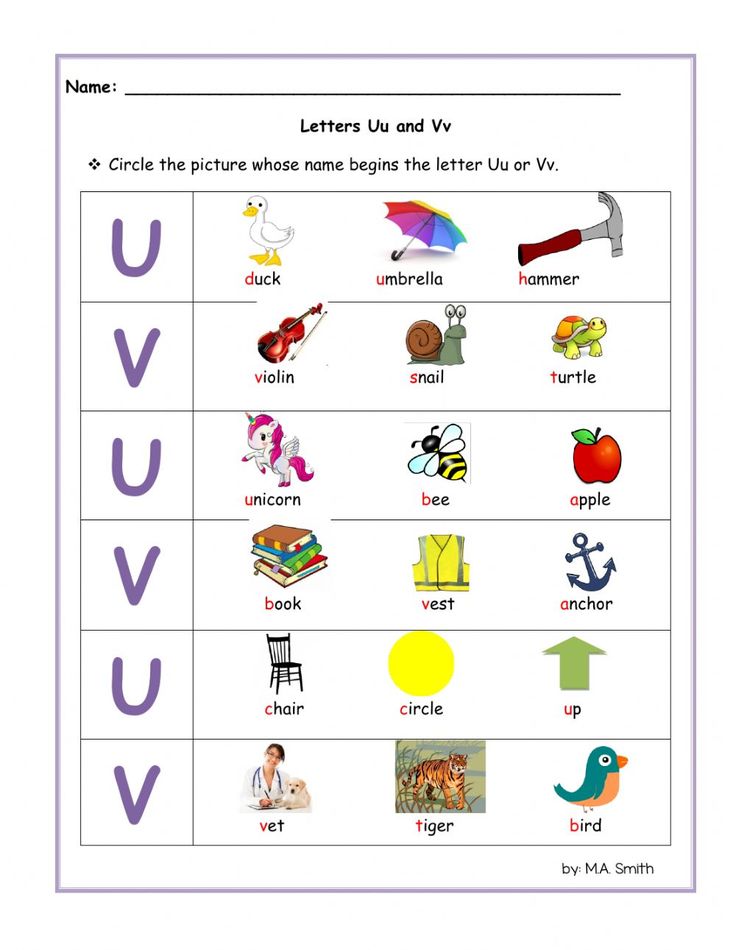
Beyond simple tracing, these worksheets can serve as a springboard for deeper phonetic and linguistic exploration. Once a student demonstrates proficiency in forming the letters, the focus can shift to their corresponding sounds, such as the long "u" and short "u" sounds. Activities that involve identifying words that begin with v or w, or sorting images based on their initial letter, transform a basic tracing exercise into a comprehensive literacy-building session.
Ultimately, the value of a dedicated letter u v w worksheet lies in its ability to provide structured, repetitive practice in a format that is both accessible and effective. By breaking down these specific letters into manageable components, learners can develop the confidence and technical skill necessary for fluent, legible handwriting. This foundational practice not only supports academic success but also fosters a deeper connection to the written word.


Related Articles

Letter D Writing Worksheet: Tracing and Recognition Practice
Mastering the foundational elements of written communication begins with the smallest details, and one of the most crucial steps is learning the specific...

Letter Small E Worksheet: Tracing, Writing & Phonics Practice
Mastering the foundational elements of written language often begins with a single, deceptively simple symbol. The letter small e worksheet serves as a...

Zany Z Practice Worksheet: Tracing, Writing, and Phonics Fun
Mastering the final letter of the alphabet is a significant milestone in early literacy, and a dedicated Z practice worksheet provides the structured...

Free Tracing Worksheet Printables for Kids – Pre-Writing Practice and Letter Formation
For educators and parents constantly seeking high-quality, no-cost educational tools, the search for a reliable tracing worksheet free resource is a common...

Letter W Tracing Worksheets for Kindergarten: Fun Writing Practice
Mastering letter formation is a foundational skill that sets the stage for confident reading and writing, and for many young learners, the journey begins with...

Free Letter B Dot Worksheet – Tracing & Coloring Practice for Kids
Parents and educators searching for effective resources to support early literacy development often encounter the search term "letter b dot worksheet free."...