Fun Learning Colors Cut and Paste Worksheets for Kids
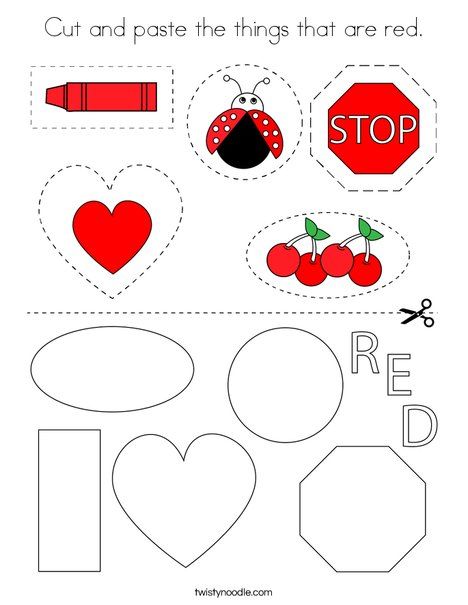
Learning colors cut and paste worksheets provide a foundational experience that bridges the gap between abstract color names and tangible objects. This multi-sensory activity requires children to identify a specific hue, locate it within a busy field of visuals, and then physically manipulate the piece to transfer it to a new location. By engaging both visual perception and fine motor skills simultaneously, this exercise creates a durable cognitive connection that supports early childhood development.
The Educational Benefits of Color Recognition
Color recognition is more than a milestone; it is a critical language skill that helps children categorize and navigate their world. Worksheets focusing on this concept allow young learners to expand their vocabulary in a concrete way, moving beyond simple memorization to genuine application. The act of cutting out a shape requires a child to verify the color visually, while pasting it demands spatial awareness and decision-making regarding layout and composition.
Developing Fine Motor Proficiency
The physical act of handling scissors and glue is essential for developing the small muscles in the hand and fingers. Learning colors cut and paste worksheets are designed to challenge a child’s dexterity by requiring precise snips along lines and controlled pinches to pick up small pieces. This repetitive action strengthens the hand muscles necessary for future tasks such as writing, tying shoelaces, and using utensils, making these worksheets a vital tool for pre-writing development.


Structuring the Learning Experience
Effective worksheets are structured to guide the child through a logical progression of difficulty. Initial pages might focus on primary colors with large, simple shapes, while advanced sheets introduce gradients, patterns, and the need to differentiate between similar shades like crimson and maroon. This scaffolding ensures that children are not overwhelmed but are instead consistently challenged at an appropriate level, fostering a sense of accomplishment with every completed page.
Integrating Creativity and Instruction
While the core task is identification, the final product of a cut and paste activity can be remarkably creative. Educators and parents can extend the learning by prompting the child to arrange the cutouts to tell a story or decorate a specific scene. For instance, a worksheet about the ocean might require the child to find and cut out various fish, which they then paste onto a pre-drawn sea background, transforming a drill into a personalized piece of art.


Utilizing Technology for Enhanced Learning
Modern iterations of these worksheets often incorporate digital elements to increase engagement. Interactive PDFs or tablet applications allow children to drag and drop virtual stickers, providing the same cognitive benefit without the physical mess. This digital format is particularly useful for travel or quiet time, offering a consistent educational experience that retains the fun of manipulating colorful images.
Tips for Maximizing the Learning Outcome
To get the most value from these resources, it is important to frame the activity correctly. Turning the worksheet into a game, such as racing to find the correct color before a timer goes off, can boost enthusiasm. Additionally, discussing the scene after the paste is complete—asking the child what they created or what the character might do next—encourages language development and critical thinking beyond the colors themselves.




Related Articles
Cut and Paste Toddler Worksheets: Fun Learning Activities for Kids
Cut and paste toddler worksheets represent a foundational element in early childhood education, bridging the gap between abstract learning and tangible...

Free Printable Letter C Worksheets For Kids – Fun ABC Learning
Parents and educators seeking effective resources for early literacy development often turn to free printable letter c worksheets. These tools provide a...

Fun Pre Nursery Maths Worksheets: Counting, Shapes & Colors Learning Activities
Establishing a strong mathematical foundation during the earliest days of schooling is a priority for parents and educators alike. For children in pre nursery...

Pinterest Perfect: Cut and Paste Worksheets for Easy Learning
Pinterest cut and paste worksheets represent a dynamic fusion of traditional learning methods and modern digital convenience, offering educators and parents a...

Free Preschool Worksheets PDF Free Download: Fun Learning Activities for Kids
Finding high-quality, ready-to-use educational materials for young learners can often feel like a daunting task for parents and educators. The search for...

Quadrilateral Cut and Paste Worksheets: Fun Shape Activities for Kids
Quadrilateral cut and paste worksheets represent a foundational tool in early geometry education, providing a tactile bridge between abstract shapes and...