Jesus Baptized Coloring Page – Free Printable Activity for Kids
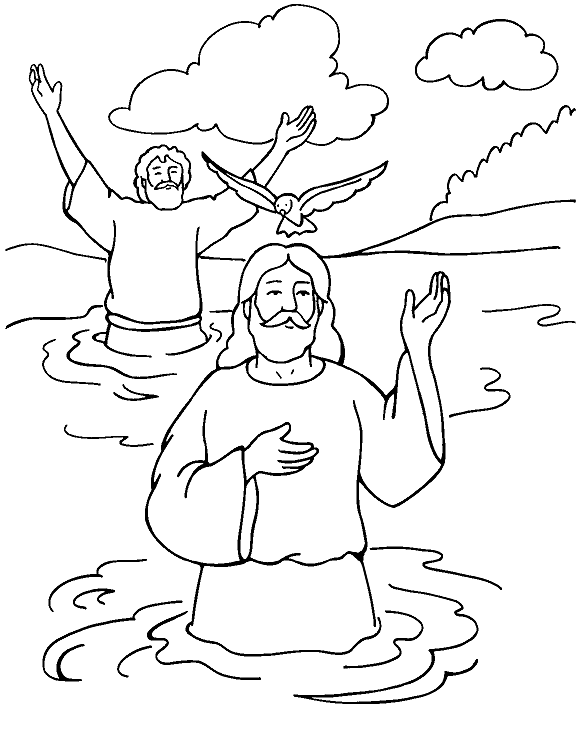
Engaging children with the foundational stories of faith is a timeless practice, and a Jesus baptized coloring page offers a perfect, hands-on way to explore this pivotal moment. This simple activity transforms the biblical account of Jesus' baptism in the Jordan River into an interactive lesson, allowing young minds to visualize and connect with the narrative. By providing a structured outline for the scene, these coloring pages invite creativity while reinforcing the spiritual significance of the event.
The Significance of Baptism in Christian Teachings
Baptism stands as a cornerstone sacrament across Christian denominations, symbolizing purification, rebirth, and public commitment to faith. For children, understanding this concept can be abstract, but a Jesus baptized coloring page serves as a tangible bridge. As they color the water, the figure of Jesus, and the surrounding landscape, they organically grasp the imagery of immersion and divine approval. This method aligns with educational best practices for religious instruction, making the theological accessible through art.
Key Elements of the Baptism Narrative
A well-designed Jesus baptized coloring page typically incorporates essential components of the Gospel accounts found in Matthew 3:13-17, Mark 1:9-11, and Luke 3:21-22. These elements include:


- Jesus standing in or near the Jordan River.
- The presence of John the Baptist, often depicted as a solemn figure in robes.
- A representation of the Holy Spirit, such as a dove, descending from the sky.
- A divine voice from heaven, sometimes shown with clouds and rays of light, declaring Jesus as the Son of God.
By including these specific symbols, the coloring page becomes more than just a picture; it becomes a focused study tool that highlights the theological weight of the event.
Educational and Developmental Benefits for Children
Beyond spiritual formation, using a Jesus baptized coloring page supports cognitive and motor skill development. The act of staying within the lines enhances pencil control, while choosing color palhetics for the sky, water, and clothing encourages decision-making and artistic expression. Furthermore, discussing the scene as they color opens avenues for meaningful dialogue between children and educators or parents. This facilitates a deeper retention of the story’s sequence and emotional tone, transforming passive listening into active engagement.


Integrating the Coloring Page into a Lesson Plan
To maximize the impact of this activity, it should be part of a broader instructional strategy. Here is an effective approach to structure the session:
| Step | Activity |
|---|---|
| 1 | Read the biblical passage aloud, focusing on sensory details (the sound of the river, the sight of the sky). |
| 2 | Introduce the coloring page and guide children’s attention to the key elements. |
| 3 | Allow time for coloring, encouraging quiet reflection or soft music in the background. |
| 4 | Facilitate a discussion about what the children notice and what the event means to them. |
This structured method ensures that the artistic activity is seamlessly woven into theological education, creating a holistic learning experience.
Accessibility and Versatility of the Resource
One of the greatest strengths of a Jesus baptized coloring page is its adaptability. It is a low-cost resource that requires minimal supplies—simply crayons, markers, or colored pencils. This makes it ideal for a wide range of settings, including Sunday school classrooms, Vacation Bible Schools, homeschool environments, and even family devotionals at home. Printable versions are readily available online, often free of charge, allowing for instant access and reproduction for group settings. This ease of use removes barriers to participation, ensuring that this powerful story can be shared with any child, regardless of logistical constraints.


Fostering a Personal Connection to Scripture
Coloring allows children to move beyond simply reading about Jesus to interacting with His story on a personal level. As they select colors for the robes of Jesus or the flowing water, they are subtly engaging in a form of imaginative participation. They might envision the coolness of the river or the brightness of the heavenly light. This active mental involvement cements the narrative in their memory, not as a distant historical event, but as a vivid story they helped to bring to life. The finished artwork becomes a personal testament to their understanding of this sacred moment, a piece they can share and explain with pride.




Related Articles
Jesus Baptized Coloring Page – Free Printable Activity for Kids
Engaging children with the foundational stories of faith is a priority for many parents and educators, and utilizing a Jesus being baptized coloring page...

Follow Jesus Coloring Page: Free Printable Devotional Activity For Kids
For parents and youth leaders seeking meaningful activities that blend faith and creativity, the follow jesus coloring page serves as a timeless resource...

Jesus and the Little Children Coloring Page – Free Printable Activity for Kids
Engaging with the timeless story of Jesus and the children offers a powerful way to connect with a foundational message of faith, and a Jesus and the little...

Jesus Donkey Coloring Page: Free Printable Advent Activity For Kids
Exploring the historical and spiritual significance of the Holy Family’s journey often leads to creative forms of expression, and the Jesus donkey coloring...
Jesus Baptized Coloring Page – Free Printable Sheets for Kids
Engaging children with the foundational stories of faith is one of the most rewarding tasks for parents and religious educators, and a Jesus getting baptized...
Jesus Baptism Coloring Page: Free Printable Scripture Activity
Engaging with the coloring page of Jesus being baptized offers a unique opportunity for reflection, education, and artistic expression. This specific subject...