Is Food Coloring Permanent? Safe, Washable & Long-Lasting Results
When you add a few drops of liquid color to a cake batter or a glass of milk, the immediate result often looks vivid and artificial. The question that follows is natural: is this change temporary, or does it become a permanent part of the material? Understanding the permanence of food coloring requires looking at the chemistry of the dye, the type of surface it contacts, and the methods used to remove it.
Water-Based vs. Oil-Based Dyes
The answer to whether food coloring is permanent begins with the specific product you are using. Water-based dyes, which are the standard in most grocery stores, are designed to stain porous surfaces rather than bond permanently to non-porous ones. These molecules are hydrophilic, meaning they cling to fibers and porous substrates like parchment paper or the porous surface of frosting. Conversely, oil-based or gel food coloring products contain a higher concentration of pigment suspended in oils and waxes. These types of dyes are far less water-soluble and are specifically engineered to adhere to fats, making them significantly more difficult to wash out of fabrics and non-porous surfaces.
The Behavior on Different Surfaces
The permanence of the stain is almost entirely dependent on what you are coloring. On porous materials like uncoated paper, cardboard, or fabric, water-based dyes can bleed deeply into the fibers, creating a stain that behaves like a traditional ink. On non-porous surfaces such as glass, metal, or sealed plastic, these same dyes usually sit on top and can be wiped away relatively easily once they dry. However, when these dyes are introduced to skin, especially the porous texture of the cuticles on fingers, they can bind tightly to the natural oils and dead skin cells, making the stain persist for days until the skin naturally exfoliates.


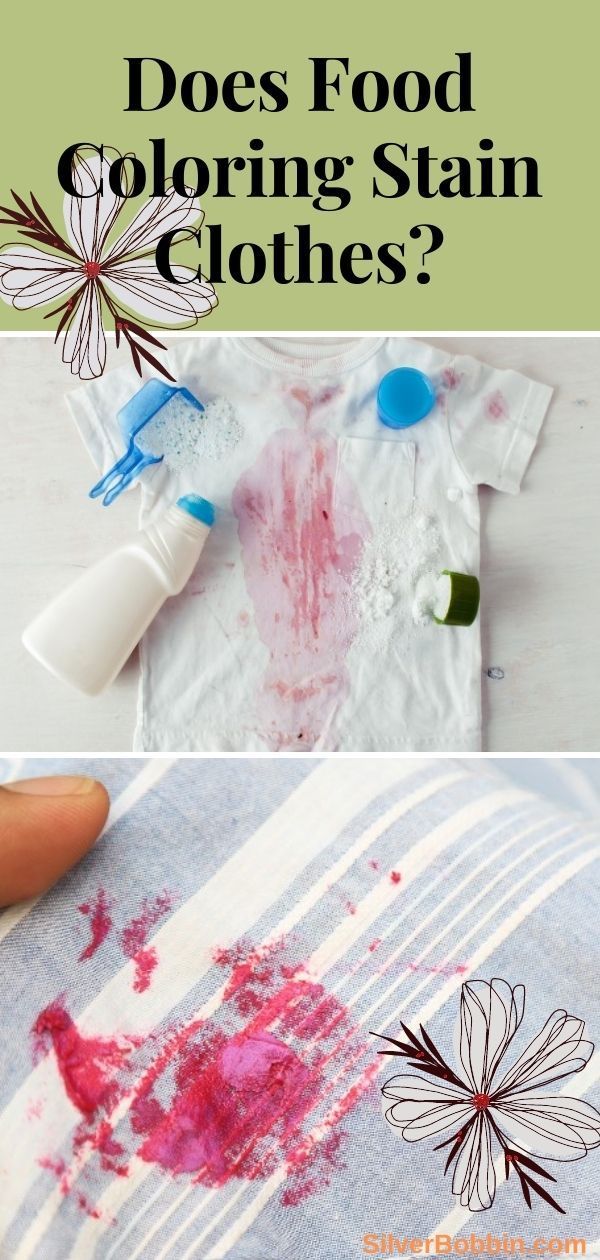
Fabric and Textile Staining
One of the most common concerns regarding permanence is the risk of ruining clothing or table linens. Natural fibers like cotton, linen, and wool have a porous, absorbent structure that readily soaks up water-based dyes. Once the dye molecules enter the fiber, they are trapped through a process similar to dyeing, making the color resistant to regular washing cycles. Synthetic fabrics like polyester or acrylic can be more resistant to staining because they are less absorbent, but the high concentration of pigment in liquid food coloring can still leave a lasting mark if the stain is set with heat.
- White cotton and linen are the most vulnerable to permanent staining.
- Synthetic blends may resist initial staining but can hold pigment if exposed to heat.
- Professional stain removers or bleaching agents are often required to fully restore the original color of the fabric.
Removal and Cleanup Strategies
Just because a substance leaves a color behind does not mean it is chemically permanent. Water-based food coloring can often be lifted from hard surfaces with a simple solution of soap and warm water, or a mild kitchen cleaner. For porous surfaces like concrete or unpainted wood, the process is more challenging; the dye may need to be extracted using a poultice or a specialized oxygen bleach solution rather than a standard surface cleaner. On skin, the dye will fade naturally within 24 to 72 hours, though scrubbing with soap, sugar, or salt can help accelerate the process by removing the upper layer of stained dead skin cells.


Prevention and Best Practices
The most effective way to manage the permanence of food coloring is to control the environment during application. When decorating cakes or handling colored dough, placing a sheet of parchment paper beneath the work area can catch any drips before they bond to the counter. Using gloves prevents the oils on your hands from gripping the pigment, reducing the likelihood of getting stubborn stains on your skin. If a spill occurs, immediate action is critical; blotting the wet dye with a clean cloth is far more effective than trying to scrub a dry, set stain later.
Summary of Permanence Factors
Whether the color washes away or becomes a lasting mark depends on a combination of variables: the chemical base of the dye, the material of the surface, and the timing of the cleanup. The following table summarizes the general permanence level based on common scenarios.
| Scenario | Permanence Level | Primary Reason |
|---|---|---|
| Spill on glass or metal | Low (Temporary) | Non-porous surface; dye sits on top. |
| Stain on white cotton fabric | High (Semi-Permanent) | Fiber absorption; dye trapped in weave. |
| Stain on plastic (unsealed) | Medium to High | Micro-pores can trap pigment molecules. |
| Stain on skin | Medium (Temporary) | Bonds with oils; fades with natural exfoliation. |
| Spill on parchment paper | Low (Temporary) | Designed to be non-stick and absorbent without bonding. |
Ultimately, treating food coloring as a temporary art supply rather than a permanent pigment will help manage expectations. While it can create vibrant, long-lasting results on certain materials if left untreated, understanding the science behind the stain allows for effective cleanup and confident usage in any culinary project.


Related Articles

Adding Food Coloring to Paint: Safe Tips & Colorful Results
The short answer to can you add food coloring to paint is yes, you absolutely can, but the success of this experiment depends entirely on the type of paint you...

The Ultimate Guide to Blue Food Coloring Ingredients: Safe, Natural & Synthetic Options
Blue food coloring transforms ordinary confections into visually stunning creations, but the ingredients behind that vibrant hue tell a complex story...

Can I Dye My Cat's Fur with Food Coloring? Safe Alternatives & Risks
Finding a new way to express your cat's personality or match their vibrant Halloween costume often leads to questionable ideas, and one of the most frequent...

Natural Food Coloring from Insects: Safe, Sustainable & Vibrant
Cochineal extract and carmine represent some of the most controversial yet historically significant ingredients in the global food supply, deriving their...

The Ultimate Food Coloring List: Vibrant Colors, Safe Baking
Understanding a food coloring list is essential for anyone interested in culinary arts, food science, or dietary management. These synthetic dyes, derived from...
Natural Food Coloring: Vibrant, Safe & Easy DIY Colorants
For chefs, home cooks, and food enthusiasts, the visual appeal of a dish is just as important as its flavor. Natural food coloring offers a vibrant, healthy...