Master the ABCs: Fun Identifying Letters of the Alphabet Worksheets for Kids
For educators and parents navigating the early stages of literacy development, identifying the letters of the alphabet worksheets represents a fundamental tool. These specific resources provide structured, repetitive practice that helps young learners connect the visual shape of a letter with its corresponding sound and name. Unlike generic tracing exercises, worksheets focused on identification often incorporate targeted activities designed to isolate and reinforce letter recognition skills.
The Core Purpose of Identification Worksheets
The primary goal of identifying the letters of the alphabet worksheets is to move a child from passive visual exposure to active letter discrimination. This involves distinguishing between visually similar characters, such as "b" and "d" or "p" and "q," which is a common hurdle in early reading. The worksheets create a low-stakes environment where students can practice isolating specific letters without the added complexity of writing full words or sentences.
Visual Discrimination and Pattern Recognition
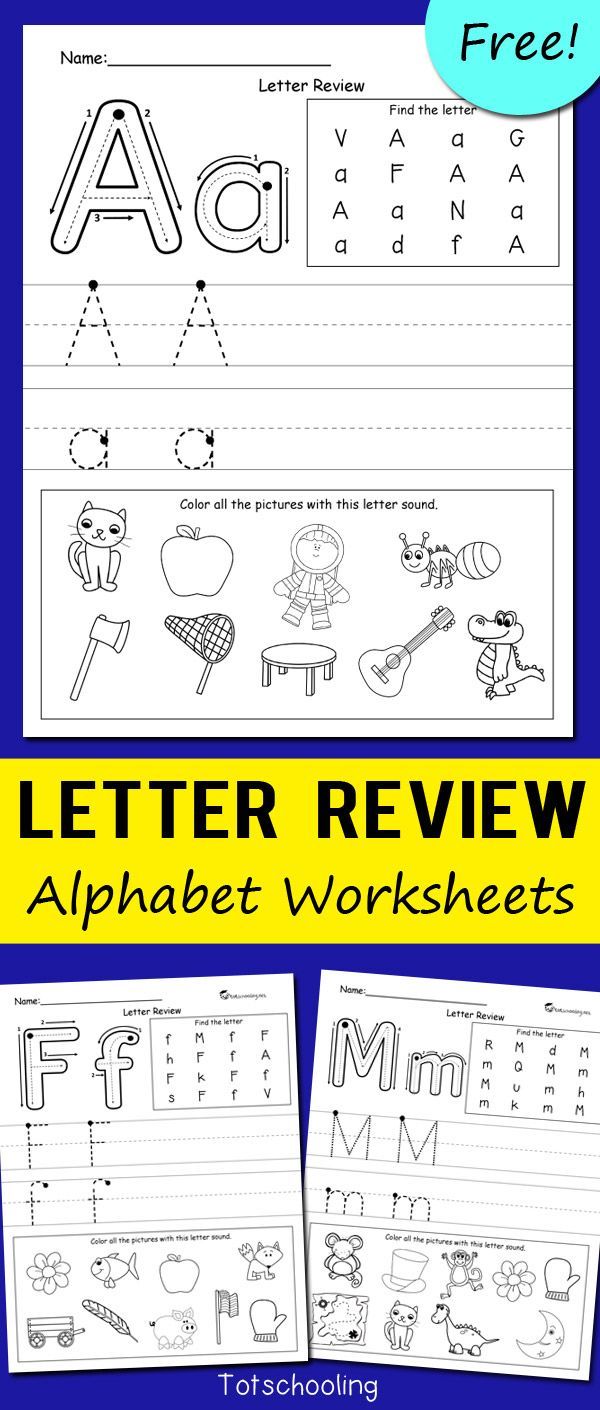
Effective identification worksheets are built on the science of visual discrimination. They often feature clusters of mixed letters where the learner must circle or color a specific target letter. This activity trains the eye to scan and differentiate subtle variations in shape, significantly strengthening the visual memory required for fluent reading. The repetitive nature of these exercises embeds letter shapes into long-term memory, making recall automatic during reading and writing tasks.


Variations in Design and Methodology
Not all identification worksheets are created equal, and understanding the different formats can maximize their effectiveness. Some worksheets focus solely on uppercase letters, while others concentrate on lowercase or a mixture of both. The design can vary from simple matching exercises, where a student lines up a letter to its identical twin, to more complex mazes where the path is determined by following a specific letter sequence.
- Uppercase vs. Lowercase Focus: Worksheets targeting one case help solidify foundational recognition before introducing the more complex forms of the other.
- Contextual Identification: Advanced sheets place letters within simple words or images, requiring students to identify the letter sound within a phonetic context rather than in isolation.
Interactive and Digital Formats
The evolution of learning tools has introduced digital versions of identifying the letters of the alphabet worksheets. These interactive platforms often provide immediate feedback, auditory reinforcement of the letter sound, and gamified elements that increase engagement. Digital tracing on a tablet, for example, can guide the hand-eye coordination needed to form the letter correctly, merging identification with initial writing skills.


Integrating Worksheets into a Holistic Learning Plan
While identifying the letters of the alphabet worksheets are powerful, they function best as part of a broader literacy strategy. Worksheets should complement, not replace, rich oral language experiences, storytelling, and exposure to high-quality literature. When a child encounters the target letter in a beloved storybook or hears it in a song, the abstract exercise on the paper becomes a concrete, meaningful connection.
Teachers and parents should view these worksheets as one component of a multi-sensory approach. Combining worksheet practice with physical activities, such as forming letters with clay or identifying letters in the environment during a walk, creates numerous neural pathways for learning. This holistic integration ensures that letter identification is not just a worksheet skill but a transferable, real-world competency.


Related Articles

Master the ABCs: Free Printable Letters of the Alphabet Worksheet for Kids
Creating an effective how to write letters of the alphabet worksheet requires a blend of pedagogical strategy and design precision. The goal is to move beyond...
Master the ABCs: Fun English Alphabet Writing Worksheets for Kids
Mastering the foundational elements of written communication begins long before a child forms their first sentence. The ability to recognize and reproduce the...

Alphabet Tracing Letters A-Z PDF Download – Fun Worksheets for Kids
Mastering the fundamentals of written language begins with the smallest details, and for young learners, that often starts with the humble alphabet. Our...

Alphabet for Kids: Learn Letters A to Z with Pratfall ABCs – Fun & Educational!
Teaching the alphabet for kids learn letters a to z with pratfall abcs is a foundational step in a child's educational journey. This method transforms a...
Master Letter A: Fun Identifying Worksheets for Kids
For educators and parents navigating the early stages of literacy, identifying letter A worksheets represent a foundational tool. These specific resources...

Free Printable Beginning Letters Worksheets: Tracing ABCs for Kids
Mastering the foundational elements of written language begins long before a child holds a pencil to compose full sentences. The worksheet for beginning...