Alphabet Adventure: Identify Letters of the Alphabet Worksheet Fun
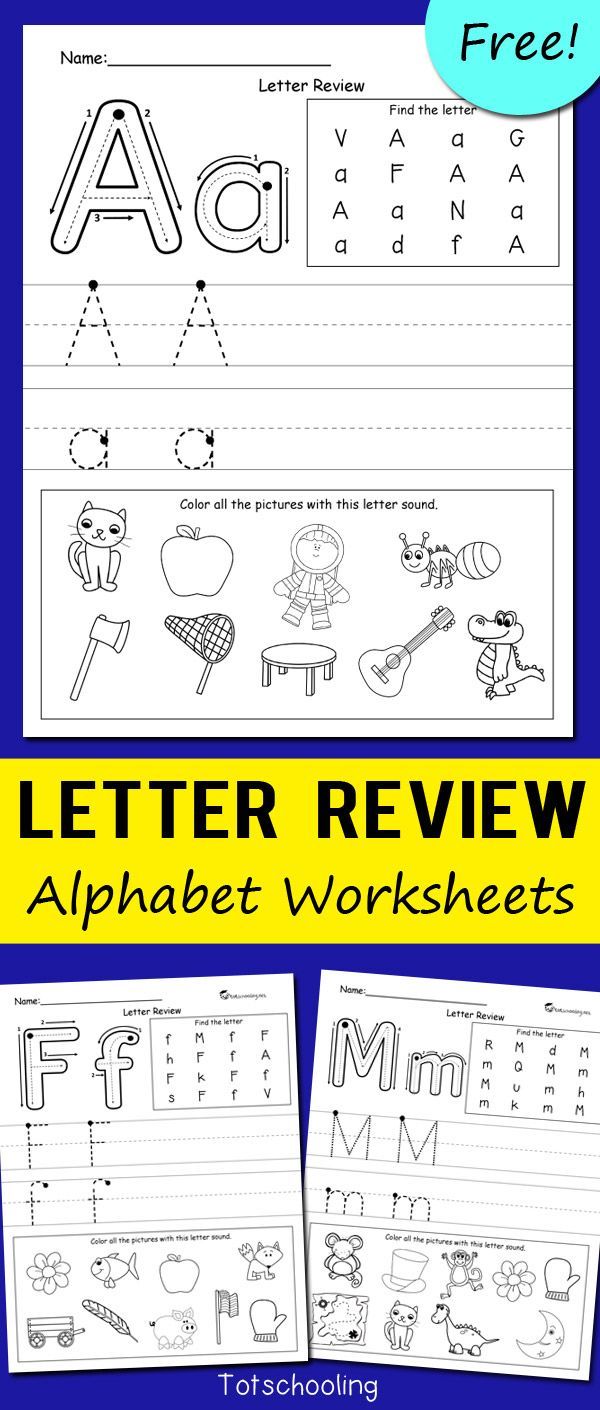
For educators and parents embarking on the foundational journey of early literacy, the identify letters of the alphabet worksheet serves as an indispensable tool. This specific educational resource is meticulously designed to move students beyond passive letter recognition, actively engaging them in the critical process of differentiating one character from another. Mastery of this skill is not merely an academic checkpoint; it is the bedrock upon which phonemic awareness, decoding abilities, and ultimately, fluent reading are constructed, making targeted practice essential for young learners.
Understanding the Purpose of Alphabet Identification
The core objective of any identify letters of the alphabet worksheet is to solidify visual discrimination. In the initial stages of literacy, letters such as "b" and "d" or "p" and "q" can appear remarkably similar, leading to confusion for developing readers. A high-quality worksheet provides a structured environment where students can isolate specific characters, compare their shapes, and refine their ability to distinguish subtle visual differences. This focused exercise strengthens the neural pathways responsible for letter recognition, which is a prerequisite for connecting those letters to their corresponding sounds.
Structural Components of Effective Worksheets
An effective worksheet typically employs a variety of formats to cater to different learning styles and reinforce the material through repetition. Common elements include rows of mixed-up letters where students circle the target letter, trace specific characters to build muscle memory, or match uppercase symbols with their lowercase counterparts. The integration of simple, familiar images—such as an apple for "A" or a ball for "B"—helps to anchor abstract symbols to concrete concepts, bridging the gap between visual form and phonetic sound in a memorable way.


Implementing Worksheets in the Learning Environment
When introducing an identify letters of the alphabet worksheet to a student or an entire classroom, the context of delivery is just as important as the content itself. Educators should utilize these sheets as part of a multi-sensory approach, encouraging students to verbalize the letter name and sound as they write or circle it. This combination of visual processing (seeing), auditory processing (hearing), and kinesthetic activity (writing) creates a robust learning experience that significantly improves long-term retention compared to passive observation alone.
Progression and Difficulty Scaling
To ensure continuous growth, worksheets should be implemented in a sequence that mirrors the natural progression of skill acquisition. Early versions might focus on isolated uppercase letters, providing ample space and clear examples. As proficiency increases, the difficulty can be scaled up by introducing mixed-case worksheets, incorporating letters in various fonts, or placing characters in the context of simple words. This gradual increase in complexity prevents cognitive overload and builds confidence as the student successfully navigates each new challenge.


Benefits for Diverse Learners
One of the significant advantages of this type of educational material is its versatility in supporting diverse learners. For students with dyslexia or other learning differences, worksheets that emphasize consistent letter formation and targeted identification can reduce anxiety by providing clear, step-by-step directives. Visual learners benefit from the structured layout, while kinesthetic learners can derive additional value from worksheets that incorporate tracing or cutting and pasting activities to sort letters, making the learning process inclusive and effective across different needs.
Supplementary Activities for Reinforcement
While the worksheet is a powerful standalone tool, its effectiveness is maximized when integrated into a broader literacy curriculum. Teachers and parents can transform a static sheet into an interactive game by using manipulatives like alphabet magnets or blocks to "build" the letters identified on the page. Furthermore, incorporating physical movement—such as having students find specific letters posted around the room—helps to burn the letter shapes into long-term memory, ensuring that identification becomes an automatic and effortless skill.
Ultimately, the identify letters of the alphabet worksheet is far more than a simple collection of exercises; it is a strategic instrument for cognitive development. By providing a clear, repetitive, and engaging framework for mastering letter differentiation, it empowers students with the confidence and fundamental skills necessary to unlock the entire world of written language. Consistent, thoughtful practice with these resources lays the groundwork for a lifelong proficiency in reading and communication.




Related Articles

Fun Hindi Alphabet Worksheets: Learn Hindi Letters Easily
Mastering the Hindi alphabet is the essential first step for anyone beginning their journey to learn the Hindi language. This foundational block dictates...

Alphabet Adventure: Free Printable Worksheets for Learning the Letters of the Alphabet
Mastering the alphabet is the foundational step in a child's educational journey, and effective tools are essential for this critical development. Learning the...

Identify Letter C Worksheet: Fun Alphabet Activities for Kids
Mastering the foundational elements of literacy often begins with the simplest of tasks, and identifying the letter c worksheet serves as a prime example of...

Identify Letter N Worksheet: Free Printables for Learning the Alphabet
Mastering the foundational elements of language is a journey that begins with recognizing the individual pieces that form our words. For young learners and...

Master the Alphabet of Lines: Free Worksheet with Answers PDF
An alphabet of lines worksheet with answers PDF serves as a foundational resource for students learning the essential grammar of visual communication. This...

Tamil Letters Tracing Worksheet: Free Printable Practice for Kids
Mastering the foundational elements of language is a journey that begins with the smallest details, and for children embarking on the path of reading and...