How to Color Dog Man: Step-by-Step Guide
For anyone looking to bring the beloved character Dog Man to life with color, the process requires more than just grabbing a handful of crayons. Achieving the right look involves understanding the character's design principles, selecting a coherent palette, and applying the techniques used in professional comics and animation. This guide provides a detailed walkthrough for fans and aspiring artists, from the foundational sketch to the final vibrant touches.
Deconstructing the Source Design
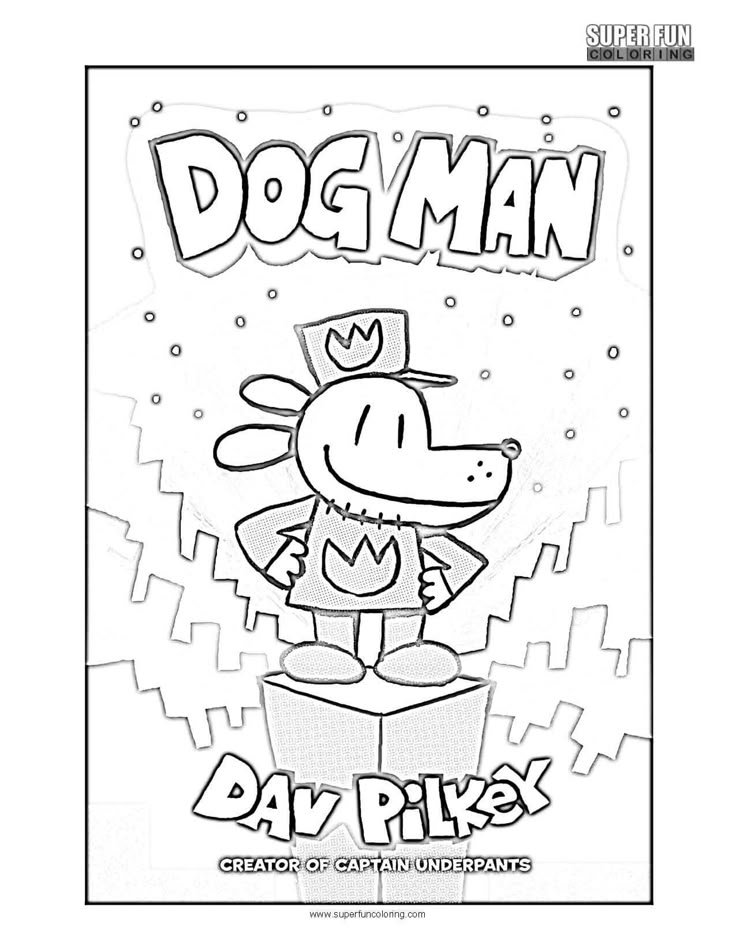
Before applying a single color, it is essential to analyze the original art style of Dog Man. The character exists in a world of simple shapes and bold lines, which dictates how color should be used to define form. Unlike realistic art, comic book color relies on flat areas of color to create volume and readability, making the process both accessible and dynamic.
The Role of Line Art
Dog Man’s distinct appearance is defined by thick, black outlines. These lines are not just boundaries; they are structural tools that separate color regions and prevent the image from appearing muddy. When coloring digitally or by hand, it is generally best to work on a layer behind the line art. This ensures the crisp, clean edges that make the character instantly recognizable, allowing the color to sit cleanly within the established drawing.


Building a Cohesive Palette
Color psychology plays a vital role in conveying the personality of the character. Dog Man is a heroic figure, and his palette should reflect his status as a disciplined officer of the law while incorporating the humor of the series. A well-chosen palette ensures that the artwork feels unified and intentional rather than chaotic.
| Color | Usage | Psychological Effect |
|---|---|---|
| Blue | Police uniform | Trust, Loyalty, Calm |
| Red | Badge, Cape, Accessories | Power, Energy, Action |
| Brown/Grey | Snout, Ears, Body | Reliability, Earthiness, Stability |
| White | Fur highlights, Eyes | Purity, Clarity, Light |
Shadows and Highlights
To move beyond a flat, cartoonish look, artists must consider light and shadow. Even with bold colors, the drawing will appear two-dimensional without depth. A simple technique is to choose a light source (usually top-left) and add slightly darker tones to the sides of the body and head, while leaving the center and forward-facing planes lighter. This creates a three-dimensional effect that brings the drawing off the page.


Application Techniques
The method of application largely depends on the medium, but the principles remain consistent. For digital art, layers are indispensable. For traditional mediums like markers or colored pencils, planning is key to avoid smudging and color contamination.
- Digital Layering: Create separate layers for base color, shadows, and highlights. This allows for adjustments without altering the line art.
- Blending: Whether using oils, markers, or digital brushes, blending is crucial for creating smooth gradients, particularly on the snout and ears where color transitions naturally.
- Texture: While Dog Man is often rendered relatively flat, adding subtle textures—such as the roughness of police fabric or the softness of fur—adds realism and interest to the final piece.
Finishing Touches
Once the main colors and shading are complete, the final step involves refining the details that make the character pop. This includes ensuring the eyes are bright and expressive, as they are the windows to emotion, and verifying that the costume elements like the badge and collar are crisp and accurately placed.
Ultimately, coloring Dog Man is about balancing strict adherence to the source material with personal artistic flair. By respecting the bold lines, utilizing a strong primary color scheme, and focusing on light and shadow, anyone can transform a simple sketch into a vibrant tribute to this iconic character.




Related Articles

How to Color PDF Pages: Easy Step-by-Step Guide
Coloring PDF pages has become a popular activity for both personal relaxation and professional design work. Whether you are a parent creating custom coloring...

How to Print in Color in Google Sheets: Easy Step-by-Step Guide
Printing in color from Google Sheets is a straightforward process once you understand the specific settings within the platform. While the interface shares...

Color a Page in Google Docs: Easy Step-by-Step Guide
Mastering the fundamentals of document formatting is essential for producing professional and visually engaging content in Google Docs. While text editing is...

How to Color a Crocodile: Step-by-Step Guide & Fun Art Tips
Coloring a crocodile requires a blend of artistic technique and an understanding of the animal’s natural biology. While you may never encounter a real-life...

How to Change Paper Background Color in Google Docs: Step-by-Step Guide
Customizing the look of your documents can significantly impact readability and workflow, especially when dealing with long-form content or creating materials...

How to Color Godzilla: Step-by-Step Guide to Kaiju Art
For artists and fans looking to capture the primal power of the King of the Monsters, understanding how to color Godzilla is about more than just slapping on...